




What's Happening?
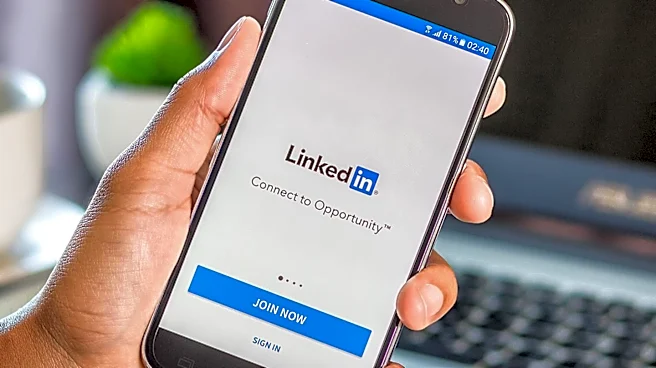
LinkedIn, primarily known as a professional networking site, is increasingly being used by individuals for romantic purposes, according to recent reports. A survey conducted by Zety indicates that approximately a quarter of workers find it acceptable
to seek romance on LinkedIn, with nearly one in five admitting to sending or responding to messages with dating in mind. This trend is more prevalent among younger generations, with about 30% of millennials and Gen Z stating they are more likely to use LinkedIn to vet potential partners, compared to 19% of Gen X and 6% of baby boomers. Users are reportedly experiencing fatigue with traditional swipe-based dating apps and are turning to LinkedIn to find partners who exhibit stability, shared ambitions, and authenticity, qualities often highlighted in professional profiles. Despite LinkedIn's official rules prohibiting romantic overtures and the company's stated priority of protecting users from unwanted advances, success stories of relationships forming through the platform have emerged.
Why It's Important?
This shift in user behavior on LinkedIn highlights a broader evolution in how individuals perceive and utilize digital platforms. The platform's professional context, which emphasizes career achievements and shared ambitions, is inadvertently creating an environment where users feel they can assess compatibility beyond superficial appearances. This trend could impact LinkedIn's brand identity, potentially blurring the lines between professional networking and personal dating. For users, it offers an alternative avenue for finding partners, particularly for those seeking individuals with established careers and shared professional values. However, it also presents challenges for LinkedIn in maintaining its intended professional environment and enforcing its policies against romantic solicitations. The increased use for dating could lead to more unwanted advances, requiring the platform to enhance its moderation and user protection mechanisms to prevent a decline in its professional utility.
What's Next?
As more users leverage LinkedIn for romantic connections, the platform may face increased pressure to address this evolving usage. LinkedIn's current stance prohibits romantic approaches, and a spokesperson has emphasized the company's commitment to shielding users from unwanted advances. It is likely that LinkedIn will continue to monitor user behavior and may need to implement more robust measures to enforce its policies, potentially through enhanced reporting tools or stricter content moderation. Dating coaches advise users to maintain a professional tone in initial messages, suggesting that the platform's professional nature will likely persist as the primary mode of interaction, even if underlying intentions are romantic. The generational divide in acceptance of LinkedIn for dating suggests that future platform developments might need to consider the varying expectations of its diverse user base.
Beyond the Headlines
The phenomenon of LinkedIn becoming a de facto dating platform reflects a deeper societal trend where the boundaries between professional and personal lives are increasingly blurred in the digital age. The desire for authenticity and shared values, often showcased through professional profiles, is driving users to unconventional platforms for romantic pursuits. This raises ethical questions about the appropriate use of professional networking sites and the potential for misinterpretation of intentions. While some find success, others may experience discomfort or harassment, highlighting the need for clear communication and respect for platform guidelines. The trend also underscores the limitations of platform design in dictating user behavior, as individuals adapt tools to meet their evolving social needs, often in ways unintended by their creators. This could lead to a re-evaluation of how digital platforms define and enforce their intended use cases.