








What's Happening?
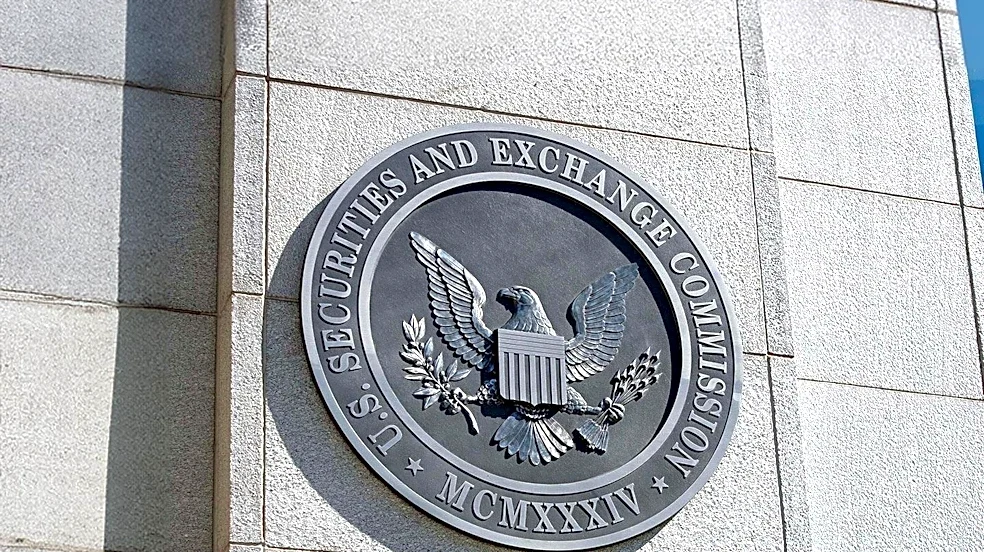
The U.S. Securities and Exchange Commission (SEC) has proposed rescinding Rule 206(4)-5 under the Investment Advisers Act of 1940, commonly known as the 'pay-to-play' rule, along with related recordkeeping requirements. This rule, adopted in 2010, aimed
to prevent political contributions from influencing decisions by state or local governments to hire or retain investment advisers, particularly for public pension plans. The SEC's rationale for the proposed rescission, after more than 15 years, is that the rule is overly rigid and has led to unintended consequences. For example, a small contribution of $150 can trigger a two-year fee ban, regardless of actual impropriety, and the process for seeking relief is slow and costly. The SEC also found the rule difficult to apply due to confusion over who qualifies as a 'covered official' or 'associate,' and that it discourages ordinary political participation, with approximately 12% of surveyed advisers banning all employee contributions. Additionally, the rule complicates hiring processes, as a new employee's past contributions could lead to penalties, and can limit the choice of managers for pension plans. Chairman Paul S. Atkins described the rule as 'overly prescriptive,' while Commissioner Mark Uyeda noted that enforcement rarely uncovered actual corruption. Commissioner Hester Peirce framed the proposed change as a measure to protect political speech.
Why It's Important?
The potential rescission of the SEC's pay-to-play rule carries significant implications for the financial industry, particularly for investment advisers and public pension funds. While the SEC asserts that existing anti-fraud and fiduciary provisions of the Advisers Act (Sections 206(1), (2), and (4)) would continue to deter corrupt practices, the absence of a uniform federal standard could lead to a more fragmented regulatory landscape. Institutional investors, including public pension funds, have historically relied on Rule 206(4)-5 as a consistent federal safeguard when selecting managers. Without it, the burden of due diligence and contracting will largely shift to these investors, requiring them to evaluate the substance of each manager's compliance program, which may vary significantly. This shift could be particularly impactful for exempt reporting advisers, such as many venture and emerging managers, who are not mandated to maintain formal compliance programs or codes of ethics, potentially increasing the risk of undetected misconduct. The proposal also highlights a tension between federal oversight and state-level regulations, as many states have their own, often stricter, pay-to-play restrictions that would remain in effect, creating a complex compliance environment for firms operating across different jurisdictions.
What's Next?
The proposed rescission does not immediately alter current law, meaning investment managers should continue to adhere to existing pre-clearance, lookback diligence, and recordkeeping requirements until any final rescission is effective. The proposal has faced opposition, necessitating the SEC to build a robust rulemaking record to justify the rule's removal and address concerns about potential corruption risks. If rescinded, the SEC plans to rely on existing requirements such as the Compliance Rule (206(4)-7), the Code of Ethics Rule (204A-1), and the Books and Records Rule (204-2) to prevent pay-to-play abuses. However, the proposal does not affect related regulations like Municipal Securities Rulemaking Board (MSRB) Rule G-37, Exchange Act Rule 15Fh-6, and Financial Industry Regulatory Authority (FINRA) Rule 2030, meaning placement agents and other financial intermediaries may still be subject to pay-to-play restrictions. Alternative asset managers will need to review their contractual commitments, state-level obligations, and investor diligence processes. Institutional investors will likely need to update their due diligence questionnaires, strengthen contractual certifications, and demand ongoing disclosure of political contributions and placement agent arrangements. Comments on the proposal are due by November 9, with managers encouraged to focus on transition relief and the interaction with other rules, and institutional investors on the impact on public plan beneficiaries.