







What's Happening?
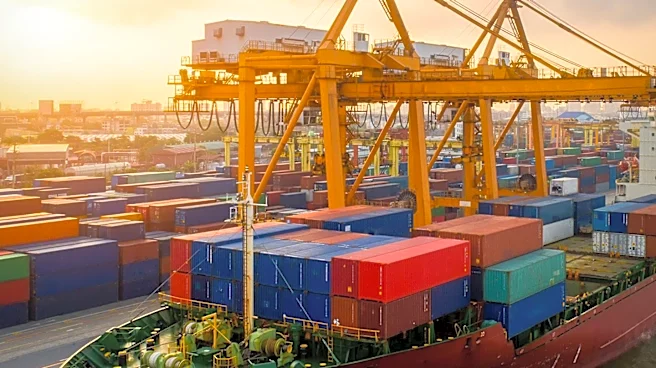
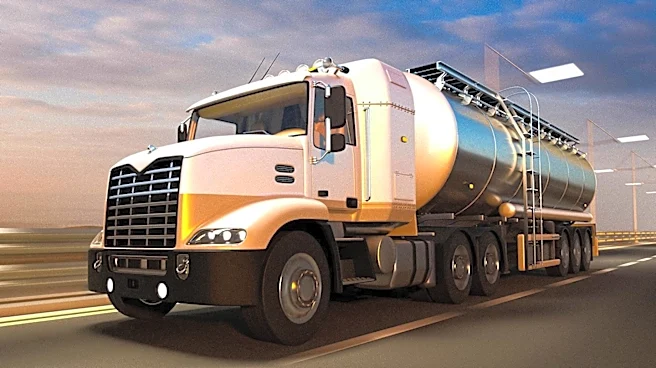
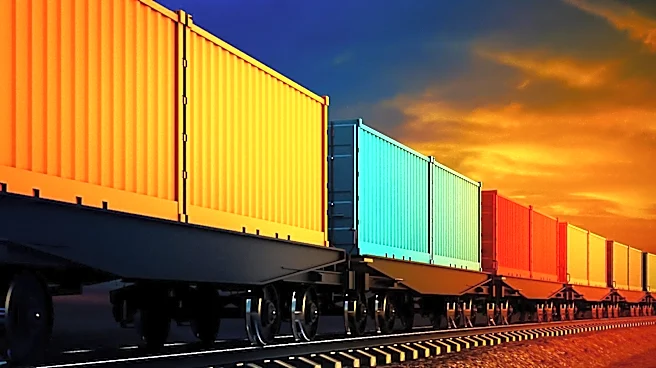
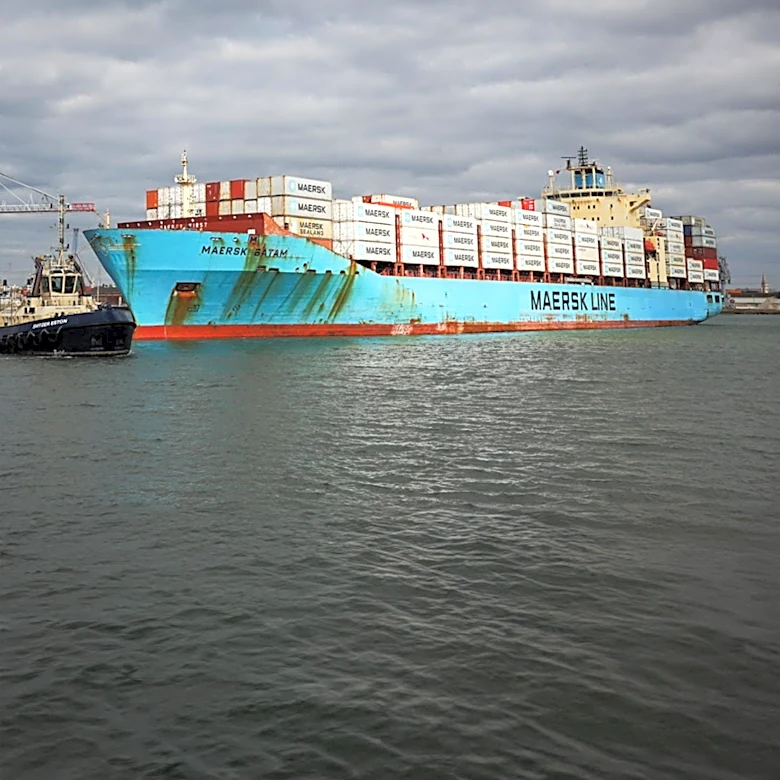
The Intermodal Association of North America (IANA) reported a 4.4% annual increase in intermodal freight volumes for May, totaling 1,618,761 units. This growth follows a slight decline in April. The increase was driven by a 7.9% rise in trailer volumes and
an 8.6% gain in domestic containers. However, international containers saw only a marginal increase of 0.4%. The report highlights a shift in the intermodal mix, with domestic freight gaining a larger share due to factors such as fuel price increases and tariff impacts.
Why It's Important?
The rise in intermodal volumes indicates a shift in freight transportation dynamics, with domestic intermodal gaining prominence over international shipments. This trend is influenced by external factors such as fuel price fluctuations and tariff policies, which have prompted a modal shift from long-haul trucking to intermodal solutions. The increase in domestic manufacturing, supported by government incentives, further boosts domestic intermodal demand. This shift could lead to long-term changes in the logistics industry, affecting stakeholders such as freight companies, manufacturers, and policymakers.
What's Next?
As domestic intermodal continues to gain traction, industry stakeholders will likely focus on optimizing logistics networks to accommodate the growing demand. The impact of government policies and economic conditions on freight transportation will be closely monitored. Companies may invest in infrastructure and technology to enhance intermodal efficiency and competitiveness. The ongoing developments in domestic manufacturing and regulatory changes will also play a crucial role in shaping the future of intermodal freight transportation.