






What's Happening?
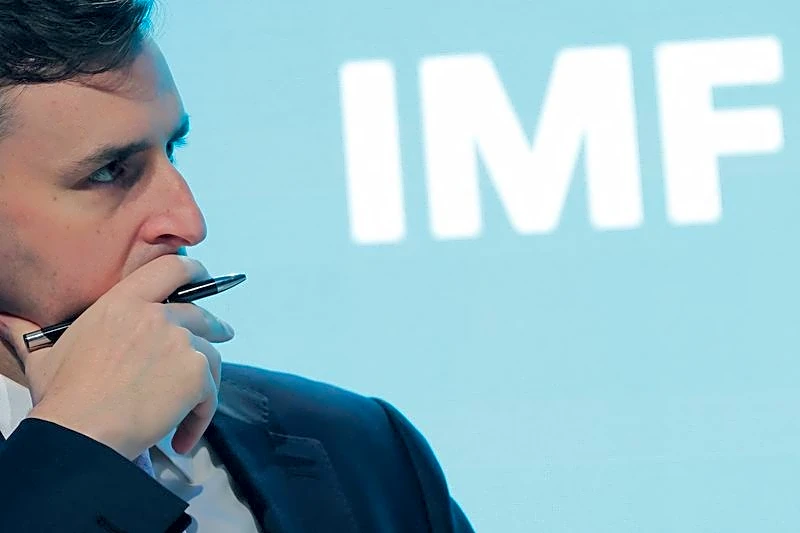
The International Monetary Fund (IMF) has called on Pakistan to expand its fiscal policy objectives beyond merely achieving primary balance targets and protecting debt sustainability. During a workshop on 'Reforms for a Modern and Growth-Friendly Tax
System in Pakistan,' IMF Middle East and Central Asia Department Director Jihad Azour emphasized the need for Pakistan to reinforce policy credibility, foster economic recovery, and create fiscal space for public investment and social spending. This broader approach, according to Azour, is essential for supporting stronger long-term growth. He highlighted tax reform as a critical component of Pakistan's economic growth agenda and central to the objectives of the Extended Fund Facility (EFF) program.
Why It's Important?
This IMF directive is significant for Pakistan's economic future and has implications for international financial stability. By urging a shift from narrow fiscal targets to a more holistic approach, the IMF is pushing for structural reforms that can lead to sustainable economic development rather than just short-term stabilization. For the U.S., which has a vested interest in global economic stability and counter-terrorism efforts, a stronger and more stable Pakistan is beneficial. The emphasis on tax reform, including broadening the tax base and improving revenue administration, is crucial for Pakistan to generate domestic resources, reduce reliance on external aid, and fund essential public services. This approach aims to mitigate economic distortions that hinder investment and job creation, ultimately fostering a more competitive and inclusive economy. The success of these reforms could serve as a model for other developing nations facing similar fiscal challenges.
What's Next?
Pakistan is expected to continue its efforts in implementing transformative reforms, with tax reform at the forefront. The government will likely focus on broadening the tax base, strengthening revenue administration, and reducing tax expenditures to improve fiscal sustainability. The IMF will remain committed to supporting Pakistan in building an economy capable of delivering higher productivity and creating better opportunities for its younger generations. The highly uncertain external environment, as noted by Azour, makes these objectives even more urgent. Pakistan's progress in moving beyond cycles of adjustment towards more durable growth will be closely monitored by the IMF and international investors. The ongoing collaboration between Pakistan's Ministry of Finance and Revenue and the IMF will be crucial in shaping the country's economic trajectory.
Beyond the Headlines
The IMF's call for Pakistan to move beyond fiscal targets highlights a deeper philosophical shift in international development policy, emphasizing long-term growth and social welfare alongside financial stability. This approach acknowledges that purely austerity-driven measures can have adverse social and political consequences, potentially undermining the very stability they aim to achieve. The focus on creating space for public investment and social spending reflects a recognition that human capital development and infrastructure are vital for sustainable growth. Furthermore, the emphasis on policy credibility and a fairer tax system touches upon issues of governance and public trust, which are fundamental to a well-functioning economy. This broader perspective suggests that economic reforms are not just about numbers but also about building resilient institutions and fostering inclusive societies, which can have profound implications for regional stability and global development efforts.