



What's Happening?
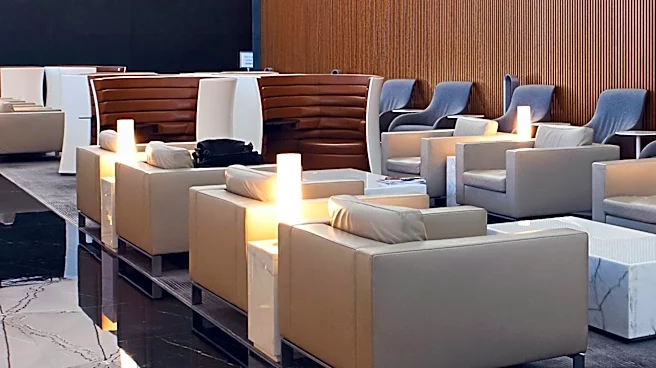
Airport lounges are increasingly providing a wide array of amenities that extend far beyond standard offerings like drinks, snacks, and Wi-Fi. Travelers can now find facilities such as shower rooms, private sleep suites, and reservable conference rooms.
Some lounges, like the Centurion Lounge at Philadelphia International Airport, feature showers, while certain American Airlines Admirals Clubs and Executive Centers offer conference rooms with equipment for meetings. Additionally, some lounge access cards, such as the Chase Sapphire Reserve, allow eligible cardholders to bring guests free of charge into participating lounges. Other notable perks include spa treatments through some Priority Pass memberships, chef-designed menus at select American Express Centurion Lounge locations, and even food delivery to seats at places like the Chase Sapphire Lounge in Las Vegas. Family and kids' rooms, nursing rooms, and game rooms are also becoming more common, as seen in the Chase Sapphire Lounge in Philadelphia and LaGuardia. These enhanced services aim to improve the travel experience, offering comfort and convenience that cater to various traveler needs, from business to leisure.
Why It's Important?
The expansion of airport lounge amenities signifies a significant shift in the travel industry's approach to passenger experience, particularly for frequent flyers and premium cardholders. For U.S. travelers, these enhanced perks can transform layovers and waiting times into productive or relaxing periods, reducing the stress often associated with air travel. Businesses stand to gain from the availability of conference rooms and quiet workspaces, allowing employees to remain productive while on the go. Airlines and credit card companies benefit by offering more compelling incentives for their loyalty programs and premium cards, fostering customer retention and attracting new clientele. The availability of family-friendly facilities also makes air travel more accessible and less daunting for parents traveling with children. This trend reflects a competitive landscape where providing superior comfort and convenience is crucial for attracting and retaining high-value customers, ultimately influencing travel choices and loyalty within the U.S. market.
What's Next?
As competition among airlines and credit card companies intensifies, the trend of expanding airport lounge amenities is likely to continue. Travelers can anticipate further innovations in lounge services, potentially including more personalized experiences, advanced technological integrations, and partnerships with local businesses to offer unique cultural or wellness activities. Credit card issuers may refine their lounge access policies, possibly introducing new tiers or benefits to differentiate their offerings. Airlines might also invest more in their proprietary lounges, focusing on unique regional experiences or specialized services tailored to their passenger demographics. The emphasis will likely remain on creating a seamless and luxurious travel experience, pushing the boundaries of what is traditionally expected from an airport lounge. Travelers should continue to check specific lounge details before their trips, as amenities and access rules are subject to change and vary significantly by location and membership type.
Beyond the Headlines
The evolution of airport lounge services points to a broader societal trend where premium experiences are increasingly sought after, even in traditionally utilitarian environments like airports. This development highlights the growing importance of comfort, productivity, and personalized service in modern travel. Ethically, it raises questions about equitable access, as many of these enhanced perks are tied to premium credit cards or elite airline statuses, potentially widening the gap between different classes of travelers. Culturally, these lounges are becoming more than just waiting areas; they are transforming into extensions of luxury hotels or private clubs, offering a curated environment that caters to specific lifestyle expectations. This shift could influence airport design and urban planning, as airports strive to become destinations in themselves, offering a range of services that go beyond transportation. The long-term implication is a redefinition of the travel experience, where the journey itself, including time spent at the airport, becomes an integral part of the overall luxury or convenience package.