





What's Happening?
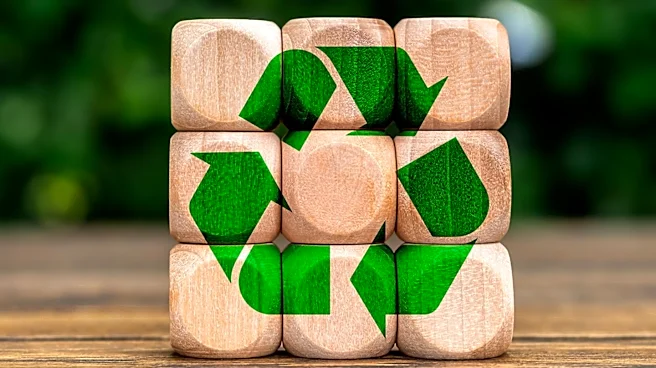
The rubber industry is being called to transition from a linear business model to a circular regenerative economy. This shift involves restoring resources and designing out waste to ensure long-term competitiveness and sustainability. The industry faces
pressure to decarbonize and conserve resources, with major tyre manufacturers facing science-based targets and scrutiny over deforestation. The circular regenerative economy model emphasizes restoring ecosystems, sequestering carbon, and designing waste out from the start. Pilot projects in agroforestry and chemical devulcanization are already underway, but the industry needs a coordinated strategy to fully embrace this transition.
Why It's Important?
The transition to a circular regenerative economy is crucial for the rubber industry to remain competitive and sustainable in the face of increasing regulatory pressures and resource volatility. By adopting regenerative practices, the industry can reduce its environmental impact, improve resource efficiency, and create new economic opportunities. This shift could also lead to innovations in product design and business models, such as selling services instead of products. Embracing this change is not only beneficial for the environment but also for the industry's long-term viability and reputation.