





What's Happening?
AEP is actively recruiting for a Welder 2nd Class position in South Charleston, West Virginia, indicating a continued demand for skilled trades in critical infrastructure maintenance. This entry-level role requires individuals to perform semi-skilled
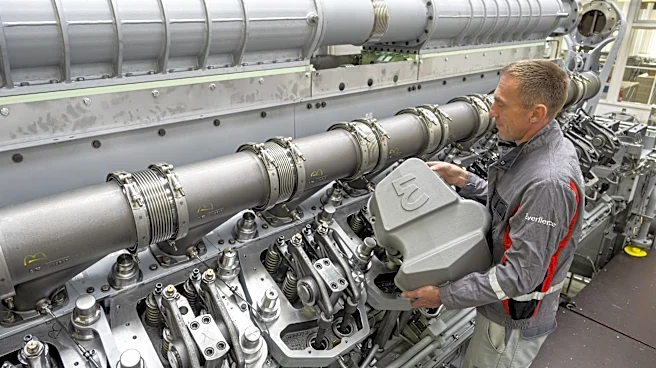
work in inspecting, repairing, rebuilding, and assembling equipment, particularly large power plant components such as turbines, fans, valves, and pumps. The job description specifies proficiency in various welding techniques, including manual metal arc, tungsten inert gas (TIG), gas metal arc, and oxyacetylene welding, as well as the safe operation of submerged arc welding equipment. Candidates are expected to have at least three years of experience in the welding field, a basic understanding of welding concepts, and the ability to obtain 'R' stamp certification within one year of hiring. This opening underscores the ongoing need for specialized technical skills within the energy sector.
Why It's Important?
The recruitment for a Welder 2nd Class by AEP highlights the critical role of skilled trades in maintaining essential infrastructure, particularly within the energy industry. The demand for such specialized roles ensures the reliable operation of power plants and other vital facilities, directly impacting energy supply and economic stability. A shortage of skilled workers in these areas could lead to operational inefficiencies, increased maintenance costs, and potential disruptions in service. For the U.S. workforce, this opening represents an opportunity for individuals with specific technical expertise to secure stable employment with competitive compensation and comprehensive benefits. It also emphasizes the importance of vocational training and experience in fields that are foundational to the nation's industrial backbone, contributing to local economies and national energy security.
What's Next?
AEP's recruitment process for the Welder 2nd Class position involves several steps, including an online pre-employment assessment and a physical abilities assessment. Successful candidates will be expected to demonstrate the required skills and abilities or show satisfactory progression towards them during a probationary period, in addition to obtaining 'R' stamp certification within one year. This structured approach ensures that new hires meet the rigorous standards necessary for maintaining critical power plant components. The ongoing need for such skilled positions suggests that companies like AEP will continue to invest in training and development programs to cultivate a qualified workforce. Future trends may include increased collaboration between industry and educational institutions to develop curricula that align with the specific demands of the energy sector and other skilled trades.
Beyond the Headlines
The demand for skilled welders, as exemplified by AEP's job opening, points to a broader national challenge and opportunity in the U.S. labor market. While there's a push towards higher education, the foundational importance of skilled trades often gets overlooked. This role underscores the value of vocational training and hands-on expertise, which are indispensable for maintaining the country's industrial and energy infrastructure. The requirement for 'R' stamp certification highlights the stringent safety and quality standards in critical sectors, emphasizing the high level of responsibility and precision associated with these jobs. This situation could lead to a renewed focus on promoting skilled trades as viable and rewarding career paths, potentially influencing educational policies and workforce development initiatives to address the persistent skills gap in these essential fields.