
What's Happening?
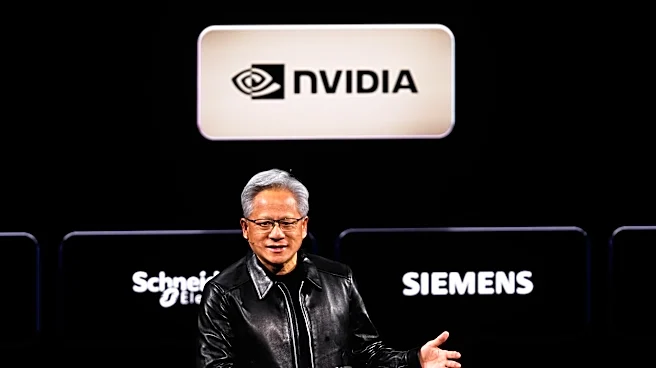
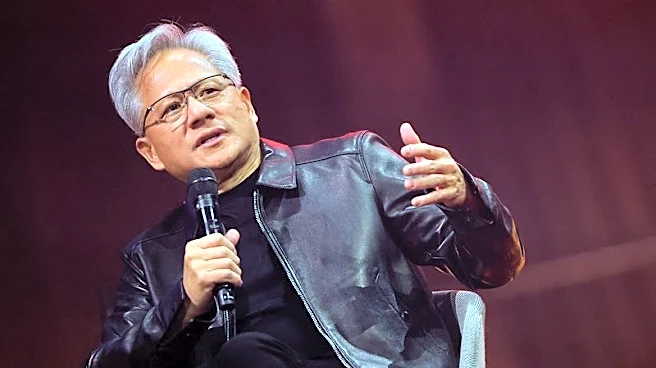
Taiwanese media, citing U.S. tech outlet The Information, report that headhunters may be searching for potential successors to Nvidia CEO Jensen Huang. This comes amid allegations of an affair involving
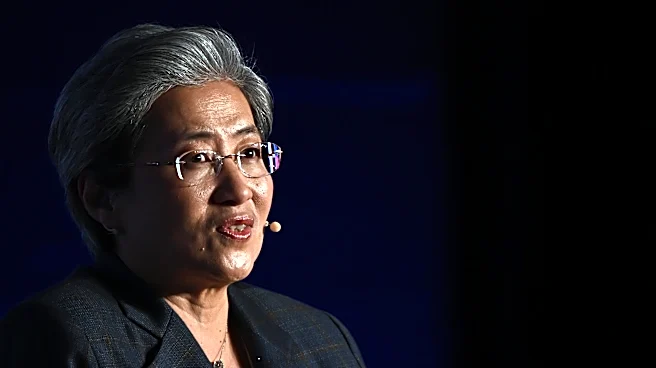
Huang with a woman suspected of being a Chinese spy, leading to calls for his resignation. Nvidia, however, denies that Huang will step down, stating he will continue to lead the company. On November 8, Huang acknowledged the affair in an internal email, apologized, and expressed a desire to regain employee trust. Potential candidates being floated include Lisa Su, CEO of AMD, and Rene Haas, CEO of the British chip design firm Arm. While Su has led AMD to significant growth, her familial relation to Huang and AMD's competitive position in the AI chip market are seen as hurdles. Rene Haas is considered a strong candidate due to his seven years of experience at Nvidia and deep knowledge of the semiconductor industry.
Why It's Important?
The speculation surrounding Jensen Huang's potential departure from Nvidia, a leading company in the semiconductor and AI chip industry, has significant implications for the technology sector and global markets. Nvidia's leadership in AI chips makes its stability crucial for numerous industries relying on advanced computing. A change in leadership could introduce uncertainty, potentially affecting stock performance, strategic direction, and ongoing projects. The mention of Lisa Su, a highly successful CEO of a rival company, highlights the competitive landscape and the high demand for proven leadership in the tech industry. Rene Haas's background at Nvidia and his current role at Arm also underscore the importance of industry-specific expertise. The allegations against Huang and the subsequent internal apology reveal the impact of personal conduct on corporate leadership and employee morale, even in high-profile tech companies.
What's Next?
Nvidia has publicly stated that Jensen Huang will remain CEO, aiming to quell speculation and maintain stability. However, the ongoing reports and the acknowledged affair suggest that internal and external pressures may persist. The company will likely focus on reinforcing confidence in its leadership and strategic direction. The situation could lead to increased scrutiny of corporate governance and executive conduct within the tech industry. While a formal succession plan may not be immediately activated, the discussion around potential successors like Lisa Su and Rene Haas indicates that contingency planning is a consideration for stakeholders. The long-term impact on Huang's influence within Nvidia, even if he remains CEO, is uncertain, as the company reportedly struggles with a 'deeply subdued mood' among employees.
Beyond the Headlines
The allegations against Jensen Huang and the subsequent succession rumors delve into the intersection of personal ethics, corporate leadership, and national security concerns. The labeling of Huang's alleged affair partner as a 'Chinese spy' introduces a geopolitical dimension, highlighting the sensitivities surrounding technology leadership and international relations, particularly concerning China. This incident could prompt companies in critical sectors to re-evaluate their executive vetting processes and internal security protocols. Furthermore, the public discussion about a CEO's personal life impacting their professional standing raises questions about privacy versus accountability in the corporate world. The situation also underscores the immense pressure on leaders of major tech companies, where personal controversies can quickly escalate into significant corporate challenges, affecting market confidence and employee trust.