



What's Happening?
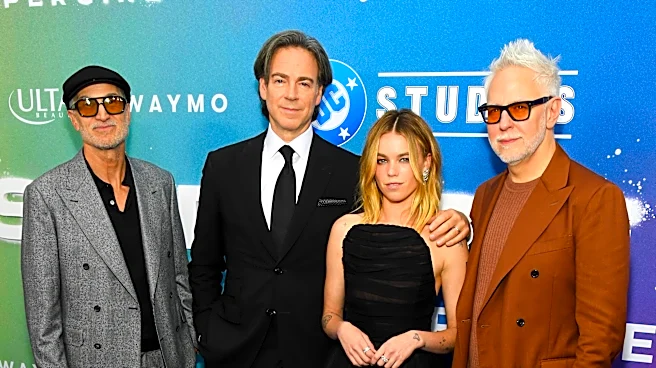
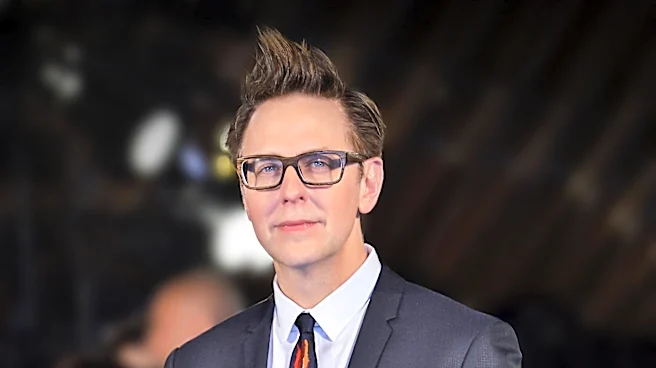
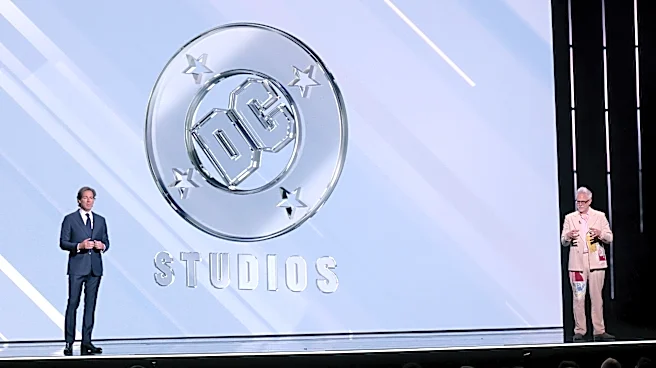
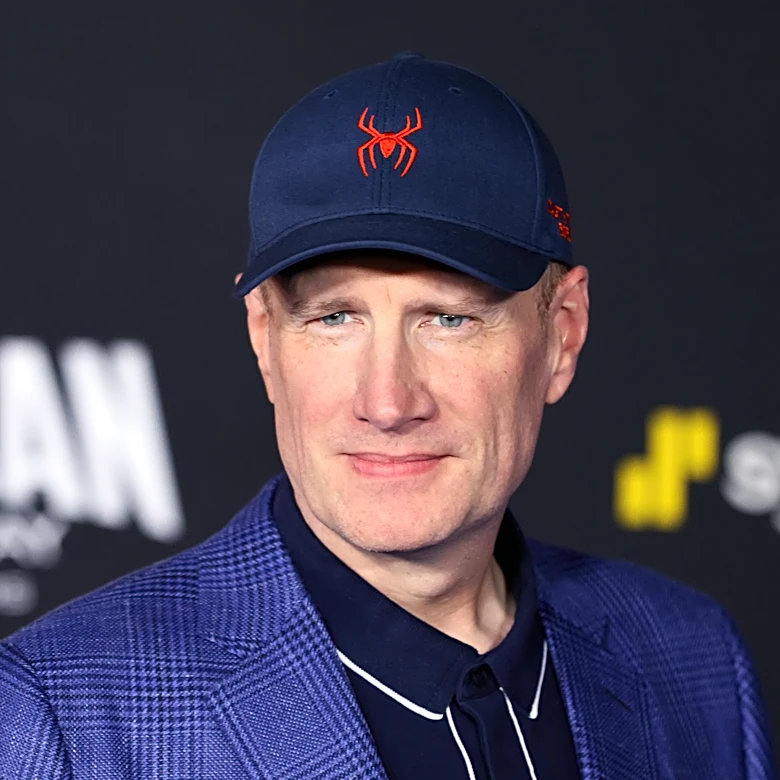
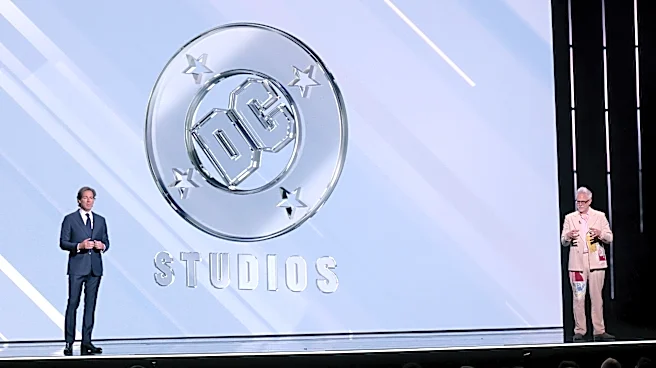
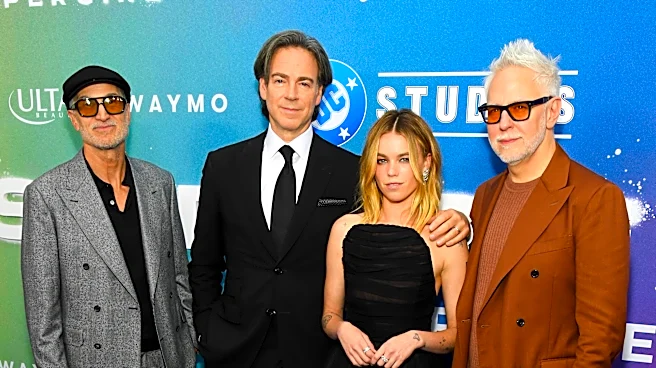
Skydance has announced a significant leadership change at DC Studios, with James Gunn and Peter Safran stepping down as co-heads. Former Marvel Studios executive Jeremy Latcham will assume their roles as president and chief creative officer. This transition
has sent ripples through the entertainment industry, creating uncertainty for several ongoing projects and character arcs within the DC Universe. Among the projects under scrutiny is the trajectory of John Stewart, portrayed by Aaron Pierre in HBO’s 'Lanterns.' Pierre, who learned of the restructuring with the public, expressed gratitude for his collaboration with Gunn and Safran and a philosophical outlook on the future, stating, 'I’m very at peace. What will be will be.' The first season of 'Lanterns' garnered over 19 million viewers and critical acclaim, with a writers' room for Season 2 already convened, though its renewal is pending evaluation by the new leadership. Pierre has completed filming his role as John Stewart for the upcoming feature film 'Man of Tomorrow,' directed by Gunn, which is slated for a July 9, 2027, theatrical release.
Why It's Important?
This executive shake-up at DC Studios is significant for the future direction of one of Hollywood's major superhero franchises. The departure of James Gunn and Peter Safran, who were instrumental in shaping the DCU's recent slate, introduces a period of potential re-evaluation and strategic shifts. Jeremy Latcham's appointment, given his Marvel Studios background, could signal a new creative vision and operational approach for DC's film, television, and animation pipeline. For actors like Aaron Pierre, whose character John Stewart holds cultural weight as a prominent Black superhero, the change brings both uncertainty and potential new opportunities. The success of 'Lanterns' highlights audience demand for diverse storytelling and grounded narratives within the superhero genre. The industry will be closely watching how Latcham balances commercial imperatives with critical successes and how existing projects, like 'Lanterns' and 'Man of Tomorrow,' are integrated into the new leadership's plans.
What's Next?
Jeremy Latcham is set to officially take control of DC Studios on December 1, at which point he will begin steering the studio's upcoming film, television, and animation projects. A key immediate decision will involve the renewal status of 'Lanterns' for its second season, as the new executive leadership evaluates the broader slate of DC projects. While Aaron Pierre's role as John Stewart in the upcoming film 'Man of Tomorrow' is already complete and slated for release in July 2027, the long-term episodic storylines for the character remain fluid under the new leadership. The industry will be observing how Latcham approaches the existing creative pipeline, whether he opts for a significant overhaul or a more gradual transition, and how he plans to balance established fan expectations with his own strategic vision for the DC Universe. Stakeholders, including creators, actors, and fans, will be looking for clarity on the future direction of the franchise.
Beyond the Headlines
The transition at DC Studios reflects a broader trend in the entertainment industry where major franchises frequently undergo leadership changes in pursuit of sustained commercial and critical success. The move highlights the immense pressure on studio executives to deliver cohesive and compelling cinematic universes that can compete in a crowded market. The cultural significance of characters like John Stewart, particularly in terms of authentic Black storytelling, adds another layer of complexity to these executive decisions. Any shift in creative direction could impact representation and diversity within the superhero genre, which has become increasingly important to audiences. Furthermore, the appointment of an executive from a rival studio like Marvel could lead to a cross-pollination of strategies and creative approaches, potentially reshaping the competitive landscape of superhero entertainment. The long-term implications could include a redefinition of what constitutes a successful cinematic universe and how studios manage talent and intellectual property during periods of significant change.