






What's Happening?
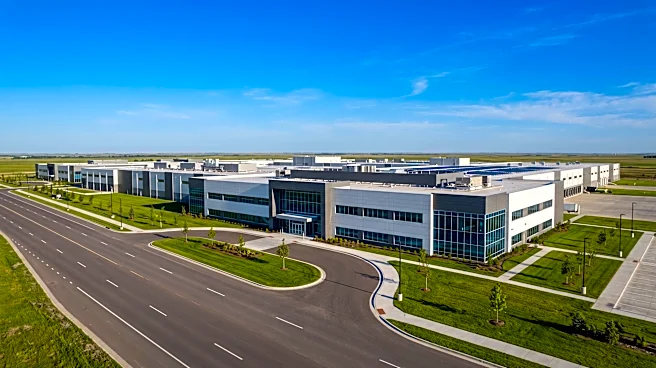
Michigan has developed an Advanced Manufacturing District (AMD) in Mundy Township, near Flint, Genesee County, to attract large-scale industrial investments. The site spans approximately 1,300 contiguous acres, with plans for expansion beyond 1,400 acres.
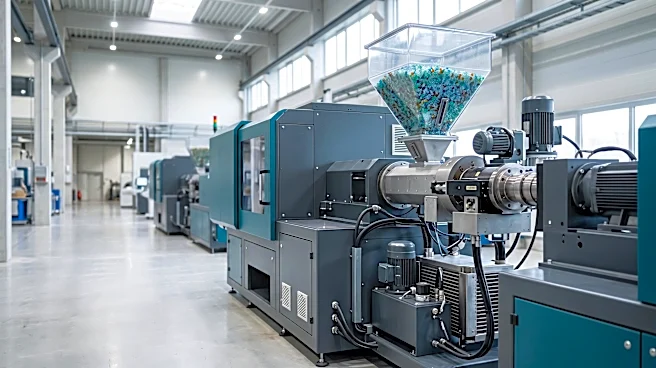
It is designed to support over a gigawatt of electricity demand and about 6.0 billion cubic feet of annual natural gas consumption, making it suitable for major industrial users. The AMD is site-certified through the Michigan Economic Development Corporation’s MI Sites program and has secured nearly $260 million from the Michigan Strategic Fund. This initiative emphasizes readiness, infrastructure capacity, and energy certainty as critical factors for attracting advanced manufacturing, semiconductor facilities, battery plants, and advanced materials production.
Why It's Important?
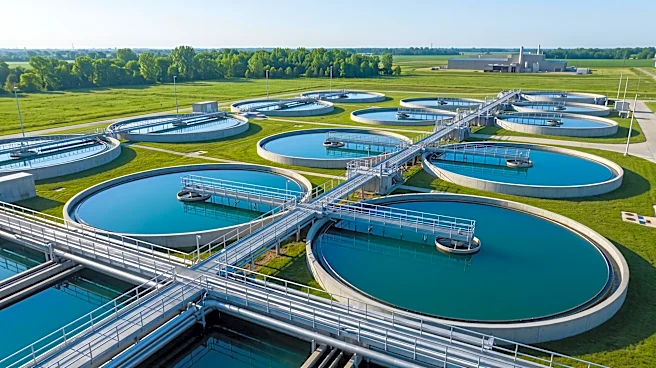
The creation of Michigan's Advanced Manufacturing District is a significant development for the U.S. manufacturing sector, particularly in the context of reshoring and nearshoring initiatives. By proactively developing a site with extensive infrastructure, including rail service, freeway access, proximity to an airport, and substantial water capacity, Michigan is positioning itself as a competitive location for energy-intensive operations. This strategy addresses the growing demand from companies for locations that can offer speed to market and reduce development timelines. The substantial state investment and site certification reduce uncertainty for potential investors, making the region more attractive. Furthermore, the district's proximity to several universities and colleges ensures access to a skilled workforce, which is a crucial factor for advanced manufacturing. This initiative could lead to significant job creation and economic growth in the Flint region and reinforce Michigan's leadership in manufacturing.
What's Next?
The Advanced Manufacturing District in Genesee County will continue to actively seek and attract large-scale industrial users, including those in semiconductor, battery, and advanced materials production. The focus will be on leveraging the site's readiness, robust infrastructure, and skilled workforce to secure transformative manufacturing projects. Economic development organizations, in partnership with Consumers Energy, will continue to promote the district's competitive advantages, such as its economic development rate for large energy users. Future efforts will likely involve ongoing marketing to potential investors and further development of the site's capabilities to meet evolving industrial needs. The success of this district could serve as a model for other regions aiming to attract advanced manufacturing investments.
Beyond the Headlines
The Advanced Manufacturing District represents a strategic shift in economic development, where site readiness and comprehensive infrastructure are prioritized to meet the demands of modern manufacturing. This approach goes beyond traditional site selection criteria, emphasizing the importance of pre-prepared, large-scale industrial platforms. The overlay zoning structure designed to preserve the site for advanced manufacturing ensures long-term alignment with development goals and community expectations, fostering sustainable growth. The collaboration between state and local leaders, utility providers like Consumers Energy, and educational institutions highlights a holistic approach to economic development. This model could influence how other states and regions prepare for future industrial investments, recognizing that access to both energy infrastructure and a skilled labor force are equally critical for attracting capital expenditures and driving innovation.