






What's Happening?
Copper Fit is providing practical fitness advice to help individuals maintain an active lifestyle during the holiday season, a period when nearly 45% of people reportedly take a complete break from exercise, according to an Ohio State University Wexner
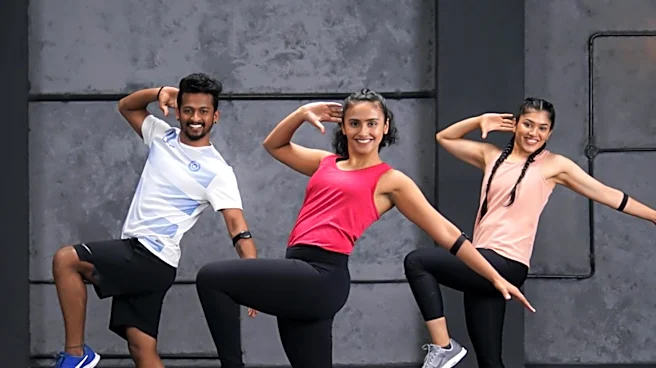
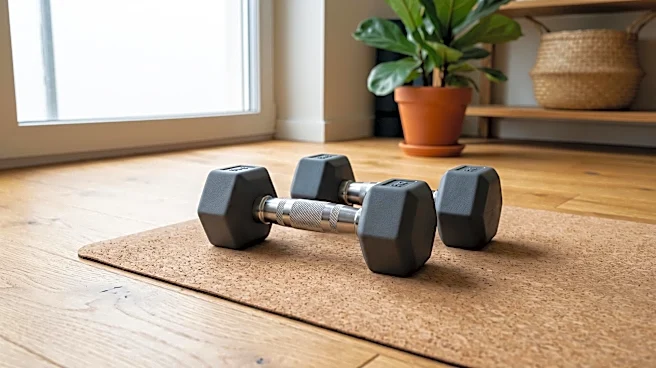
Medical Center Survey. The recommendations include incorporating 'fitness snacks'—short bursts of movement lasting 1-5 minutes—throughout the day, such as climbing stairs, doing lunges, or dancing. Additionally, Copper Fit suggests making post-meal walks a tradition to reduce blood sugar spikes and improve digestion. The company also emphasizes strength training with simple bodyweight or light dumbbell exercises to build and maintain muscle, crucial for healthy aging. Active recovery, like restorative yoga or gentle stretching, is advised to manage holiday stress. For those seeking more vigorous activity, weighted vests are recommended for walks to increase calorie burn and potentially benefit bone health. The overall message encourages flexibility and consistency over perfection in fitness routines during the festive period.
Why It's Important?
These fitness tips are important for public health, particularly in the U.S., where holiday seasons often contribute to weight gain and a decline in physical activity. The emphasis on 'fitness snacks' and short post-meal walks makes exercise more accessible and less daunting for individuals with busy schedules, potentially encouraging a broader segment of the population to stay active. Promoting strength training addresses the long-term benefits of muscle maintenance for healthy aging, which can reduce healthcare burdens associated with age-related decline. By offering practical, achievable strategies, Copper Fit's advice can help mitigate the negative health impacts often associated with holiday indulgence, fostering a more consistent approach to wellness that extends beyond the new year. This can lead to improved metabolic health, stress reduction, and sustained physical capability for many Americans.
What's Next?
The continued promotion of accessible fitness strategies, such as those offered by Copper Fit, could lead to a broader adoption of micro-workouts and active recovery techniques, especially during high-stress periods like holidays. Health and wellness brands may further integrate similar practical advice into their marketing and product offerings, focusing on convenience and ease of integration into daily life. Educational campaigns from health organizations might also highlight the benefits of short, frequent physical activities. The long-term impact could be a cultural shift towards viewing exercise not as an all-or-nothing endeavor, but as a series of small, consistent efforts that collectively contribute to overall well-being, potentially influencing public health guidelines and corporate wellness programs.
Beyond the Headlines
The concept of 'fitness snacks' and integrating movement into daily routines reflects a growing understanding of behavioral psychology in health. It acknowledges that large, intimidating fitness goals often lead to abandonment, whereas small, manageable actions are more likely to be sustained. This approach challenges the traditional view of exercise as requiring dedicated, lengthy gym sessions, making it more inclusive for individuals with varying time constraints and fitness levels. The focus on strength training also highlights a shift from purely cardiovascular metrics to a more holistic view of physical health, recognizing muscle mass as a key indicator of longevity and functional independence. This could lead to a re-evaluation of how fitness is taught in schools and promoted in workplaces, emphasizing sustainable habits over intense, short-lived efforts.