
What's Happening?
Studio apartment design is evolving to prioritize intentional use of limited space through strategic aesthetic and functional choices. Key trends include the consistent application of a single color or texture
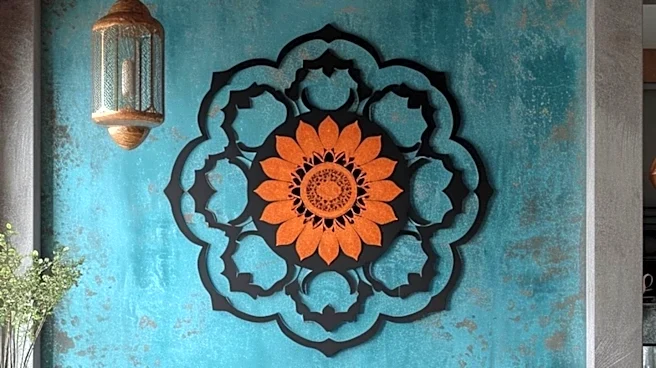
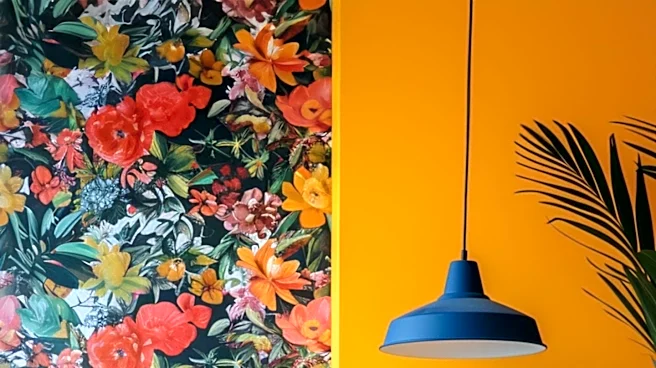
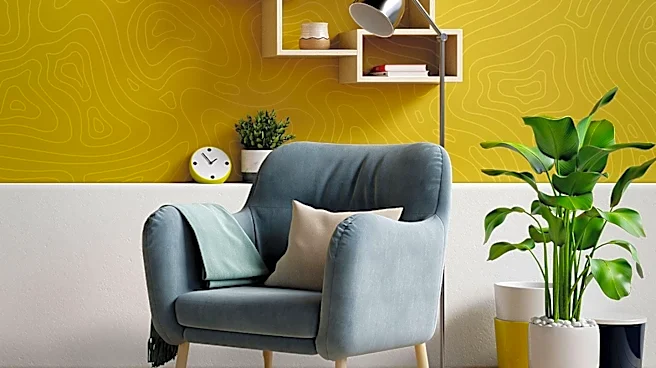
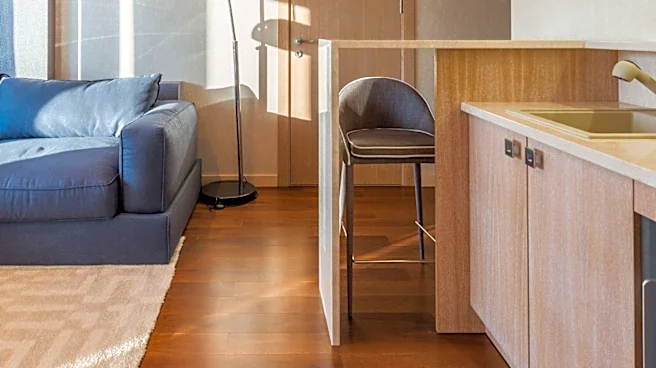
throughout the room to create a unified feel, and the integration of multifunctional furniture that serves dual purposes, such as beds with built-in storage or ottomans that open for storage. Designers are moving away from single accent objects, instead advocating for repeating a bold color at least three times within the space to make it appear deliberate. Lighting is also crucial, with a focus on using multiple fixtures to define different zones rather than relying on a single overhead light. Minimalist living rooms, characterized by clean lines and a clutter-free environment, are gaining popularity, often incorporating earthy natural materials and warm tones. Modern studio plans are increasingly highlighting high-quality construction and thoughtful details, including well-equipped kitchenettes and convenient access to amenities. Recent feedback from residents underscores the value of small touches like provided fruits, coffee, and tea, alongside a clean and tidy living space.
Why It's Important?
The emphasis on thoughtful studio apartment design reflects a broader shift in urban living, where smaller living spaces are becoming more common due to increasing population density and housing costs in U.S. cities. This design philosophy is crucial for maximizing comfort and functionality in compact environments, directly impacting the quality of life for a significant portion of the urban population, particularly young professionals and individuals seeking affordable housing options. By promoting multifunctional furniture and cohesive design elements, these trends help residents avoid clutter and create a sense of spaciousness and intention, which can reduce stress and improve overall well-being. For the real estate and interior design industries, this means a growing market for innovative, space-saving solutions and design services tailored to small living spaces. Developers who incorporate these design principles into their studio units can attract more tenants and command higher rents, as these features address practical needs and aesthetic desires. Furthermore, the focus on 'little details' like complimentary amenities highlights a growing consumer expectation for value-added services and a personalized living experience, pushing property managers and landlords to enhance their offerings beyond basic accommodations.
What's Next?
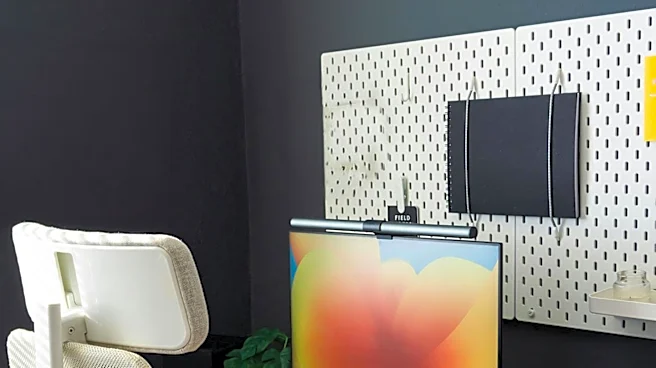
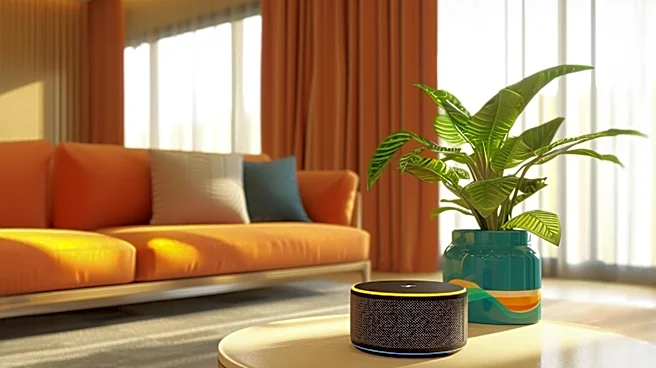
The trajectory for studio apartment design suggests continued innovation in space utilization and aesthetic integration. We can anticipate a rise in modular furniture systems that can be reconfigured to serve various functions, further blurring the lines between different living zones. Technology will likely play a more significant role, with smart home features integrated into compact designs to enhance convenience and efficiency, such as automated lighting that adjusts to different activities or built-in charging stations. The demand for sustainable and eco-friendly materials in small-space design is also expected to grow, aligning with broader consumer preferences for environmentally conscious living. Furthermore, as remote work remains prevalent, there will be an increased need for dedicated, yet discreet, home office solutions within studio layouts. Property developers and designers will likely collaborate more closely to offer customizable design packages, allowing residents to personalize their compact spaces to a greater extent. Educational resources and online platforms dedicated to small-space living will also expand, providing more inspiration and practical advice for optimizing studio apartments.
Beyond the Headlines
Beyond the immediate benefits of maximizing space, the evolution of studio apartment design touches upon deeper societal and psychological implications. The intentional creation of aesthetically pleasing and functional small spaces can foster a sense of control and well-being in residents, counteracting the potential feelings of confinement often associated with compact living. This design approach encourages a more minimalist lifestyle, prompting individuals to be more selective about their possessions and prioritize experiences over material accumulation, which can have positive environmental impacts. Culturally, the embrace of sophisticated studio living challenges traditional notions of 'home' as necessarily large and sprawling, promoting a more adaptable and efficient urban existence. Legally and ethically, the increasing prevalence of smaller units may prompt discussions around minimum living space standards and the responsibilities of landlords to provide not just shelter, but also a conducive environment for mental and physical health. The emphasis on thoughtful design in studios also highlights a growing appreciation for interior design as a tool for enhancing daily life, even in the most constrained environments, suggesting a broader cultural shift towards valuing design and functionality in all aspects of living.