

What's Happening?
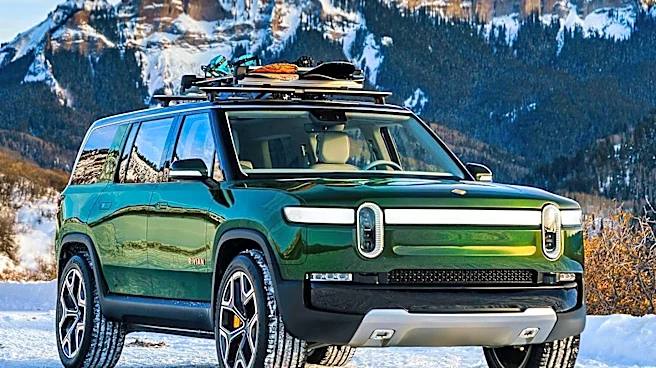
Rivian is deploying its new RivianOS 2 interface, initially introduced with the R2, to existing R1S SUV and R1T pickup models through an over-the-air update (version 2026.31). This update aims to standardize the user experience across Rivian's vehicle
lineup, bringing dynamic controls, redesigned search settings, and enhanced navigation features to current R1 owners. Key improvements include context-based controls, a search function for settings, and real-time route alerts powered by Google Maps, which provide warnings for speed cameras and police presence. Additionally, Connect+ subscribers will gain access to a dedicated weather app and live trip management capabilities directly from the Rivian app. While the design language will be consistent, hardware differences mean that original R1 models will utilize Unreal Engine 4 for visuals and cloud-based AI voice assistance, whereas newer R1s and the R2 benefit from Unreal Engine 5 for 3D renderings and more powerful onboard computers supporting offline AI.
Why It's Important?
This software update is significant for Rivian as it aims to unify the user experience across its diverse product range, potentially increasing customer satisfaction and brand loyalty among existing R1 owners. By bringing features from the newer R2 to older R1 models, Rivian demonstrates a commitment to continuous improvement and value retention for its customers, a crucial factor in the competitive electric vehicle market. The enhanced AI voice assistance and real-time navigation alerts improve convenience and safety, aligning with consumer expectations for advanced in-car technology. Furthermore, the move to standardize the OS across models streamlines future software development and maintenance, potentially leading to more efficient updates and feature rollouts. This strategy could also help bridge the gap between early adopters of the R1 and those considering newer Rivian models, ensuring a consistent brand experience.
What's Next?
Following this rollout, Rivian is expected to continue refining RivianOS 2, with future improvements applying across both R1 and R2 lineups, ensuring a cohesive technological ecosystem. The company will likely monitor user feedback on the new interface and features to inform subsequent updates. As hardware capabilities vary across different generations of Rivian vehicles, future software enhancements may continue to leverage the more advanced computing power of newer models, potentially creating a tiered feature set. Rivian may also explore further integrations with third-party services, building on the Google Maps collaboration, to expand the utility and convenience of its in-car infotainment system. The ongoing evolution of RivianOS will be critical in maintaining the brand's competitive edge in the rapidly advancing EV market.
Beyond the Headlines
The deployment of RivianOS 2 across its vehicle generations highlights a broader trend in the automotive industry: the increasing importance of software as a differentiator and a source of ongoing value. This approach, akin to smartphone operating system updates, transforms vehicles from static hardware products into evolving platforms. For Rivian, this strategy could foster a stronger community around its brand, as owners experience continuous improvements without needing to purchase a new vehicle. It also raises questions about the long-term support for older hardware, as the gap in graphical capabilities and AI processing power between generations becomes more pronounced. This could influence future purchasing decisions, with consumers weighing the benefits of newer hardware against the consistent software experience. Ultimately, Rivian's commitment to software updates underscores the shift towards a more integrated, tech-centric automotive future.