
What's Happening?
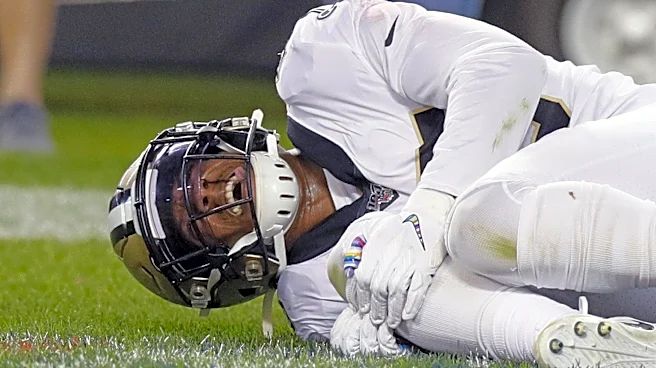
The Detroit Lions have placed All-Pro linebacker Jack Campbell on injured reserve (IR) after he sustained a serious neck injury during last week's game against the Minnesota Vikings. Campbell was hospitalized
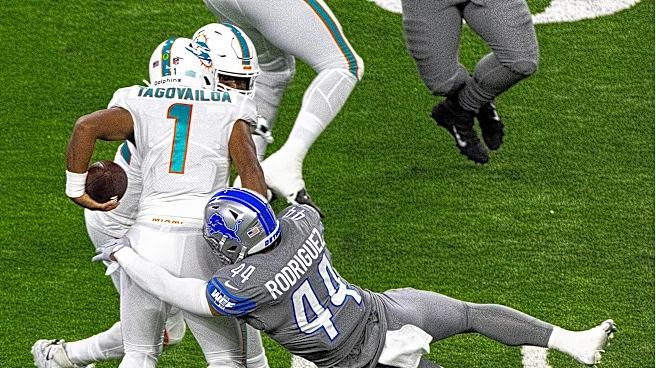
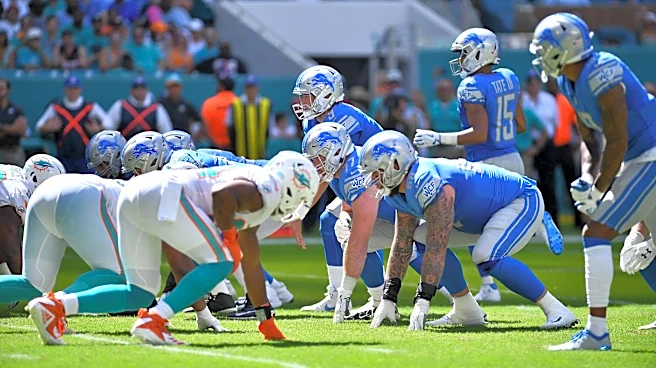
following the injury and provided an update on his condition, stating he has full movement in his lower body and is making progress with upper body movement, remaining optimistic about his recovery. His placement on IR means he will miss at least the next four games, making him eligible to return no earlier than Week 13 against the Atlanta Falcons on December 6. In response to Campbell's absence, the Lions are expected to start Derrick Barnes, Malcolm Rodriguez, and Trevor Nowaske at linebacker for their upcoming game against the Miami Dolphins. The team also has Joe Bachie, K.J. Britt, and Amen Ogbongbemiga available as reserves. To fill Campbell's spot on the 53-man roster, the Lions signed cornerback Nick Whiteside from the practice squad, who had impressed during training camp. Additionally, the team elevated defensive end Anthony Lucas and running back Jabari Small from the practice squad.
Why It's Important?
The loss of Jack Campbell, an All-Pro linebacker and defensive captain, is a significant blow to the Detroit Lions' defense. His absence will force the team to rely on less experienced players in key roles, potentially impacting their defensive performance, especially against strong offensive opponents. The immediate need to adjust the starting lineup and integrate new players from the practice squad highlights the depth challenges faced by NFL teams when star players are sidelined. The promotion of Nick Whiteside to the active roster also signals concerns in the cornerback position, particularly with top cornerback D.J. Reed out due to a hip injury. This series of roster moves underscores the fluid nature of NFL team management, where injuries can rapidly alter team strategies and personnel decisions, affecting game outcomes and the team's overall season trajectory. The performance of the replacement players will be crucial in maintaining the team's competitive edge during Campbell's recovery period.
What's Next?
With Jack Campbell sidelined for at least four games, the Detroit Lions will need to quickly integrate their new starting linebackers and cornerback into their defensive schemes. The immediate focus will be on their upcoming game against the Miami Dolphins, where the new defensive lineup will be tested. The performance of Derrick Barnes, Malcolm Rodriguez, and Trevor Nowaske at linebacker, along with Nick Whiteside in the cornerback rotation, will be closely scrutinized. The team will also monitor Campbell's recovery progress, with a potential return in Week 13 against the Atlanta Falcons. Beyond immediate game-day adjustments, the Lions may continue to explore options to bolster their roster depth, especially at linebacker and cornerback, as the trade deadline approaches on November 10. The team's ability to adapt to these significant personnel changes will be critical for maintaining their momentum and achieving their season goals.
Beyond the Headlines
The serious neck injury sustained by Jack Campbell brings to light the inherent physical risks faced by professional football players. Such injuries not only impact a player's immediate career but can also have long-term health implications, raising broader discussions about player safety protocols and injury prevention in the NFL. For the Detroit Lions, managing the absence of a key defensive leader like Campbell extends beyond tactical adjustments; it also involves maintaining team morale and cohesion. The reliance on practice squad players and less experienced individuals highlights the importance of a robust player development system within NFL franchises. Furthermore, the situation could influence future contract negotiations and team building strategies, as teams weigh the value of investing heavily in positions prone to high-impact injuries. The incident serves as a stark reminder of the physical toll of the sport and the constant need for teams to have contingency plans for unforeseen circumstances.