





What's Happening?
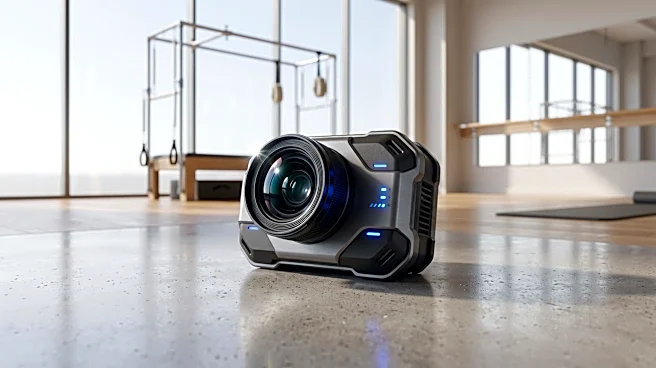
INNOVATECH, a Shanghai-based technology company, is scheduled to launch its AI-powered Motion Tracking System at the upcoming Consumer Electronics Show (CES). This system utilizes AI-driven computer vision to capture, recognize, and analyze human movements
in real time. It functions by identifying individuals within a camera's view, detecting key body points to create a skeletal representation, and continuously tracking these points to analyze movement patterns. The processed motion data is then translated into real-time digital visualizations, demonstrated through common physical activities like squats and vertical jumps. The technology aims to provide a flexible foundation for various interactive applications, including digital sports, AI-powered fitness, virtual avatars, and industrial safety. INNOVATECH is also seeking global partners through flexible collaboration models, such as AI Vision Modules & Edge AI Devices, Algorithm SDK Licensing, API Integration & Algorithm Access, and OEM/ODM Joint Product Development, to accelerate the commercialization of these AI vision technologies.
Why It's Important?
The introduction of INNOVATECH's AI Motion Tracking System at CES signifies a notable advancement in intelligent vision technology with broad implications for U.S. industries. Its application in digital sports and AI-powered fitness could revolutionize how Americans engage with physical activity, offering more immersive and data-driven experiences. For instance, fitness companies could integrate this technology to provide personalized workout feedback and virtual coaching, potentially boosting the wellness sector. The system's capability to enable virtual avatars could also impact the entertainment and gaming industries, allowing for more realistic and interactive digital content. Furthermore, its use in industrial safety for human pose recognition and movement analysis could enhance workplace monitoring and operational management, leading to improved safety standards and efficiency in manufacturing and logistics sectors across the U.S. The flexible collaboration models offered by INNOVATECH could also foster partnerships with U.S. tech companies, driving innovation and market expansion.
What's Next?
Following its debut at CES, INNOVATECH is expected to actively pursue partnerships with global entities, including those in the U.S., to integrate its AI vision technologies into various products and services. This could lead to the rapid adoption of AI-powered motion tracking in consumer electronics, fitness equipment, and industrial applications. The company's collaboration models, such as SDK licensing and API integration, suggest that U.S. developers and manufacturers could soon incorporate these capabilities into their own offerings, potentially creating new market segments and enhancing existing ones. The demonstration at CES will likely serve as a catalyst for discussions and potential agreements with U.S. businesses looking to leverage advanced AI for interactive experiences and operational improvements. The success of these collaborations will determine the speed and scale of the technology's integration into the U.S. market.
Beyond the Headlines
The broader implications of INNOVATECH's AI Motion Tracking System extend to the evolving landscape of human-computer interaction and data privacy. As AI vision systems become more prevalent, questions regarding the collection and use of biometric data, such as skeletal keypoints and movement patterns, will become increasingly pertinent. U.S. regulatory bodies may need to address new frameworks for data governance to ensure ethical use and protect individual privacy. Moreover, the technology's ability to connect physical movements with digital content could blur the lines between the real and virtual worlds, influencing how individuals perceive and interact with their environments. This could lead to new forms of digital engagement, but also raise concerns about potential over-reliance on technology and its impact on human behavior and social interaction. The development also highlights the growing global competition in AI innovation, with companies like INNOVATECH pushing the boundaries of what's possible in intelligent vision.