




What's Happening?
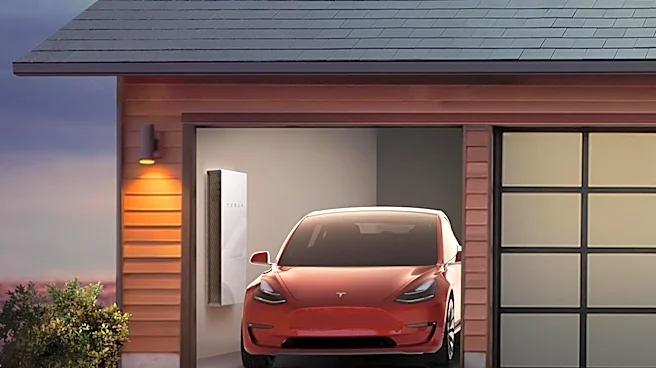
A Connecticut homeowner has chosen a leased Tesla solar-and-battery system as an alternative to a whole-home generator, anticipating significant cost savings. The resident shared their experience on Reddit's r/TeslaSolar forum, stating that after a planned
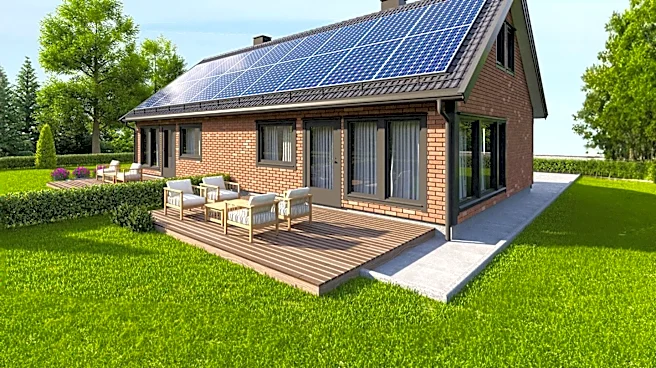
buyout, the Tesla system would cost approximately half the price of a quoted generator installation. The primary motivations for this decision were affordable backup power and virtual power plant incentives. The Tesla setup includes a 12-panel solar installation, three expansion packs, and a Powerwall 3. The homeowner aims to make payments for five years before exercising a buyout option, noting that their goal is backup power for outages, even if it doesn't fully offset energy costs. While some online discussions highlighted concerns about Tesla's long-term support for systems under warranty, the homeowner reported a positive experience with the initial planning and installation.
Why It's Important?
This decision by a Connecticut homeowner highlights a growing trend in residential energy solutions, where solar-plus-battery systems are becoming a competitive alternative to traditional whole-home generators. The cost-effectiveness cited by the homeowner, particularly the potential for a 50% reduction in cost after buyout compared to a generator, could influence other homeowners to explore similar renewable energy options. This shift has implications for the energy market, potentially increasing demand for residential solar installations and battery storage solutions. It also underscores the importance of virtual power plant incentives in making these systems more financially attractive. For consumers, it suggests a pathway to more affordable and sustainable backup power, while for the energy industry, it points to a diversification of power generation and storage at the household level.
What's Next?
The increasing adoption of residential solar-and-battery systems, as exemplified by this Connecticut homeowner, suggests a future where distributed energy resources play a more significant role in the U.S. power grid. As more homeowners consider these alternatives, there could be a rise in demand for solar installers and battery storage providers. The competitive landscape between traditional generator manufacturers and renewable energy companies is likely to intensify, potentially driving innovation and further cost reductions in both sectors. Additionally, the success of virtual power plant programs will be crucial in encouraging wider adoption, as these incentives directly impact the financial viability for homeowners. Future developments may also focus on improving long-term support and warranty services for these advanced home energy systems to address consumer concerns.
Beyond the Headlines
The homeowner's choice reflects a broader societal move towards energy independence and resilience, driven by factors such as increasing grid instability, rising energy costs, and environmental concerns. Beyond the immediate financial benefits, adopting solar-plus-battery systems contributes to a more sustainable energy ecosystem by reducing reliance on fossil fuels and lowering carbon emissions. This trend could also lead to a more decentralized energy infrastructure, empowering individual households to generate and store their own power, and even contribute to the grid during peak demand through virtual power plants. The ethical implications include questions of energy equity and access, as the upfront cost of these systems, even with incentives, can still be a barrier for some households. Furthermore, the long-term reliability and maintenance of complex home energy systems will be a critical factor in their widespread acceptance.