





What's Happening?
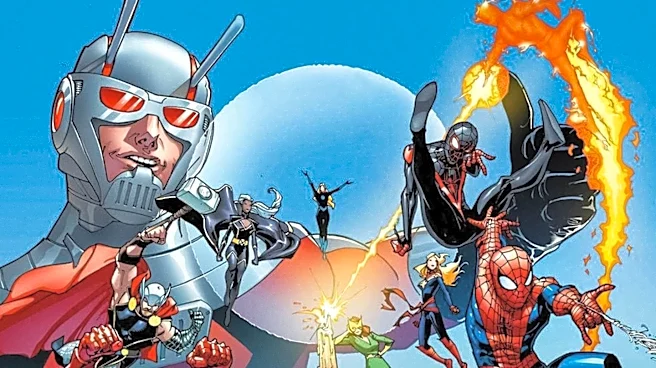
Marvel Comics has taken a significant lead in the comic book sales charts for the week of November 10-16, 2026, securing six of the top ten best-selling slots. This strong performance was spearheaded by 'Amazing Spider-Man #1003,' which featured the return
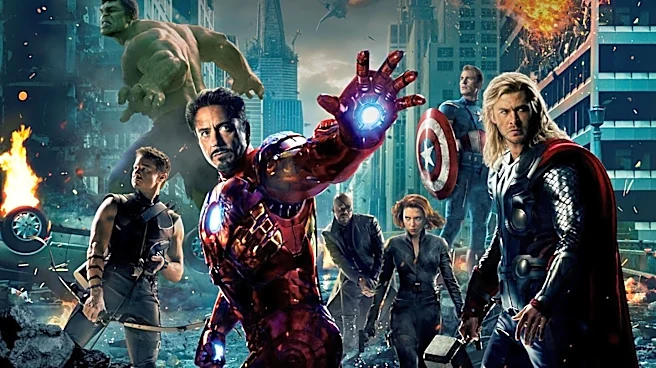
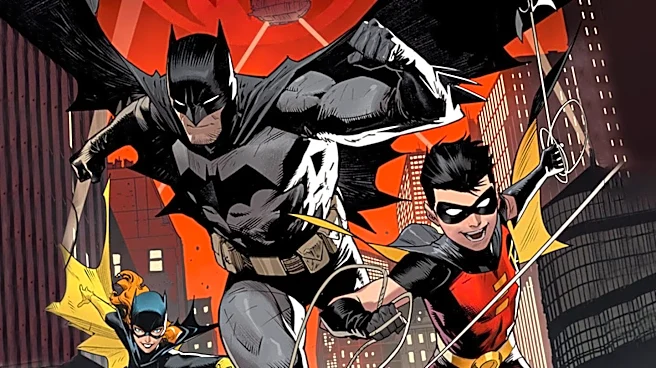
of J. Jonah Jameson to his Spider-Man-hating persona. Other top Marvel titles included 'Daredevil #9,' 'Avengers #1,' and 'X-Men #41,' which ties into the ongoing DNX event. Skybound also made a notable entry at number five with 'Transformers #38,' introducing a new form of Megatron known as Megatronus Rex. DC Comics' highest-ranking titles were 'Teen Titans #3' at number six, 'The Doom Patrol #3' at number seven, and 'Legion of Super-Heroes #3' at number ten. The sales data is compiled from Prana Direct Market Solutions, which aggregates Point of Sale (POS) data from over 600 comic book stores.
Why It's Important?
Marvel's commanding lead in the comic book sales charts signifies its continued influence and market dominance within the U.S. comic book industry. This performance indicates strong consumer interest in established Marvel characters and ongoing storylines, such as the return of classic character dynamics and major crossover events like DNX. The success of titles like 'Amazing Spider-Man' and 'X-Men' suggests that character-driven narratives and interconnected universes remain key drivers for sales. For retailers, these sales figures provide valuable insights into consumer preferences, guiding inventory decisions and promotional strategies. The strong showing by Skybound's 'Transformers #38' also highlights the potential for licensed properties and character redesigns to capture significant market share, indicating a diverse landscape of consumer interest beyond the traditional superhero genre.
What's Next?
The comic book industry will likely continue to monitor these sales trends closely. Marvel's strong performance may encourage the publisher to further invest in its popular series and crossover events, potentially leading to more frequent releases or expanded storylines for its top-selling titles. Other publishers, including DC Comics and independent imprints like Skybound, will likely analyze these results to refine their own publishing strategies, potentially adjusting their focus on character development, event planning, or new intellectual property acquisitions to compete more effectively. Retailers will use this data to anticipate future demand and tailor their stock to align with consumer preferences, ensuring they capitalize on the momentum generated by popular releases. The ongoing competition between major publishers will continue to shape the landscape of the U.S. comic book market.
Beyond the Headlines
The consistent fluctuation in comic book sales charts, with publishers like Marvel and DC often trading the top spots, reflects the dynamic and competitive nature of the U.S. comic book market. Beyond mere sales figures, these trends can indicate broader shifts in cultural interests and storytelling preferences. The success of specific storylines, such as the return of J. Jonah Jameson's classic persona, underscores the enduring appeal of character legacy and established lore for long-time readers, while new character forms like Megatronus Rex suggest an appetite for innovation within familiar franchises. This interplay between tradition and novelty is crucial for the industry's long-term health, as it must balance catering to its loyal fanbase with attracting new readers through fresh narratives and diverse characters. The data also highlights the importance of direct market solutions in tracking sales, providing a more granular view of consumer purchasing habits.