






What's Happening?
According to the latest data from Global Travel Collection, luxury travel trends for 2026 are showing a significant shift towards cooler destinations, off-peak travel, and increased privacy. There is a notable decline in European summer bookings, which
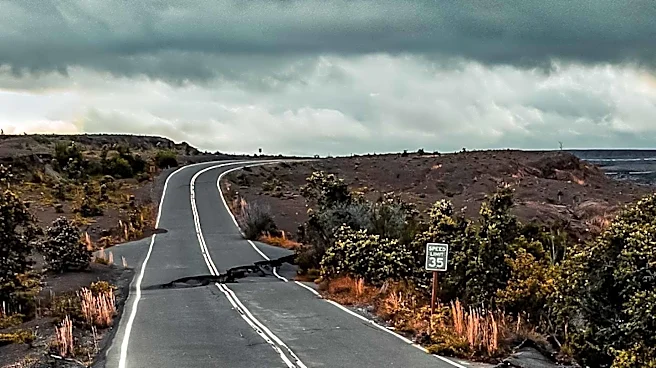
have decreased by 10 percent compared to the previous year, while fall bookings have surged by 25 percent. This change indicates a preference among luxury travelers for shoulder seasons to avoid crowds and enjoy milder weather. Additionally, there is a growing interest in Nordic and Arctic regions, with high-end travelers opting for ultra-private lodges and nature-focused wellness experiences. Destinations neighboring Italy, such as Croatia, Montenegro, and Albania, are also seeing increased bookings, particularly for private villas and boutique hotels. In the United States, domestic luxury travel is on the rise, with a 40 percent increase in fall bookings for destinations like Hawaii, Miami, and Rhode Island.
Why It's Important?
The shift in luxury travel preferences reflects broader societal trends towards privacy and exclusivity, as well as a desire to explore less crowded and more unique destinations. This trend could have significant implications for the travel industry, particularly in terms of how destinations market themselves and the types of accommodations they offer. The increased demand for private villas and boutique hotels suggests a move away from traditional hotel experiences, which could impact large hotel chains. Additionally, the rise in domestic luxury travel within the U.S. indicates a potential boost to local economies, as travelers choose to spend their money domestically rather than abroad. This trend also highlights the importance of sustainability and environmental consciousness, as travelers seek out destinations that offer natural beauty and wellness experiences.
What's Next?
As these trends continue to develop, travel companies and destinations may need to adapt their offerings to cater to the changing preferences of luxury travelers. This could involve investing in more private and exclusive accommodations, as well as promoting off-peak travel options. Destinations that have traditionally relied on summer tourism may need to diversify their offerings to attract visitors during other seasons. Additionally, the focus on cooler and less crowded destinations could lead to increased investment in infrastructure and marketing in these areas. The travel industry will likely continue to monitor these trends closely to ensure they are meeting the evolving needs of luxury travelers.