







What's Happening?
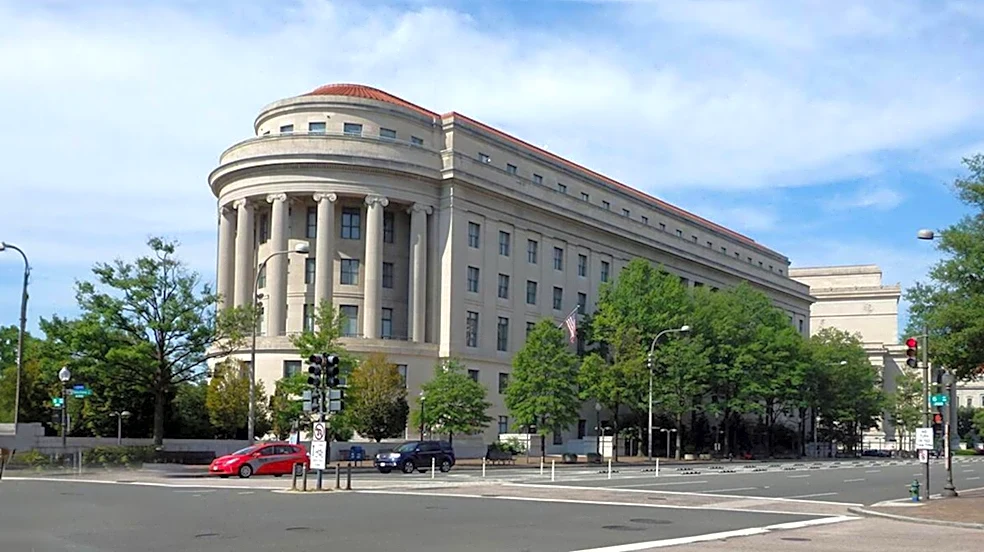
The Federal Trade Commission (FTC) has initiated a lawsuit against ticket broker REPS and Company, its Chief Executive Officer Ryan Pancheri, President Brian Archibald, and Chief Operating Officer Nicholas Totagrande. The complaint, filed by the Department
of Justice in a California federal court, alleges that the firm illegally circumvented purchase limits to acquire millions of tickets for high-demand events. REPS and Company then resold these tickets for substantial profits. According to the complaint, the defendants violated the Better Online Ticket Sales Act. The company reportedly used a team of employees, thousands of proxy accounts, virtual credit cards, and specialized software to conceal their identities and bypass security measures on ticketing platforms such as Ticketmaster. Since 2022, the government claims REPS spent over $1.3 billion to amass more than 18.5 million tickets across at least 83,500 events, generating at least $120.8 million in profit on the secondary market.
Why It's Important?
This lawsuit is significant for consumer protection and fair market practices within the U.S. ticketing industry. The alleged actions of REPS and Company directly impact consumers by limiting access to tickets for popular events and driving up prices on the secondary market. By bypassing legitimate purchase limits, the firm created an artificial scarcity, forcing fans to pay inflated prices. This practice undermines the integrity of the primary ticketing market and exploits consumer demand. The FTC's intervention demonstrates a commitment to enforcing regulations designed to ensure equitable access to event tickets and prevent predatory reselling practices. This case could set a precedent for how ticket brokers operate and how platforms manage their sales to prevent similar abuses, ultimately aiming to protect the financial interests of event-goers.
What's Next?
The lawsuit will proceed in California federal court, where the Department of Justice will present its case against REPS and Company and its executives. The outcome could result in significant penalties for the defendants, including fines and injunctions to prevent future violations of the Better Online Ticket Sales Act. This legal action may also prompt other ticketing platforms and brokers to review and strengthen their security measures and sales policies to prevent similar circumvention of purchase limits. Furthermore, the case could lead to increased scrutiny of the secondary ticketing market and potentially influence future legislative efforts aimed at regulating ticket resales and ensuring greater transparency and fairness for consumers.
Beyond the Headlines
Beyond the immediate legal implications, this case highlights the ongoing tension between primary ticket sales and the secondary market, and the technological arms race between ticketing platforms and sophisticated brokers. The use of advanced software, proxy accounts, and virtual credit cards by REPS and Company illustrates the evolving methods employed to exploit loopholes in online sales systems. This situation raises broader questions about the effectiveness of current regulations in a rapidly digitalizing market and the need for continuous adaptation of enforcement strategies. It also underscores the ethical considerations for businesses operating in high-demand markets, where the pursuit of profit can lead to practices that disadvantage the general public and erode trust in the marketplace.