



What's Happening?
Luxury hotels are transforming their merchandise offerings from traditional, often uninspired, souvenirs into highly desirable, chic lifestyle products. This shift is driven by hotels repositioning themselves as 'lifestyle brands' that extend guests'
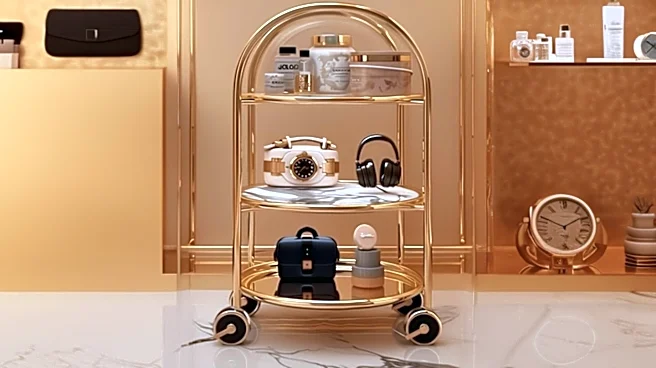
personal style and identity. Instead of generic branded items, hotels are now curating fashion, beauty, and homewares that are more appealing than typical department store offerings. Examples include Pellicano's Issimo retail platform, which sells branded ashtrays, coasters, and backgammon boards, and JW Marriott's bespoke bedding, linens, and exclusive fragrances developed with Flamingo Estate. The Ace Hotel group, for instance, collaborates with like-minded brands to create unique items such as T-shirts and gym towels with local cultural motifs, like sakura flowers for their Kyoto location. This strategy aims to create items guests genuinely want to wear or use, fostering a deeper connection to the hotel brand beyond their stay. The success of this approach is evident in the cult following some items achieve, such as felt slippers from a Claridge's collaboration, which guests actively seek out for purchase.
Why It's Important?
This trend signifies a significant evolution in the hospitality industry's marketing and branding strategies. By offering high-quality, stylish merchandise, hotels are extending their brand presence into guests' daily lives, transforming them into brand ambassadors. This creates a continuous revenue stream beyond room bookings and on-site services, enhancing brand loyalty and recognition. For consumers, it means access to exclusive, well-designed products that serve as tangible reminders of luxury experiences, moving away from the 'gauche' perception of traditional hotel souvenirs. This approach also allows hotels to tap into the growing market for curated lifestyle products, potentially attracting new clientele who resonate with the hotel's aesthetic and values. The emphasis on collaboration with other brands also fosters cross-promotional opportunities, expanding market reach for both the hotel and its partners. This strategy ultimately strengthens the hotel's position as a lifestyle authority, influencing consumer choices in fashion, home decor, and personal care.
What's Next?
The luxury hospitality sector is likely to continue expanding its merchandise lines, with an increased focus on unique collaborations and bespoke product development. Hotels may further integrate local artisans and designers into their merchandise strategies, offering culturally rich and exclusive items that reflect the destination. We can anticipate more hotels investing in dedicated retail platforms, both online and within their properties, to showcase these elevated offerings. The success of current initiatives suggests a future where hotel gift shops resemble high-end boutiques, featuring limited-edition collections and designer partnerships. This could also lead to a greater emphasis on sustainability and ethical sourcing in merchandise production, aligning with evolving consumer values. Furthermore, hotels might leverage data analytics to understand guest preferences better, allowing for even more personalized and desirable merchandise selections, potentially including subscription services for exclusive items or early access to new collections.
Beyond the Headlines
This shift in hotel merchandise reflects a broader cultural trend where consumers seek to integrate aspirational lifestyle elements into their everyday lives. It blurs the lines between hospitality, retail, and personal branding, as individuals use these items to signal their tastes and experiences. The ethical implications of this trend could involve questions of authenticity and the potential for over-commercialization of travel experiences. However, it also presents an opportunity for hotels to support local economies and craftsmanship through thoughtful collaborations. The long-term impact could see hotels becoming significant players in the retail landscape, competing with traditional fashion and home goods brands. This evolution also highlights the power of experiential marketing, where the memory of a luxurious stay is extended and reinforced through tangible, desirable products, fostering a deeper emotional connection between the consumer and the brand. It underscores the idea that luxury is not just about service, but about a holistic lifestyle that can be purchased and integrated.