


What's Happening?
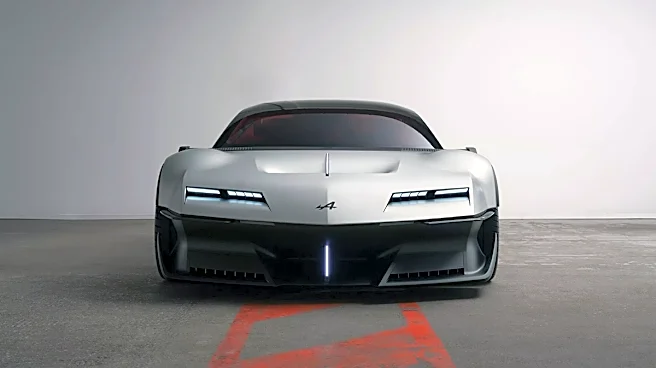
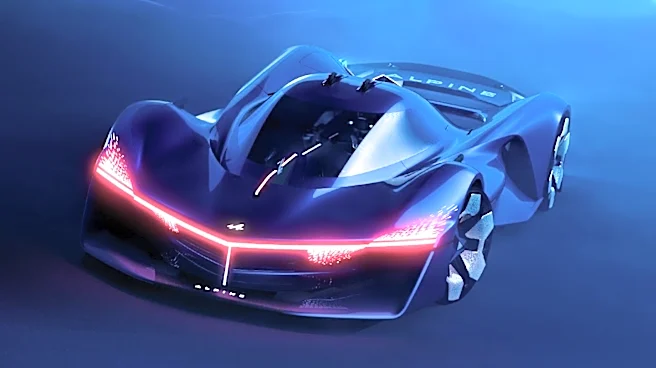
Alpine has introduced the A310 Vision, a new all-electric concept car that draws inspiration from its classic 1971 A310 sports car. This independent design exercise features an aluminum body, measuring 4.55 meters long, 1.18 meters high, and with a 2.45-meter
wheelbase. Distinctive design elements include pop-down headlights that reveal themselves upon startup, a transparent split rear wing, and a windowless rear section. The interior is characterized by a minimalist aesthetic with retro touches, such as sculpted seats and contrasting colors, and physical controls inspired by hi-fi equipment. The concept was revealed on October 12, coinciding with the 55th anniversary of the original four-cylinder A310 and the 50th anniversary of its V6 version. Alpine designers kept an original A310 in their studio as a reference during the development of this new concept. The A310 Vision is built on Alpine's next-generation platform, though specific technical details regarding its motor and battery specifications have not been disclosed. Alpine explicitly states that this is a one-off design exercise and does not preview a production model.
Why It's Important?
The unveiling of the Alpine A310 Vision is significant as it showcases the brand's commitment to exploring electric vehicle design while honoring its heritage. For the automotive industry, this concept highlights the ongoing trend of manufacturers leveraging their iconic past models to inspire future electric designs, aiming to blend nostalgia with modern technology. This approach can generate considerable interest among car enthusiasts and potential consumers, demonstrating that electric vehicles can possess both performance and aesthetic appeal rooted in automotive history. While not slated for production, the A310 Vision serves as a design study that could influence future Alpine electric models, potentially shaping the brand's design language and technological direction in the evolving EV market. It also underscores the increasing importance of unique and emotionally resonant designs in a competitive electric vehicle landscape, where differentiation beyond just performance metrics is crucial for market success.
What's Next?
As the Alpine A310 Vision is a one-off design concept and not a preview of a production model, there are no immediate plans for its commercialization. However, the design elements and technological approaches explored in the A310 Vision could inform future Alpine electric vehicle projects. The concept's reception will likely be monitored by Alpine to gauge public and industry interest in its design philosophy and its interpretation of classic models for the electric era. This could influence subsequent design studies or even future production vehicle development, particularly concerning the integration of retro styling cues with advanced electric platforms. The use of Alpine's next-generation platform in the concept suggests ongoing development in their EV architecture, which will undoubtedly be utilized in upcoming production electric vehicles, even if the A310 Vision itself remains a concept.
Beyond the Headlines
The Alpine A310 Vision delves into the deeper implications of automotive design in the electric age, particularly the challenge of maintaining brand identity and emotional connection in a rapidly changing technological landscape. By reinterpreting a cult-classic like the A310, Alpine is engaging with the cultural dimension of car design, tapping into nostalgia while simultaneously pushing boundaries with electric propulsion. This approach raises questions about how traditional automotive brands can successfully transition to electric powertrains without losing the 'soul' or heritage that defines them. The concept's emphasis on unique design features like pop-down headlights and a transparent split wing suggests a focus on aesthetic innovation and distinctiveness, which could become increasingly vital as electric vehicle technology becomes more standardized across manufacturers. It also highlights the role of concept cars as platforms for experimentation, allowing designers to explore radical ideas that may eventually trickle down into more conventional production models, influencing the broader design language of the automotive industry.