





What's Happening?
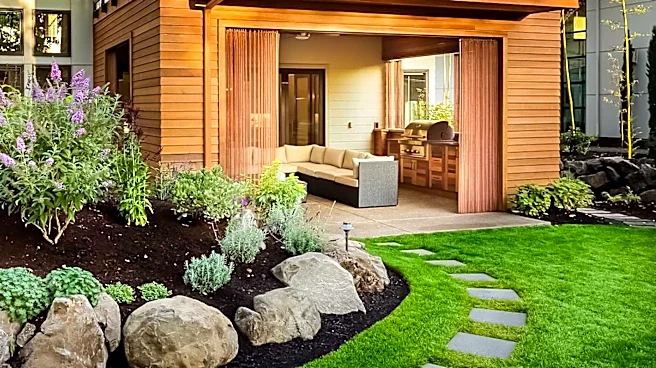
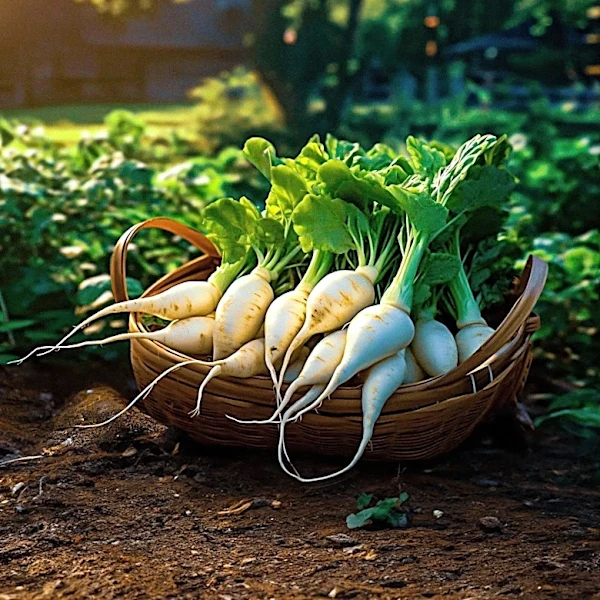
Patio gardens are evolving to integrate edible plants and thoughtful design elements, transforming outdoor spaces into functional and aesthetically pleasing areas. This approach emphasizes using compact edibles such as herbs, salad greens, cherry tomatoes,
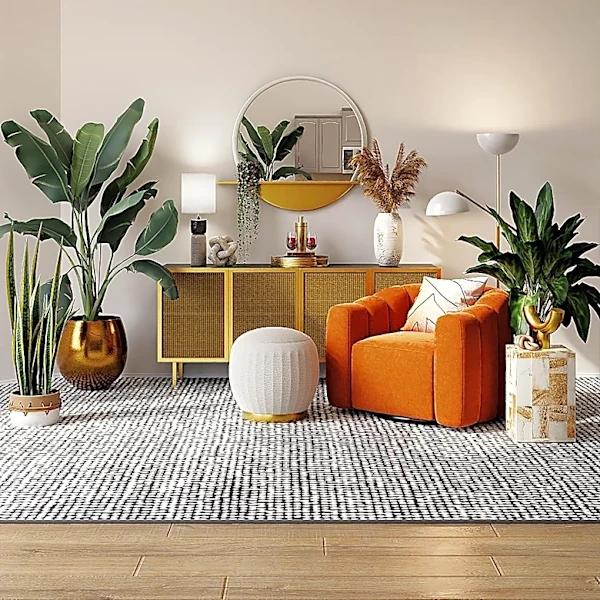
peppers, and radishes in pots that complement the patio's style. Vertical planters and tiered shelves are utilized to maximize space, keeping herbs easily accessible. The design philosophy extends to mixing colorful edibles like Swiss chard or kale with ornamental plants to add texture without disrupting the overall visual appeal. This trend focuses on treating the vegetable garden as an integral part of the patio's design, rather than a separate entity. The goal is to create welcoming, functional, and unique outdoor retreats, regardless of their size, by employing smart use of containers, furniture, lighting, and decorative elements.
Why It's Important?
The integration of edible gardens into patio design signifies a growing trend towards sustainable living and maximizing the utility of outdoor spaces in urban and suburban environments. This shift allows individuals to cultivate fresh produce in limited areas, promoting food self-sufficiency and reducing reliance on commercial food systems. For U.S. homeowners, this means the potential for fresher ingredients, a deeper connection to their food sources, and a more engaging outdoor living experience. The emphasis on thoughtful design also contributes to increased property values and a more aesthetically pleasing urban landscape. This approach can lead to a reduction in food waste and a greater appreciation for gardening, fostering a healthier lifestyle and potentially influencing local food movements and community gardening initiatives.
What's Next?
The trend of integrating edible gardens into patio designs is expected to continue expanding, with innovations in compact plant varieties and vertical gardening solutions. Manufacturers may introduce more aesthetically pleasing and space-efficient planters and gardening tools tailored for patio use. Educational resources and workshops on urban gardening and small-space farming are likely to become more prevalent, empowering more individuals to adopt these practices. Landscape designers will increasingly incorporate edible elements into their plans, offering clients customized solutions that blend beauty with functionality. This could also lead to a greater demand for drought-tolerant and pest-resistant edible plants suitable for container gardening, further enhancing the sustainability aspect of patio gardens.
Beyond the Headlines
Beyond the immediate benefits of fresh produce and enhanced aesthetics, the rise of edible patio gardens reflects a broader cultural shift towards self-reliance, environmental consciousness, and a desire for more meaningful engagement with nature. This movement challenges traditional notions of gardening as solely a rural or large-scale activity, democratizing access to food production. It also highlights the psychological benefits of gardening, such as stress reduction and increased well-being, by bringing green spaces and the satisfaction of growing one's own food directly into daily life. The practice encourages a deeper understanding of plant life cycles and ecological principles, fostering a sense of stewardship for the environment, even in urban settings. This trend could also inspire community-level initiatives, transforming shared urban spaces into productive and communal edible gardens.