


What's Happening?
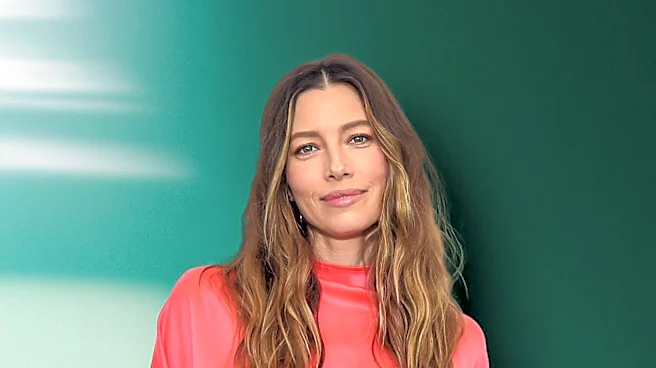
Actress Jessica Biel recently addressed the often-unrealistic expectations surrounding celebrity physiques by sharing her workout routine and a candid perspective on maintaining peak fitness. After a clip from her Prime Video series, 'The Better Sister,'
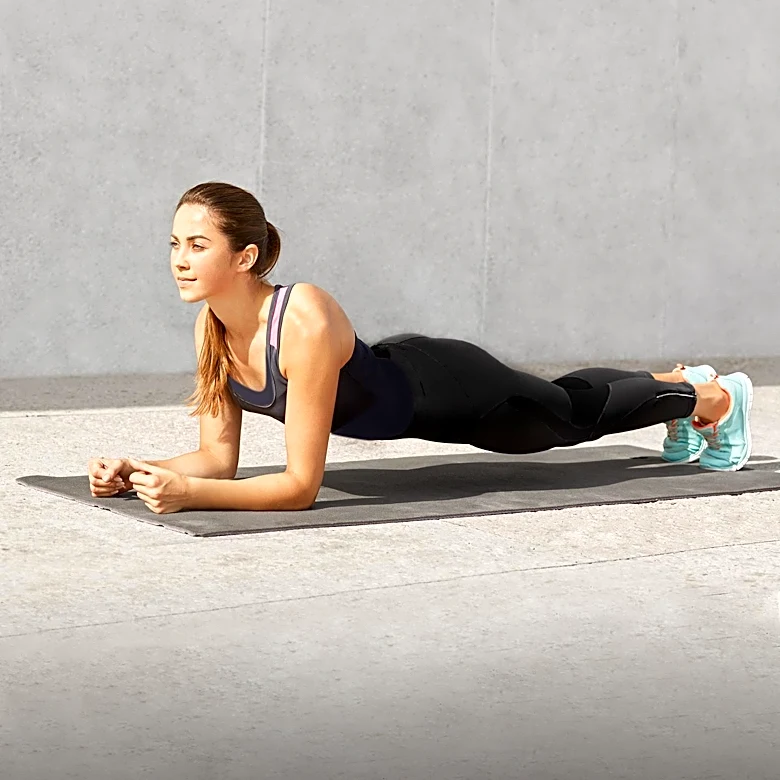
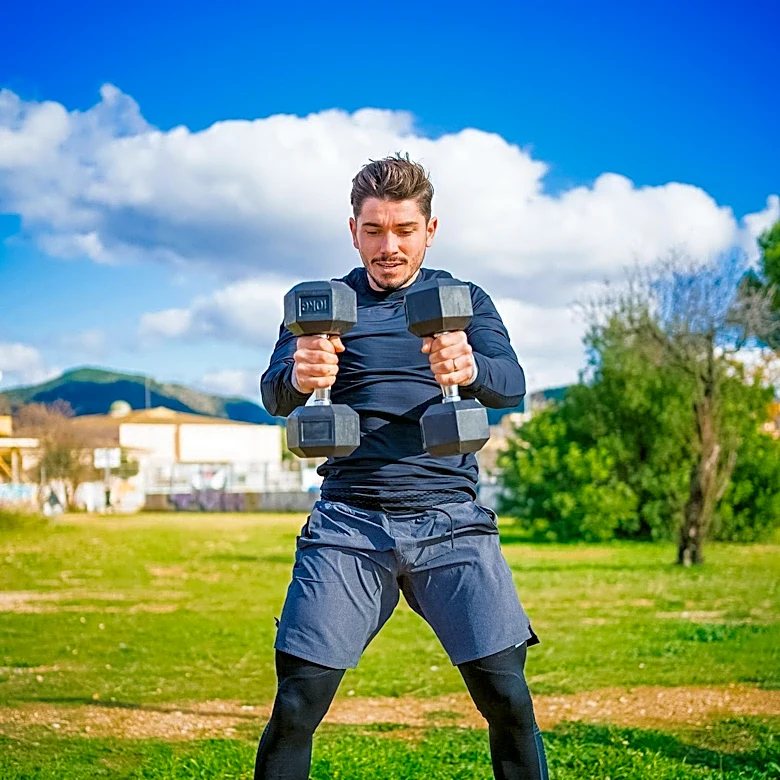
went viral, showcasing her toned physique in a white dress, fans requested her workout regimen. Biel responded by explaining that the 'peak shape' seen in the show is not sustainable long-term without an extremely strict lifestyle regarding nutrition and fitness. She emphasized that even with access to top resources, she cannot maintain that look indefinitely. Her transparency garnered significant praise from viewers who appreciated her 'keeping it real' and advocating for a more realistic approach to fitness, especially for women. Biel also highlighted the importance of prioritizing muscle strength and flexibility as one ages, rather than solely focusing on aesthetic goals or weight loss. She then shared a sample lower body workout routine, which includes dumbbell exercises like hip thrusts and Romanian deadlifts, as well as stability ball curls and banded kickbacks, demonstrating proper form and acknowledging her own physical limitations.
Why It's Important?
Jessica Biel's candid discussion is important because it challenges the often-damaging narrative of unattainable celebrity body standards prevalent in media and social platforms. By openly stating that the 'peak shape' displayed on screen is not maintainable for extended periods, she provides a crucial reality check for the public, particularly women, who may feel pressured to achieve similar physiques. This transparency can help mitigate negative self-perception and foster a healthier mindset towards fitness, shifting the focus from quick fixes and unrealistic ideals to sustainable health and strength. Her emphasis on muscle strength and flexibility as one ages, rather than just aesthetics, promotes a more holistic and long-term view of well-being. This message is particularly relevant in the U.S., where body image issues and the pursuit of idealized appearances are significant societal concerns, often fueled by celebrity culture. By demystifying the effort behind celebrity fitness, Biel encourages a more grounded and self-compassionate approach to personal health goals, potentially reducing the psychological burden associated with comparing oneself to media portrayals.
What's Next?
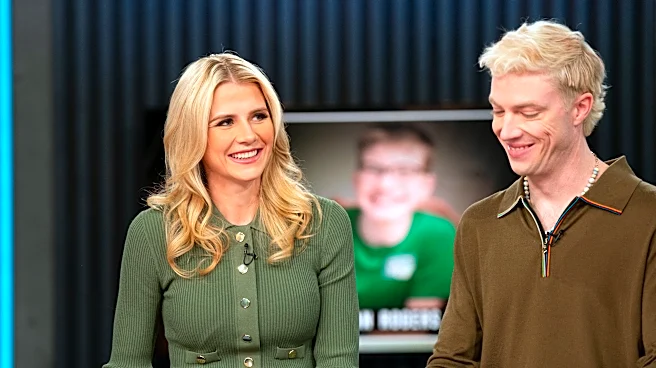
Following Jessica Biel's viral video, it is likely that her message of realistic fitness expectations will continue to resonate, potentially influencing broader conversations around body image and celebrity culture. Her candor may encourage other public figures to share similar insights, fostering a more transparent and authentic dialogue about health and wellness. For individuals inspired by her approach, there might be an increased interest in sustainable fitness routines that prioritize long-term strength and flexibility over temporary aesthetic goals. Biel's longtime trainer, Ben Bruno, offers fitness programs, and her pilates and fitness coach, Ashley Brown, taught her the specific routine she shared, suggesting that more accessible and realistic fitness guidance could gain traction. This could lead to a greater demand for fitness programs that emphasize health and longevity rather than extreme, short-term transformations. The discussion could also prompt media outlets and social media platforms to re-evaluate how they portray celebrity fitness, potentially leading to more balanced and responsible content that highlights the effort and reality behind such physiques.
Beyond the Headlines
Jessica Biel's intervention goes beyond a simple workout reveal; it touches upon the ethical implications of media representation and the psychological impact of idealized body images. In an era dominated by social media and curated online personas, her honesty serves as a powerful counter-narrative to the often-unrealistic standards perpetuated by celebrity culture. This development could contribute to a broader cultural shift towards body positivity and self-acceptance, encouraging individuals to focus on personal health and well-being rather than striving for unattainable ideals. The long-term implications could include a re-evaluation of fitness marketing strategies, moving away from 'quick fix' solutions towards more sustainable and health-oriented approaches. Furthermore, it highlights the responsibility of public figures to use their platforms to promote realistic expectations and healthy attitudes, potentially fostering a more compassionate and understanding societal dialogue about physical appearance and fitness. This could also empower individuals to challenge the notion that constant 'peak fitness' is a prerequisite for self-worth, promoting a more balanced and realistic view of the human body's capabilities and changes over time.