






What's Happening?
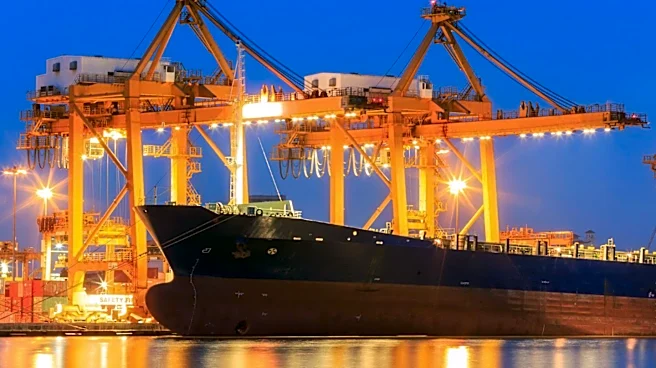
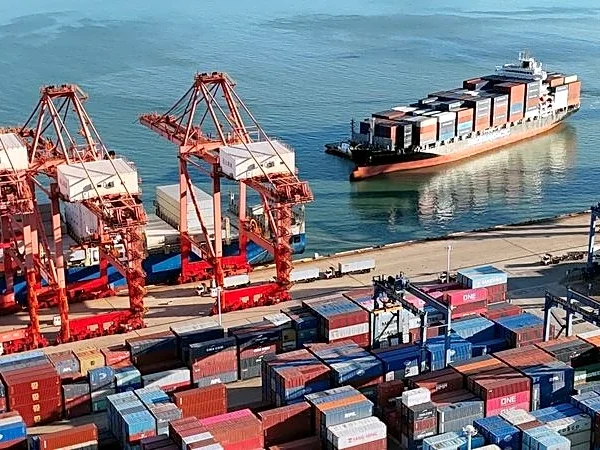
Ukraine's oilseed processing industry, a key driver of agricultural exports, is facing significant pressure due to disruptions in maritime logistics. The shift from deep-water ports to the Danube, rail, and western borders has substantially increased
transport, insurance, transshipment, and storage costs. UkrAgroConsult notes that processing profitability now heavily relies on plant efficiency and access to stable export corridors for both oil and meal. Sunflower oil is the most affected segment, with restricted exports leading to product accumulation, lower plant utilization, and reduced demand for sunflower seeds. This pressure is reflected in domestic price dynamics, as higher logistics costs and reduced crushing activity are passed on to seed bids, narrowing farmers' margins. Maritime disruptions have also reshaped export geography; while India and China were significant markets before the war, the EU has become the dominant destination, taking over half of Ukrainian sunflower oil exports, primarily due to the availability of shorter, overland routes. Total vegetable oil exports from July through October 28 reached about 1.26 million tons, an 18% decrease year-on-year, with sunflower oil accounting for most of the decline.
Why It's Important?
The challenges facing Ukraine's vegetable oil exports have significant implications for global food markets and U.S. agricultural interests. Ukraine is a major producer and exporter of sunflower oil, and reduced supply can contribute to global price volatility for edible oils, affecting consumers and food manufacturers worldwide, including in the U.S. The shift in export geography, with Ukraine losing efficient access to distant markets like India and China, could create opportunities for other major vegetable oil exporters, potentially including the U.S., to fill the supply gap. However, it also highlights the fragility of global food supply chains and the economic impact of geopolitical conflicts. For the U.S., a stable and economically viable Ukraine is a strategic interest, and the disruption to its agricultural sector undermines its economic resilience. The increased costs and reduced profitability for Ukrainian farmers could also lead to long-term impacts on agricultural production, further affecting global supply. The situation underscores the need for international efforts to ensure safe and efficient trade routes for agricultural commodities.
What's Next?
The temporary priority regime for vegetable oil exports may offer some short-term relief by reducing pressure on stocks and supporting plant utilization. However, UkrAgroConsult emphasizes that this administrative priority does not address the fundamental physical constraints, such as the lack of additional vessels, tank wagons, terminals, or safe navigation. Sustainable recovery for Ukraine's vegetable oil exports will depend on restoring access to distant markets, improving maritime logistics, and ensuring that both oil and meal can be exported together efficiently. This will likely require international cooperation to secure Black Sea shipping routes or develop alternative, cost-effective transport infrastructure. The long-term impact could see a continued shift in global trade patterns for vegetable oils, with importing countries seeking more diversified and resilient supply sources. The U.S. and other international partners may need to consider further support for Ukraine's agricultural sector to mitigate the economic fallout and ensure global food security.
Beyond the Headlines
The struggle of Ukraine's vegetable oil industry to maintain its export markets reveals deeper vulnerabilities in global food systems exposed by conflict. The reliance on overland routes to the EU, while necessary, fundamentally alters the economics of the sector, favoring proximity over traditional market reach. This could lead to a permanent reorientation of Ukraine's agricultural trade, with long-term consequences for its economic development and its role in global food supply. For the U.S., this situation highlights the strategic importance of agricultural trade as a tool for economic stability and geopolitical influence. The ethical dimension of ensuring food access during conflict, and the responsibility of the international community to facilitate safe trade, are also brought to the forefront. The long-term implications could include increased investment in regional processing capabilities in other parts of the world to reduce reliance on single-source suppliers, and a greater emphasis on resilient, diversified supply chains to withstand future shocks.