


What's Happening?
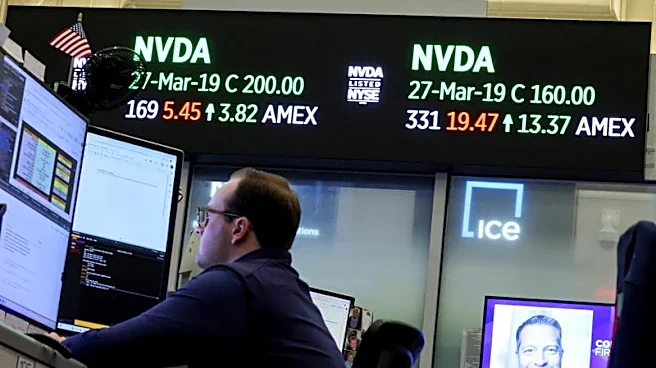
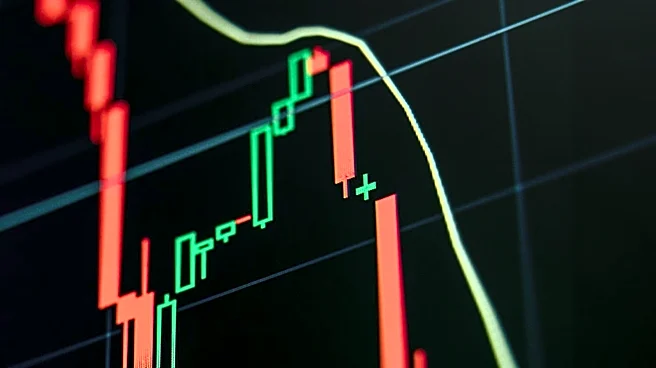
Nvidia shares are experiencing significant downward pressure in premarket trading, contributing to a broader decline in Nasdaq futures and other tech stocks. This follows a period of volatility for newly listed companies, with Anthropic falling below
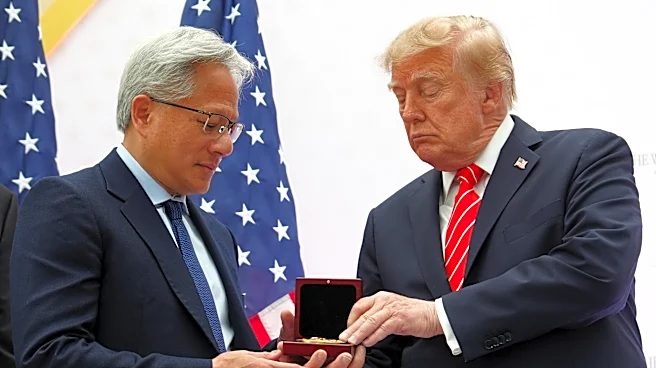
its IPO price and SpaceX also seeing a decline. The tech sell-off has led data center company Nscale to reconsider its $35 billion IPO, potentially opting to remain private. Nasdaq-listed semiconductor group Ambarella plunged almost 40% after providing fourth-quarter revenue guidance that fell significantly below market expectations. Asian technology stocks, including SoftBank, have also tumbled. The renewed focus on Nvidia comes as reinstated CEO Jensen Huang held his first all-staff meeting, apologizing for past actions but defying calls for a succession plan, stating it would create unnecessary hierarchy. This situation has also drawn attention to the White House, with President Trump reportedly becoming increasingly isolated over his decision to reinstate Huang as Nvidia CEO.
Why It's Important?
The current downturn in major tech stocks, including Nvidia, Anthropic, and SpaceX, signals a potential shift in investor sentiment and raises concerns about a broader tech spending squeeze. The volatility highlights the inherent risks associated with high-growth technology companies, particularly those recently public or with significant market valuations. Nvidia's situation, specifically, is critical due to its central role in the AI economy; a lack of clear succession planning for its CEO, Jensen Huang, introduces 'key-man risk' that could undermine long-term investor confidence. This instability in the tech sector could have ripple effects across the U.S. economy, impacting investment strategies, job markets, and the overall perception of technological innovation. The involvement of President Trump in the discussion surrounding Nvidia's leadership also underscores the increasing intersection of technology, business, and politics, potentially influencing regulatory scrutiny and public perception of major corporations.
What's Next?
The immediate future for Nvidia and the broader tech sector will likely involve continued market scrutiny and volatility. Investors will be closely watching for any further statements or actions from Nvidia's leadership regarding succession planning, which could either alleviate or exacerbate current concerns. President Trump's stance on the matter suggests potential political implications, with the possibility of further White House involvement or public statements that could influence market sentiment. Additionally, the upcoming appearance of CEO Jensen Huang before Congress next week will be a critical event, as it could lead to increased pressure for transparency and accountability regarding the company's governance and future direction. The performance of other tech companies, particularly those with recent IPOs or significant market capitalization, will also be a key indicator of whether the current tech sell-off is a temporary correction or a more sustained trend.
Beyond the Headlines
The current tech market turbulence, particularly concerning Nvidia, extends beyond immediate stock performance to touch upon deeper issues of corporate governance, leadership accountability, and the role of political influence in the private sector. Jensen Huang's defiance of succession planning calls, despite apologizing for past actions, highlights a tension between founder-led innovation and the expectations of institutional investors for robust corporate structures. The White House's reported isolation over President Trump's decision to reinstate Huang also points to the complex interplay between political endorsements and corporate leadership, raising questions about potential conflicts of interest or undue influence. This scenario could set precedents for how major tech companies navigate leadership transitions and political pressures in the future, potentially influencing ethical considerations around corporate power and accountability in the rapidly evolving AI landscape. The broader implications could include increased calls for regulatory oversight in the tech sector and a re-evaluation of governance standards for companies deemed critical to national economic and technological interests.