









What's Happening?
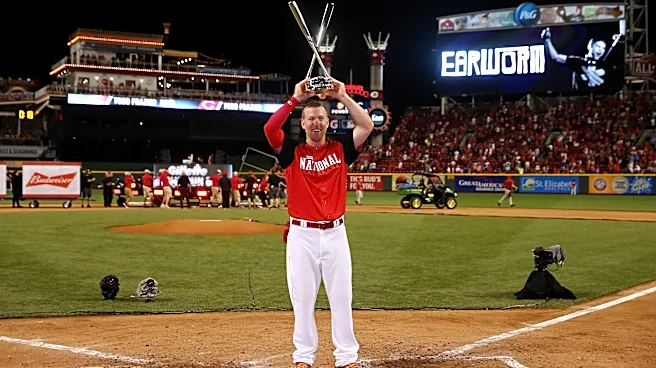
For the first time in over thirty years, ESPN will not be broadcasting the Home Run Derby during Major League Baseball's All-Star Weekend. Instead, Netflix has acquired the rights to stream the event, marking a significant shift in sports broadcasting.
This move is part of a broader strategy by Netflix to expand its presence in the sports industry. The streaming giant has been gradually incorporating sports into its content lineup, having already broadcast NFL games and securing future rights to the Women's World Cup. Netflix's deal with MLB includes broadcasting special events such as Opening Night and the Home Run Derby, as well as securing Japanese broadcast rights for the 2026 World Baseball Classic. The Home Run Derby broadcast will feature a team of notable analysts, including Barry Bonds and Albert Pujols, aiming to leverage Netflix's strengths as a broadcast partner.
Why It's Important?
This development underscores a growing trend of streaming platforms entering the sports broadcasting arena, traditionally dominated by cable networks like ESPN. By securing exclusive rights to high-profile events such as the Home Run Derby, Netflix is positioning itself as a formidable player in sports media. This move could potentially reshape how audiences consume sports content, offering more flexibility and accessibility through streaming services. For MLB, partnering with Netflix could expand its reach to a global audience, tapping into Netflix's extensive subscriber base. This shift also reflects broader changes in media consumption habits, with viewers increasingly favoring on-demand streaming over traditional cable subscriptions.
What's Next?
As Netflix continues to expand its sports offerings, it may seek additional partnerships with other major sports leagues to further diversify its content. The success of the Home Run Derby broadcast could influence future negotiations and deals, potentially leading to more exclusive sports content on streaming platforms. For traditional broadcasters, this trend poses a challenge, as they may need to innovate and adapt to retain viewership. The outcome of Netflix's venture into sports broadcasting could set a precedent for how sports rights are negotiated and distributed in the future.