





What's Happening?
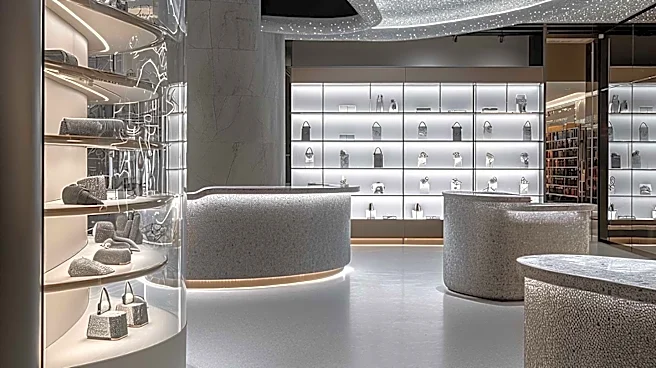
Retail window displays in 2026 are projected to shift towards 'relaxed minimalism' and 'natural storytelling,' according to Gimsun's overview of design trends. This approach aims to reduce visual clutter, creating a clearer focal point for products. Relaxed
minimalism involves using fewer props, which in turn highlights the importance of proportion, joints, edges, and surface finishes. Natural storytelling incorporates textures and forms like wood, woven surfaces, and stone-like finishes to evoke a setting or lifestyle without literal reconstruction. These trends are part of a broader framework that also includes sustainable materials and light digital intervention, all designed to help brands communicate their identity and product focus more effectively. The objective is not to adhere to a single aesthetic but to ensure every element supports the product and the brand's message.
Why It's Important?
This shift in retail display strategy is significant for U.S. businesses as it influences how brands engage with consumers and present their products. By focusing on relaxed minimalism, retailers can create more sophisticated and less overwhelming visual experiences, potentially enhancing product perception and brand value. Natural storytelling can foster a deeper emotional connection with consumers by evoking aspirational lifestyles or environmental consciousness. For visual merchandising teams, these trends provide a framework for making deliberate design choices that align with brand identity and practical constraints like budget and installation. The emphasis on sustainable materials also reflects growing consumer demand for eco-friendly practices, which can impact purchasing decisions and brand loyalty in the U.S. market.
What's Next?
Retailers and visual merchandising teams will likely focus on integrating these trends into their upcoming display strategies. This involves careful planning, starting with defining the product focus and campaign idea before selecting decorative elements. Brands may invest in custom props that serve a specific visual or practical function, rather than just being unique. Early collaboration with fabricators will become crucial to address potential challenges in building and installing displays, ensuring that creative concepts are feasible. Additionally, there will be an increased emphasis on designing for reuse, with components that can be easily dismantled, stored, and updated for subsequent campaigns, reflecting a move towards more sustainable and cost-effective display solutions.
Beyond the Headlines
The adoption of relaxed minimalism and natural storytelling in retail displays points to a broader cultural shift towards intentionality and authenticity. In an increasingly saturated market, consumers may be seeking clarity and genuine connection over excessive stimulation. This trend could also signify a move away from purely transactional retail experiences towards more immersive and narrative-driven environments. Ethically, the focus on sustainable materials challenges brands to genuinely assess their supply chains and production methods, moving beyond superficial 'eco-friendly' labels. This could lead to greater transparency and accountability in the retail sector, influencing consumer expectations for corporate responsibility and potentially driving innovation in sustainable display technologies and materials.