





What's Happening?
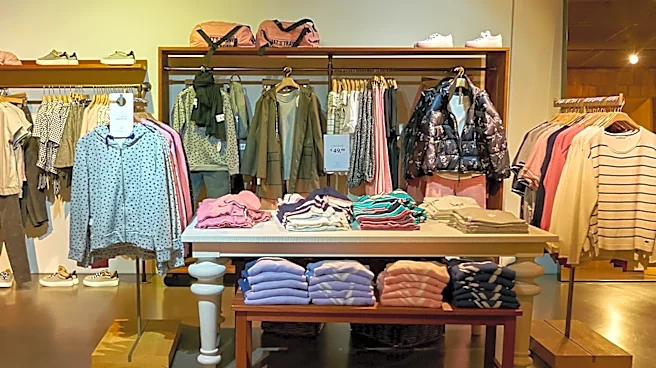
A woman has publicly accused employees at an Aritzia store in Los Angeles of laughing at her while she was trying on clothes. According to a TikTok video shared by the customer, she visited the store for her birthday, intending to purchase new spring
items. She claimed that employees ignored her requests for assistance and, when she sought their opinion on an outfit, she observed them laughing at her. The customer, who described herself as 4'11", stated that the laughter occurred as she was cuffing jeans and standing on her tiptoes to assess the fit. This experience reportedly caused her significant embarrassment, leading her to leave the store after purchasing only one item, despite having liked several others. Aritzia has since responded to the customer's claims in the comment section of her TikTok video, offering an apology and requesting that she contact them directly via Instagram to provide more details about the incident.
Why It's Important?
This incident highlights the critical importance of customer service and employee conduct in the retail industry, particularly for brands like Aritzia that cater to a fashion-conscious clientele. Negative customer experiences, especially those involving perceived ridicule or disrespect, can significantly damage a brand's reputation and customer loyalty. In the age of social media, such incidents can quickly go viral, reaching a broad audience and potentially deterring future customers. For Aritzia, a company that relies on its brand image and in-store experience, allegations of employee misconduct can lead to a decline in sales and a tarnished public perception. The company's prompt, public apology indicates an awareness of the potential impact of such claims and an effort to mitigate negative fallout, underscoring the need for retailers to maintain high standards of employee training and customer interaction.
What's Next?
Following Aritzia's public apology and request for direct communication, the next steps will likely involve an internal investigation by the company into the alleged behavior of its Los Angeles store employees. The customer may engage with Aritzia privately to provide further details, which could lead to disciplinary actions for the involved staff or a review of customer service training protocols. The outcome of this internal process, and whether it is communicated publicly, could influence how the brand is perceived moving forward. Other customers who have had similar experiences might also come forward, potentially amplifying the issue. Retail industry observers will be watching to see how Aritzia handles this situation, as it could set a precedent for how fashion brands address customer complaints regarding employee conduct in the digital age.
Beyond the Headlines
This incident touches upon broader societal issues related to body image, customer vulnerability, and the power dynamics within retail environments. The customer's specific mention of her height and the context of employees laughing at her while she adjusted clothing highlights the potential for retail interactions to inadvertently or intentionally create feelings of insecurity. For individuals, shopping can be a personal and sometimes vulnerable experience, making respectful and empathetic staff crucial. From a business ethics perspective, the incident raises questions about corporate responsibility in fostering an inclusive and respectful environment for all customers, regardless of their physical attributes. It also underscores the evolving role of social media as a platform for consumers to voice grievances and hold companies accountable, shifting the balance of power in customer service interactions.