





What's Happening?
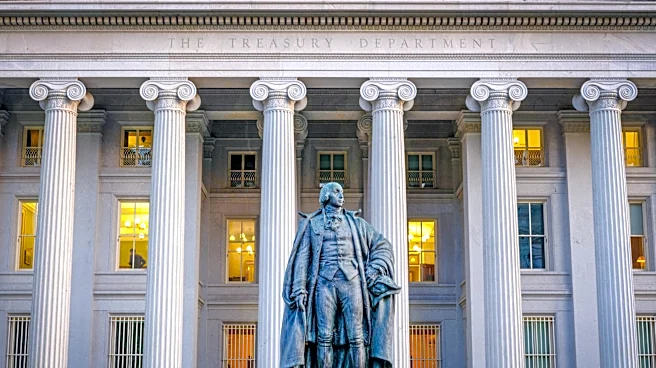
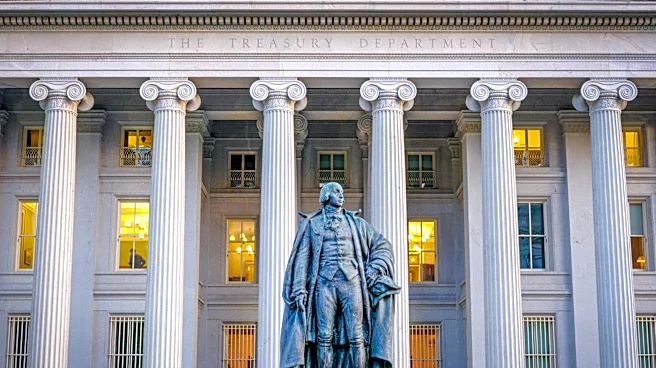
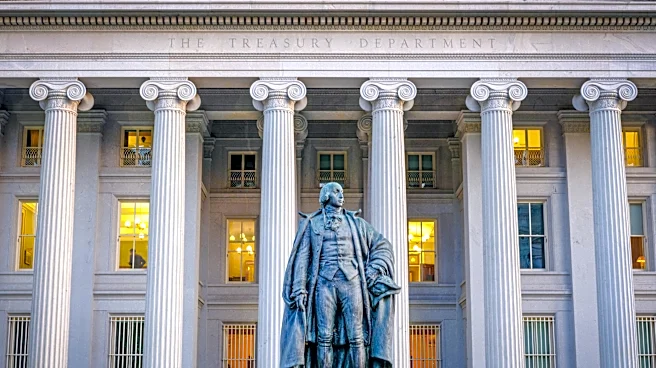
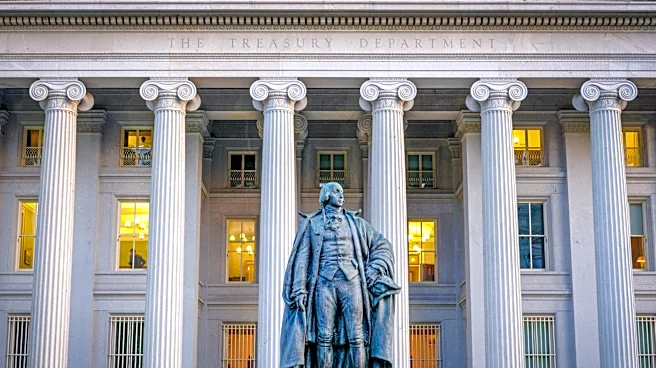
The U.S. Treasury Department has issued an order prohibiting American financial institutions from transmitting funds to or from the cryptocurrency exchange MEXC. This action, taken by FinCEN on November 6th, will become effective 30 days after its publication
in the Federal Register. The Treasury alleges that MEXC facilitated at least $16 billion in illicit transactions between May 2021 and May 2026. Of this amount, nearly $1.5 billion is attributed to Russian sanctions evasion, with transactions involving sanctioned Russian exchanges like Garantex and its successor Grinex continuing as recently as June 2026. The order utilizes section 9714 of the Combating Russian Money Laundering Act. The Treasury also stated that MEXC's alleged illicit transactions involved entities linked to Iran and North Korea, emphasizing a clear message that financial institutions cannot support sanctioned regimes and maintain access to the U.S. financial system.
Why It's Important?
This action by the U.S. Treasury underscores the government's intensified efforts to combat illicit finance within the cryptocurrency ecosystem and enforce sanctions against adversarial nations. By cutting off MEXC from the U.S. financial system, the Treasury aims to disrupt financial flows that could support activities detrimental to national security and foreign policy interests. This move sends a strong signal to other cryptocurrency exchanges globally about the severe consequences of failing to implement robust Anti-Money Laundering (AML) and Know Your Customer (KYC) protocols. It highlights the U.S. government's commitment to extending its regulatory reach into the digital asset space to prevent sanctions evasion and the financing of illicit activities, thereby impacting the operational landscape for crypto firms worldwide that interact with U.S. financial institutions.
What's Next?
U.S. financial institutions will be required to cease all transactions with MEXC within 30 days of the order's publication. This will likely lead to MEXC re-evaluating its compliance measures and potentially restricting access for U.S. users or implementing stricter KYC/AML policies to avoid further sanctions. Other cryptocurrency exchanges may face increased scrutiny from U.S. regulators, prompting them to review and enhance their own compliance frameworks to ensure they are not inadvertently facilitating illicit transactions. The Treasury Department is expected to continue monitoring the crypto landscape for similar activities and may take further enforcement actions against other entities found to be in violation of U.S. sanctions or anti-money laundering laws. This action could also spur international cooperation on crypto regulation and enforcement.
Beyond the Headlines
This enforcement action against MEXC highlights a broader challenge in the rapidly evolving digital asset space: the tension between financial innovation and regulatory oversight. While cryptocurrencies offer new avenues for financial transactions, they also present opportunities for illicit actors to circumvent traditional financial controls. The Treasury's move reinforces the principle that the U.S. government will leverage its financial power to ensure compliance with its sanctions regimes, regardless of the technology used. This could lead to a more bifurcated global crypto market, where exchanges adhering to stringent compliance standards operate within regulated frameworks, while others face isolation from major financial systems. The incident also serves as a cautionary tale for individual crypto users, emphasizing the importance of choosing platforms with robust regulatory compliance to avoid potential asset freezes or other disruptions.