





What's Happening?
After breast implant surgery, patients must adhere to a structured recovery timeline before resuming weightlifting to ensure proper healing and optimal results. The initial week involves strict rest, minimizing arm movement and physical strain. Weeks
two to three allow for light lower body activity, but upper body exercises remain restricted. From weeks four to six, light workouts can begin, with lower body training becoming more consistent, though upper body movements, especially those involving pectoralis muscles, are still limited. Typically, after six weeks, a gradual reintroduction to strength training is possible, starting with lighter weights and focusing on proper form. If implants are placed under the muscle, recovery may take longer due to direct chest muscle involvement and potential impact on implant positioning.
Why It's Important?
Adhering to these post-operative guidelines is crucial for preventing complications such as implant displacement, delayed healing, or compromised aesthetic outcomes. Rushing back into heavy lifting can put undue pressure on healing tissues and incisions, potentially leading to discomfort or the need for corrective procedures. The distinction between under-the-muscle and over-the-muscle implant placement is significant, as the former requires even greater caution due to the direct involvement of the chest muscle in recovery. Understanding what constitutes 'heavy lifting' in early recovery—even moderate weights that engage chest muscles or create upper body strain—is vital for patient safety. This careful approach ensures that the body has sufficient time to heal internally, allowing for a safe and effective return to pre-surgery activity levels.
What's Next?
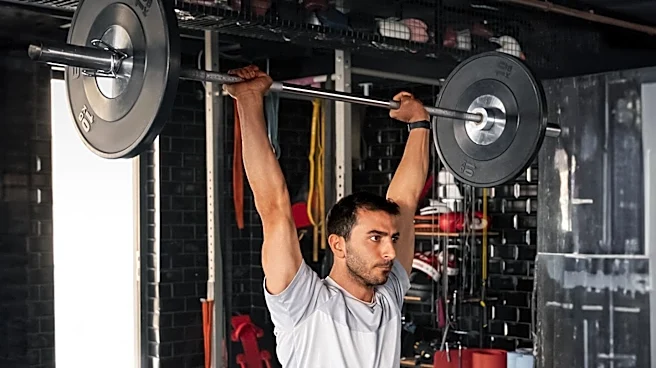
Patients are advised to consult their surgeon for clearance before gradually increasing weight and intensity. The return to weight training should not involve picking up where one left off but rather starting light, avoiding chest-focused exercises initially, and progressing slowly. Listening to the body and recognizing discomfort as a signal to stop and reassess are critical. Exercises like bench presses, push-ups, chest flys, and overhead pressing are typically the last to be reintroduced, often after 6 to 8 weeks, starting with modified versions. Avoiding common mistakes like returning too early, ignoring discomfort, or skipping post-operative guidelines is essential for a smooth recovery and long-term satisfaction with the surgical results.
Beyond the Headlines
The recovery process after breast implant surgery highlights a broader principle in physical rehabilitation: the importance of patience and gradual progression. It underscores that surgical outcomes are not solely dependent on the procedure itself but also on diligent post-operative care and adherence to medical advice. This period can be a test of discipline for individuals accustomed to rigorous fitness routines, requiring a mental shift from pushing limits to prioritizing healing. The experience can also foster a deeper understanding of one's body and its recovery mechanisms. Furthermore, it emphasizes the critical role of clear communication between patient and surgeon, ensuring that expectations are managed and that the return to physical activity is both safe and effective, ultimately contributing to overall well-being and body confidence.