


What's Happening?
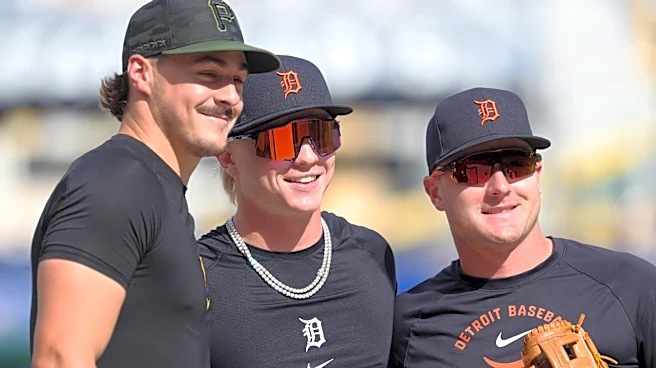
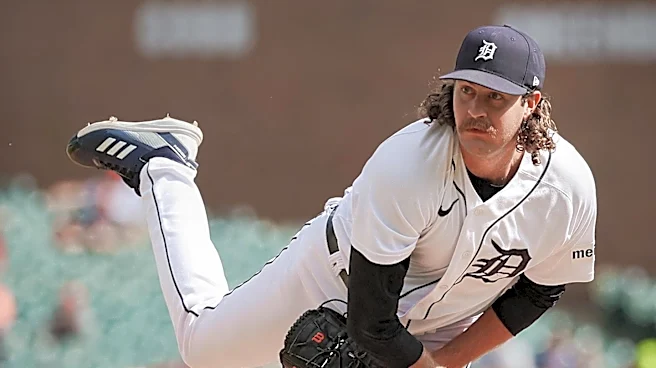
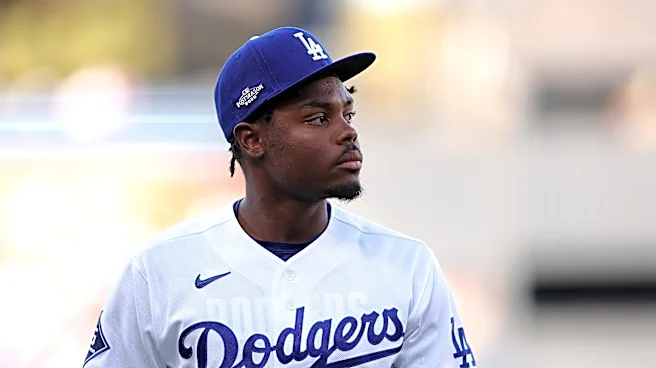
The Detroit Tigers traded pitcher Tarik Skubal to the Los Angeles Dodgers before the 2026 MLB Trade Deadline. In exchange, the Tigers received outfielder Zyhir Hope, who is now Detroit's top prospect, and right-handed pitchers River Ryan (the Dodgers'
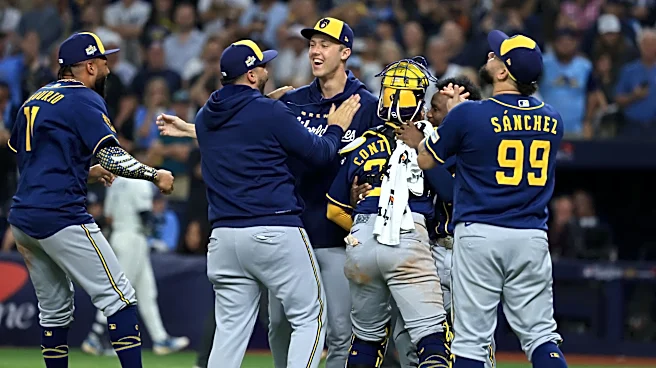
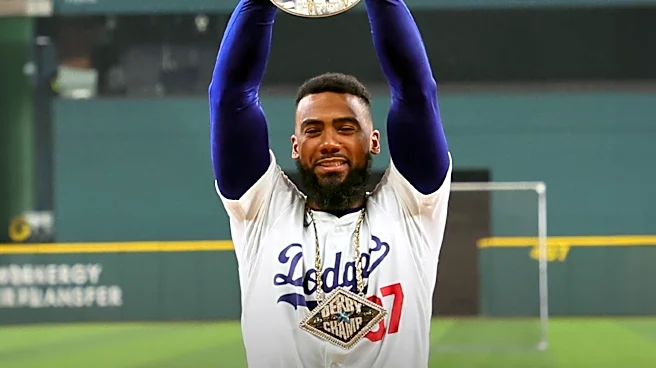
No. 7 prospect at the time) and Brady Smith (the Dodgers' No. 17 prospect). Skubal's 2026 season was interrupted by a six-week absence due to an elbow injury and subsequent surgery. Despite this, he performed well for the Dodgers, achieving a 2.61 ERA, a 1.05 WHIP, and 70 strikeouts over 62 innings pitched in the regular season. He continued his strong performance in the postseason with a 2.45 ERA and 14 strikeouts over 11 innings in two starts. The Milwaukee Brewers had also made an offer for Skubal, proposing infield prospects Luis Peña and Jett Williams, along with outfielder Josh Adamczewski. However, the Tigers sought more, specifically a top position player prospect and a starting pitcher under team control, such as Brewers right-hander Logan Henderson, which Milwaukee declined.
Why It's Important?
This trade significantly impacts the competitive landscape of Major League Baseball, particularly for the Detroit Tigers and Los Angeles Dodgers. For the Tigers, acquiring three promising prospects, including their new top prospect Zyhir Hope, signals a focus on rebuilding and strengthening their farm system for future competitiveness. This move could provide a long-term foundation for the team, albeit at the cost of an immediate impact player. For the Dodgers, acquiring a pitcher of Skubal's caliber, even with a recent injury history, demonstrates their commitment to contending for championships. His performance after the trade, including in the postseason, indicates he was a valuable addition to their rotation. The Brewers' decision not to meet Detroit's demands for Logan Henderson highlights the strategic value teams place on their controlled pitching assets, even when pursuing a high-profile trade target. Skubal is set to become a free agent after the World Series, making his acquisition a short-term rental for the Dodgers but a crucial one for their 2026 playoff run.
What's Next?
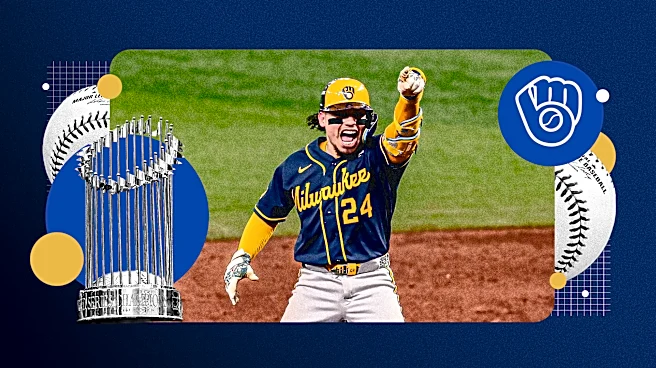
Tarik Skubal is scheduled to become an unrestricted free agent after the World Series, meaning he will be eligible to sign with any team. He is expected to command a significant contract on the open market, though his age (30 at the start of the 2027 MLB season) and recent elbow surgery may influence the final figures. The Los Angeles Dodgers will likely assess their options regarding Skubal, considering his performance and potential long-term fit. The Detroit Tigers will focus on developing the prospects acquired in the trade, integrating Zyhir Hope, River Ryan, and Brady Smith into their system. The Milwaukee Brewers, having opted not to acquire Skubal, will continue with their current pitching rotation, which includes Jacob Misiorowski, Logan Henderson, and Robert Gasser, and will look to build on their 2026 World Series championship. The upcoming free agency period will be critical in determining Skubal's next team and the financial implications for the league.
Beyond the Headlines
The trade of Tarik Skubal and his impending free agency highlight the evolving dynamics of player valuation and team strategy in MLB. The Tigers' decision to trade a proven ace for prospects underscores a broader trend of teams prioritizing long-term sustainability through farm system development over immediate, high-cost talent. This approach can lead to cycles of rebuilding, impacting fan engagement and competitive balance. For players like Skubal, navigating injuries and then performing well in a contract year significantly boosts their market value, but also introduces uncertainty for potential suitors regarding long-term health and consistency. The Brewers' refusal to part with Logan Henderson, despite their pursuit of Skubal, illustrates the strategic importance of young, controlled pitching assets in an era where pitching depth is paramount. This trade also reflects the high stakes of the trade deadline, where teams must weigh immediate championship aspirations against future organizational health, often leading to difficult decisions with significant financial and competitive ramifications.