








What's Happening?
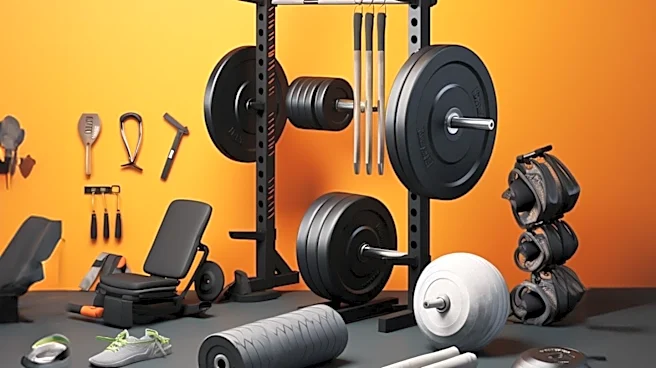
Consumer Reports has released findings on essential and affordable home gym equipment, aiming to help individuals achieve fitness goals without the expense of a gym membership. The report highlights adjustable dumbbells and resistance bands as top recommendations.
Adjustable dumbbells, such as the NordicTrack 55-pound Select-A-Weight Dumbbells and the Core Home Fitness Adjustable Dumbbell Set (both under $400), are praised for their space-saving design and versatility, allowing users to change resistance levels quickly. Resistance bands, including the Whatafit Resistance Bands (a CR Smart Buy at approximately $28 for five bands), are noted for being lightweight, portable, and effective for building strength and endurance. The report also advises checking resistance bands regularly for wear and tear and suggests workout headphones that are secure, sweat-resistant, and offer good sound quality, mentioning Apple AirPods Pro and Beats Fit Pro as examples. The initiative by Consumer Reports provides practical advice for setting up an effective home workout space on a budget.
Why It's Important?
This guidance from Consumer Reports is significant for the U.S. consumer market, particularly for individuals seeking cost-effective health and wellness solutions. With rising living costs and gym membership fees, the ability to create an efficient home gym for under $400 offers a viable alternative, potentially democratizing access to fitness. The emphasis on versatile equipment like adjustable dumbbells and resistance bands addresses common barriers to exercise, such as limited space and budget constraints. This trend could impact the fitness industry by shifting consumer spending from traditional gym memberships towards home equipment purchases, benefiting manufacturers of affordable and multi-functional fitness gear. Furthermore, by promoting at-home fitness, Consumer Reports contributes to public health by encouraging physical activity among a broader demographic, including those who might otherwise be deterred by the cost or inconvenience of commercial gyms.
What's Next?
Consumers are likely to see an increased focus on value and versatility in the home fitness equipment market. Manufacturers may respond by developing more innovative, space-saving, and multi-functional products to meet the demand for affordable home gym solutions. Retailers could feature more bundled deals or promotions on recommended items like adjustable dumbbells and resistance bands. Additionally, fitness content creators and platforms might expand their offerings to include more routines specifically designed for limited equipment and space, further supporting the at-home fitness trend. As more individuals adopt these cost-effective methods, there could be a continued re-evaluation of the necessity and value proposition of traditional gym memberships, potentially leading to shifts in business models within the broader fitness industry.
Beyond the Headlines
The shift towards affordable home gym essentials reflects a broader cultural movement towards self-sufficiency and personalized wellness. This trend extends beyond mere cost savings, touching upon aspects of convenience, privacy, and the ability to integrate fitness seamlessly into daily life. The emphasis on equipment that is both effective and space-efficient highlights a growing awareness of urban living constraints and the desire for minimalist yet functional solutions. Ethically, this movement promotes accessibility to health resources, potentially reducing health disparities by making exercise more attainable for diverse socioeconomic groups. Long-term, this could foster a more ingrained culture of personal fitness management, where individuals are empowered to take charge of their physical well-being with readily available tools, rather than relying solely on external institutions.