






What's Happening?
Malaysia's trade with the United States has seen significant growth, with total trade increasing by 39.6% to RM378.70 billion in the first nine months of this year, according to Investment, Trade and Industry Minister Datuk Seri Johari Abdul Ghani. Exports
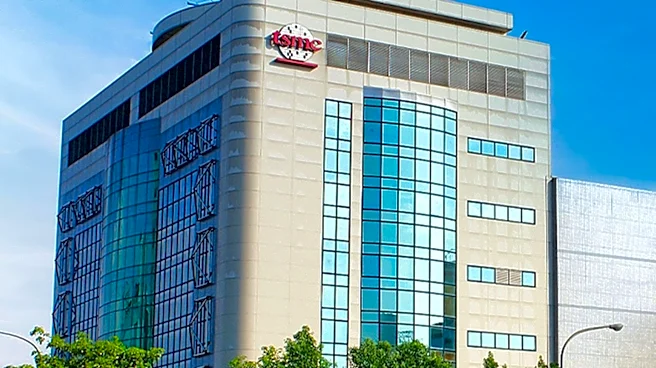
to the U.S. surged by 69.1% to RM282.07 billion during the same period. This growth is primarily attributed to strong demand for electrical and electronics (E&E) products, particularly semiconductors, which benefit from Malaysia's exemption from additional U.S. tariffs on most E&E products. The E&E sector accounts for approximately 64.2% of Malaysia's total exports to the U.S., with semiconductors making up 44% of these E&E exports. However, certain Malaysian industries, such as rubber gloves, furniture, and medical devices, have experienced declines in exports to the U.S. due to additional tariffs, forcing them to absorb costs or offer discounts to maintain market access.
Why It's Important?
This development highlights the complex and often contradictory nature of global trade relations, where overall trade figures can mask underlying challenges for specific sectors. For the U.S., Malaysia's role as a key supplier of E&E products, especially semiconductors, is crucial for its supply chains, particularly with the rapid expansion of artificial intelligence technology and data centers. The exemption of Malaysian E&E products from additional U.S. tariffs underscores the U.S.'s dependence on these imports and its strategic decision to maintain a stable supply in critical technological areas. Conversely, the decline in exports of rubber gloves, furniture, and medical devices from Malaysia to the U.S. due to tariffs indicates the direct impact of trade policies on specific industries and their ability to compete in the U.S. market. This situation forces Malaysian exporters in affected sectors to seek alternative markets, demonstrating the ripple effect of tariff implementation on global trade diversification strategies.
What's Next?
Malaysia's Ministry of Investment, Trade and Industry plans to continue monitoring developments in U.S. trade policy and implement proactive measures to protect Malaysian exporters, especially micro, small, and medium enterprises (MSMEs), from the impact of tariffs. This includes pursuing greater market access and opening new markets through various free trade agreements (FTAs). The ministry is also exploring non-traditional markets in the Middle East, Africa, Latin America, and South Asia to reduce reliance on existing markets and strengthen the resilience of the country's trade. The growth in exports of rubber gloves, medical devices, and furniture to these alternative markets in the first nine months of 2026 suggests a strategic shift towards market diversification. This proactive approach aims to mitigate external shocks and ensure the continued growth of Malaysian exports despite ongoing trade challenges with the U.S. in specific sectors.
Beyond the Headlines
The situation in Malaysia's trade with the U.S. reveals a broader trend in global commerce where strategic exemptions and targeted tariffs are used as tools to shape international supply chains and foster technological advancement. The U.S.'s decision to exempt Malaysian E&E products from tariffs, while imposing them on other goods, reflects a prioritization of critical technology components like semiconductors, essential for its burgeoning AI and data center industries. This selective application of tariffs can lead to a two-tiered global trade system, where certain sectors are protected or favored due to their strategic importance. For Malaysia, this necessitates a continuous re-evaluation of its trade policies and a push for diversification to avoid over-reliance on any single market or product category. The long-term implications could include a more fragmented global trade landscape, with countries increasingly forming alliances and agreements based on strategic industrial needs rather than broad free trade principles.