






What's Happening?
Portugal presents a diverse array of historical sites that extend beyond popular destinations like Lisbon, Porto, and Sintra. Travelers can explore Roman ruins in Évora, which boasts over 2,000 years of settlement history, including a Roman Temple and a medieval
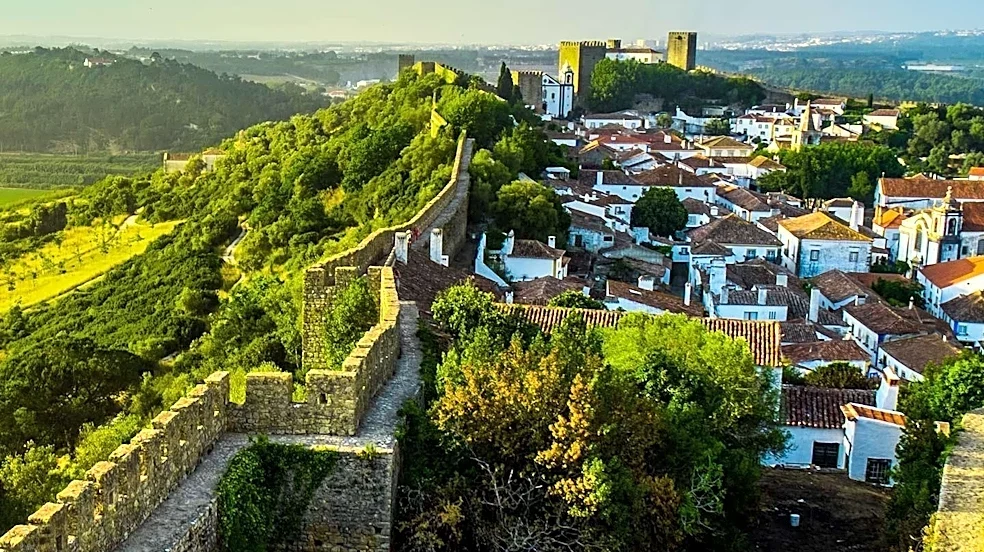
cathedral. Coimbra is home to one of Europe's oldest universities, featuring the Baroque Joanina Library with books from the 16th to 18th centuries. Tomar showcases the legacy of the Knights Templar with its castle and Convent of Christ. The walled town of Óbidos offers a medieval experience, while Elvas, near the Spanish border, features the world's largest bulwarked dry-ditch fortification system. Piódão, a remote mountain village, preserves traditional schist houses and narrow lanes. Tavira, in the Algarve, reveals centuries of Islamic, medieval, and maritime history. These locations provide opportunities for deeper historical immersion, often with options for staying in historic accommodations like former convents or castles.
Why It's Important?
For U.S. travelers seeking cultural enrichment and historical depth, Portugal offers a compelling alternative to more commonly visited European destinations. The country's compact size and well-preserved historical sites allow for a rich and varied travel experience without extensive travel between locations. By venturing beyond the major cities, visitors can gain a more comprehensive understanding of Portugal's multifaceted past, from Roman and Moorish influences to the Knights Templar and maritime expansion. The availability of unique historic accommodations, such as staying in a castle or a former convent, enhances the immersive experience, providing a direct connection to the country's heritage. This focus on historical tourism can appeal to a niche market of U.S. travelers interested in educational and culturally significant journeys, potentially boosting tourism revenue in less-explored regions of Portugal.
What's Next?
As awareness of Portugal's diverse historical offerings grows, there may be an increased interest from U.S. tour operators and travel agencies in developing specialized itineraries that highlight these less-traveled historical sites. This could lead to more direct flight options or enhanced travel packages catering to history enthusiasts. Local Portuguese tourism boards might further promote these destinations through international marketing campaigns, emphasizing the unique experiences available, such as staying in historic properties or exploring UNESCO World Heritage sites. The continued preservation and accessibility of these historical locations will be crucial to sustaining this interest, potentially leading to investments in infrastructure and visitor services to accommodate a growing number of international tourists seeking authentic historical encounters.
Beyond the Headlines
The emphasis on historical tourism in Portugal highlights a broader trend in travel where visitors seek authentic and immersive cultural experiences over conventional sightseeing. By exploring sites like Évora, Tomar, and Piódão, travelers engage with the tangible remnants of past civilizations, fostering a deeper appreciation for global history and architectural heritage. This type of tourism can also contribute to the economic sustainability of smaller, more remote communities by diversifying their local economies beyond traditional industries. Furthermore, the preservation of these historical sites, often through adaptive reuse as hotels or cultural centers, underscores the importance of safeguarding cultural heritage for future generations. It encourages a more thoughtful and responsible approach to travel, where the journey becomes an educational and reflective experience, connecting visitors to the enduring narratives of human civilization.