





What's Happening?
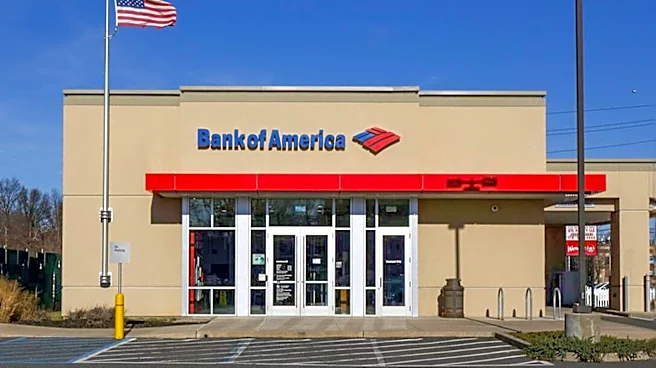
Bank of America (NYSE:BAC) has reached an agreement to settle a class-action lawsuit concerning the alleged opening of customer accounts without proper consent. This settlement addresses claims that the bank initiated accounts for customers without their
explicit approval, a practice that has been observed at other major financial institutions. The terms of the settlement are currently awaiting court approval. Once approved, affected customers will be eligible to receive compensation through a structured claims process. This development adds another layer of legal and compliance costs for Bank of America, which has also been dealing with issues related to anti-money laundering and wealth management oversight. The bank, one of the largest U.S. lenders by market value with a reported market cap of approximately $352.0 billion, provides a wide array of financial services including deposit accounts and credit products, making customer consent and account practices central to its consumer operations.
Why It's Important?
This settlement is significant as it underscores the ongoing scrutiny faced by large financial institutions regarding their consumer practices. For Bank of America, it represents an additional financial burden in terms of legal and compliance expenses, potentially impacting its net margins and efforts to convert its large deposit base and extensive customer relationships into higher fee and wealth revenues. The resolution of this lawsuit could influence investor perception, particularly those who view the bank as leveraging AI and digital tools for efficiency and growth. Increased compliance spending could absorb a larger portion of its quarterly expense base, which was reported at US$18.6 billion. The case also highlights the importance of robust internal controls and ethical sales practices within the banking sector, as unauthorized account openings can erode customer trust and lead to significant regulatory penalties and legal costs. This settlement serves as a reminder to the financial industry about the critical need for transparent and consent-based customer interactions.
What's Next?
The immediate next step involves securing court approval for the settlement terms. Following approval, Bank of America will likely establish a claims process to compensate affected customers. Investors and analysts will be closely monitoring the bank's upcoming quarterly reports for concrete signals regarding recurring legal and remediation charges. They will also be looking for any new conduct restrictions related to sales practices that might be imposed as a result of this settlement. Furthermore, any adjustments management might make to its operating leverage or expense goals, which currently frame the bank's AI and international expansion catalysts, will be under scrutiny. The long-term implications could include enhanced internal audits and stricter oversight of sales incentives to prevent similar issues from arising in the future, potentially leading to a re-evaluation of how the bank manages its extensive customer relationships and growth strategies.
Beyond the Headlines
Beyond the immediate financial and legal implications, this settlement touches upon broader ethical and regulatory dimensions within the banking industry. The recurrence of unauthorized account opening issues across major lenders suggests systemic pressures that may incentivize aggressive sales tactics over customer welfare. This raises questions about corporate culture, performance metrics, and the effectiveness of existing regulatory frameworks in preventing such misconduct. The settlement could prompt a deeper industry-wide reflection on how banks balance growth objectives with ethical responsibilities and consumer protection. It also highlights the ongoing challenge for large institutions to maintain oversight across vast operational networks and ensure compliance with evolving consumer protection laws. The long-term shift could involve a greater emphasis on transparent customer consent mechanisms and a re-evaluation of sales targets that might inadvertently encourage unethical practices, ultimately shaping future regulatory interventions and consumer advocacy efforts.