





What's Happening?
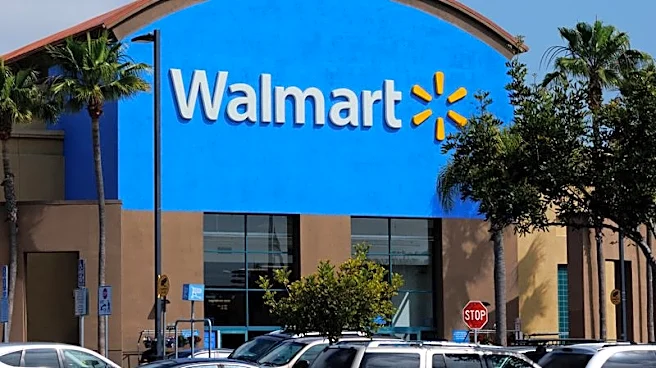
Walmart has received nearly all of the $2.9 billion in tariff refunds it was owed and is directing these funds towards reducing prices and enhancing its stores. This strategic move comes as inflation and rising fuel costs continue to impact its primary
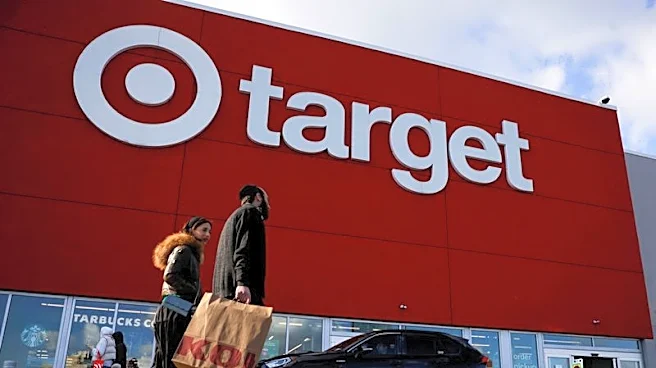
customer base. According to CFO John David Rainey, the substantial refund is being used to lower prices on both groceries and general merchandise. In the last quarter, Walmart implemented 11,000 temporary price rollbacks, a significant increase from the 7,200 rollbacks in the previous quarter. This approach mirrors a similar strategy adopted by Target, which has also reduced prices on 10,000 items over the past year. The company aims to alleviate financial pressure on its shoppers by making essential goods more affordable and improving the shopping experience through store upgrades.
Why It's Important?
Walmart's decision to reinvest its $2.9 billion tariff refund into price cuts and store improvements has significant implications for the U.S. retail sector and consumer spending. By lowering prices, Walmart directly addresses the challenges of inflation and high fuel costs, which have been squeezing household budgets across the country. This move could provide much-needed relief to millions of American consumers, particularly those in lower and middle-income brackets who are Walmart's core demographic. The increased competition from price reductions by major retailers like Walmart and Target could also force other retailers to follow suit, potentially leading to a broader deflationary trend in certain consumer goods categories. Furthermore, the investment in store upgrades signals a commitment to enhancing the in-store shopping experience, which is crucial in an increasingly competitive retail landscape dominated by e-commerce. This strategy could help Walmart maintain its market share and customer loyalty amidst economic uncertainties.
What's Next?
Walmart is expected to continue its strategy of implementing price rollbacks and investing in store improvements, leveraging the remaining tariff refund funds. Consumers can anticipate ongoing price reductions on a wide range of products, particularly groceries and general merchandise, as the company aims to attract and retain customers facing economic pressures. The competitive landscape in the retail sector will likely intensify, with other major retailers potentially responding to Walmart's and Target's price-cutting initiatives to avoid losing market share. This could lead to a sustained period of competitive pricing, benefiting consumers. Additionally, Walmart's focus on store upgrades suggests a long-term commitment to enhancing the physical shopping experience, which may include technological advancements, improved layouts, and better customer service. The success of this strategy will be closely watched as a bellwether for how large retailers adapt to inflationary environments and evolving consumer demands.
Beyond the Headlines
Walmart's utilization of its tariff refund extends beyond immediate price reductions, touching upon deeper economic and social implications. The refund itself highlights the complex and often fluctuating nature of international trade policies and their direct impact on corporate finances and consumer prices. This situation underscores how government policies, such as tariffs, can have ripple effects throughout the supply chain, ultimately influencing the cost of living for everyday Americans. Furthermore, Walmart's strategy reflects a broader corporate responsibility to address economic hardships faced by its customer base, potentially setting a precedent for how large corporations can respond to economic downturns. The emphasis on affordability and value could also reinforce consumer expectations for lower prices, challenging retailers to find efficiencies and innovative ways to manage costs in the long run. This move could also influence public perception of corporate accountability and their role in mitigating economic challenges for the general populace.