





What's Happening?
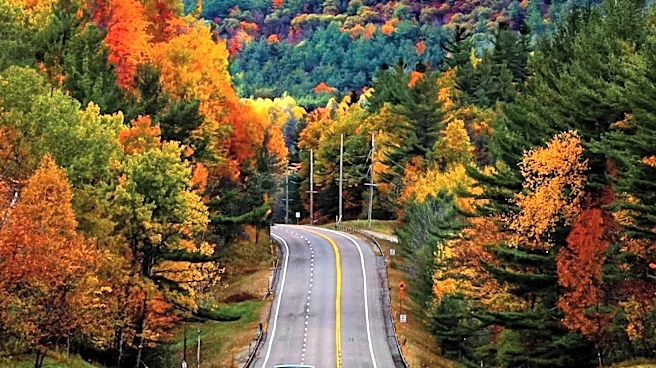
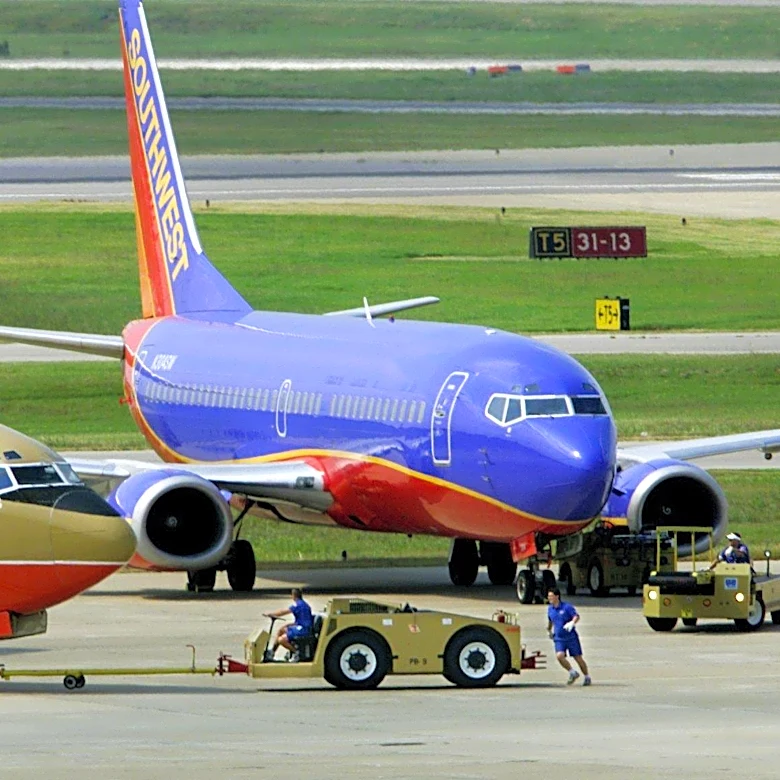
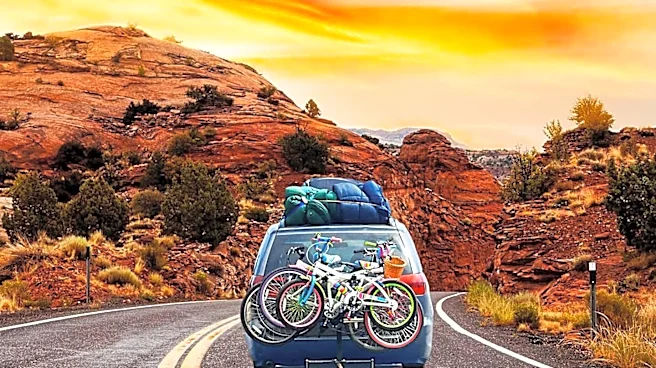
Families are actively seeking budget-friendly summer vacation ideas to manage rising travel costs. The focus is on finding ways to enjoy family breaks without incurring excessive expenses. Strategies include opting for road trips to nearby cities to avoid
airfare, choosing accommodations with kitchens to reduce food costs, and prioritizing free activities. National parks, state parks, and destinations like Washington, D.C., which offer numerous free attractions, are highlighted as prime choices. The goal is to provide children with a fun and memorable summer experience while maintaining financial control. The article emphasizes that a 'budget-friendly' approach varies for each family, focusing on controllable expenses such as transportation, lodging, food, and activities. It also suggests that a cheap hotel does not always equate to a cheap vacation, as additional costs like parking, resort fees, and attraction tickets can quickly accumulate. The core development is a shift towards more strategic and cost-conscious vacation planning among U.S. families.
Why It's Important?
This trend is important for the U.S. travel and tourism industry, as it indicates a significant consumer shift towards value-driven travel. Businesses that can adapt to this demand by offering more affordable packages, discounts on family-oriented activities, or accommodations with self-catering options are likely to gain a competitive advantage. For families, the ability to find budget-friendly options ensures that travel remains accessible, promoting family bonding and mental well-being without financial strain. This also impacts local economies, as destinations offering free or low-cost attractions, such as national parks and museums, may see increased visitor numbers. Conversely, high-cost resorts and attractions that do not offer value-added services or discounts might experience reduced demand. The emphasis on road trips and nearby destinations could also boost regional tourism, benefiting smaller towns and local businesses within driving distance of major population centers. This highlights a broader economic trend where discretionary spending is becoming more scrutinized, leading consumers to make more informed and cost-effective choices.
What's Next?
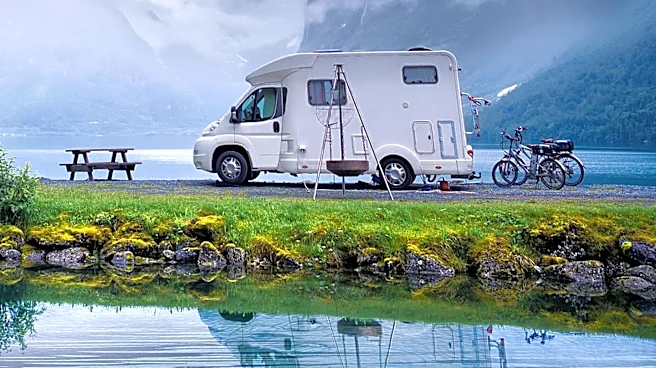
In response to this growing demand, the travel industry is likely to see an increase in promotions for budget-friendly family packages, particularly for off-peak travel or destinations with inherent low-cost appeal. We can anticipate more emphasis on 'staycations' or short-distance road trips, with travel providers and local tourism boards promoting regional attractions. There may also be a rise in demand for accommodations like cabins, condos with kitchens, and campsites, as these options typically offer better value for families. Furthermore, destinations known for free activities, such as national parks and cities with free museums, will likely continue to be popular choices. Travel planning resources will increasingly focus on tips for saving money, such as packing meals, utilizing free public transport, and identifying complimentary entertainment options. This trend could also spur innovation in the travel tech sector, with new apps or platforms designed to help families track and minimize vacation expenses.
Beyond the Headlines
The shift towards budget-friendly family vacations reflects deeper societal and economic implications. It underscores the ongoing financial pressures faced by many American families, where even leisure activities require careful budgeting. This trend could lead to a re-evaluation of what constitutes a 'successful' vacation, moving away from luxury and towards experiences that prioritize quality time and natural exploration over extravagant spending. Ethically, it highlights the importance of accessible leisure, ensuring that families from diverse economic backgrounds can still create lasting memories through travel. Culturally, it might foster a greater appreciation for domestic travel and local attractions, potentially strengthening community ties and supporting regional economies. In the long term, this could lead to a more sustainable travel model, with less reliance on long-haul flights and more focus on environmentally conscious, local adventures. It also challenges the perception that memorable vacations must be expensive, promoting a more resourceful and creative approach to family leisure.