




What's Happening?
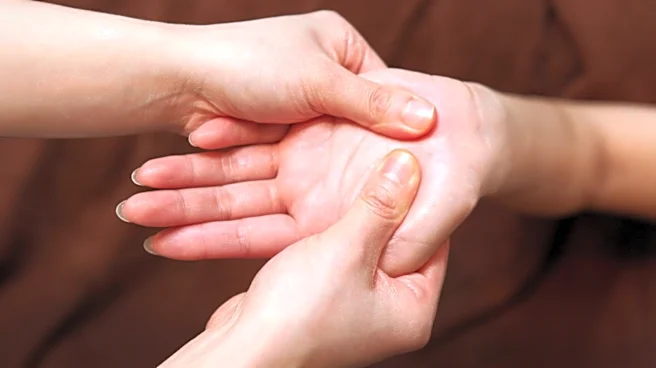
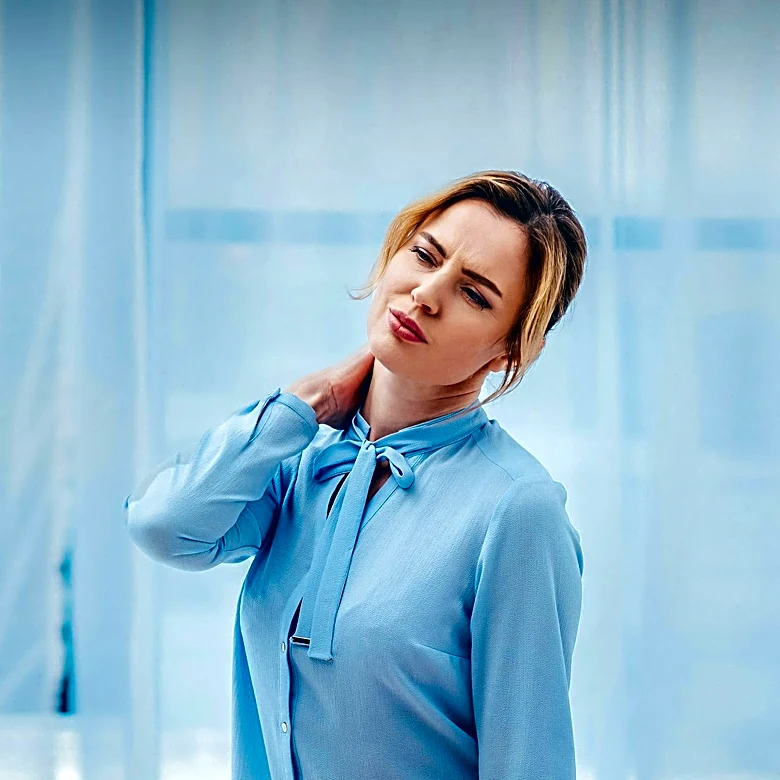
Massage therapy is a hands-on technique involving structured pressure and manipulation of soft tissues to alleviate muscle tightness and stress-related symptoms. It is often used for short-term relief of musculoskeletal discomfort, such as back and neck
pain, and to promote relaxation. Aromatherapy, which uses essential oils, is sometimes combined with massage to enhance relaxation. While both therapies can support comfort and well-being, they are not substitutes for medical diagnosis or treatment. The evidence supporting their effectiveness varies, with massage showing clearer benefits for temporary symptom relief. These therapies are best viewed as complementary to standard medical care.
Why It's Important?
The significance of massage therapy lies in its potential to improve quality of life by reducing stress and muscle tension, which are common issues in modern society. As a complementary therapy, it can enhance the effectiveness of traditional medical treatments, particularly for those dealing with chronic pain or stress-related conditions. However, it is crucial for individuals to understand that while massage can provide temporary relief, it does not address underlying medical conditions. This understanding helps manage expectations and encourages the integration of massage into a broader, medically supervised treatment plan.
What's Next?
For those considering massage therapy, it is important to consult with healthcare professionals to ensure it is appropriate for their specific health conditions. As awareness of complementary therapies grows, there may be increased integration of massage into wellness routines, particularly for stress management and recovery from physical exertion. Future research may continue to explore the specific benefits and limitations of massage and aromatherapy, potentially leading to more targeted applications in clinical settings.
Beyond the Headlines
The growing interest in massage therapy reflects a broader trend towards holistic health approaches that emphasize overall well-being. This trend highlights the importance of considering both physical and mental health in treatment plans. Additionally, the use of natural therapies raises discussions about safety and efficacy, underscoring the need for evidence-based practices in complementary medicine.