



What's Happening?
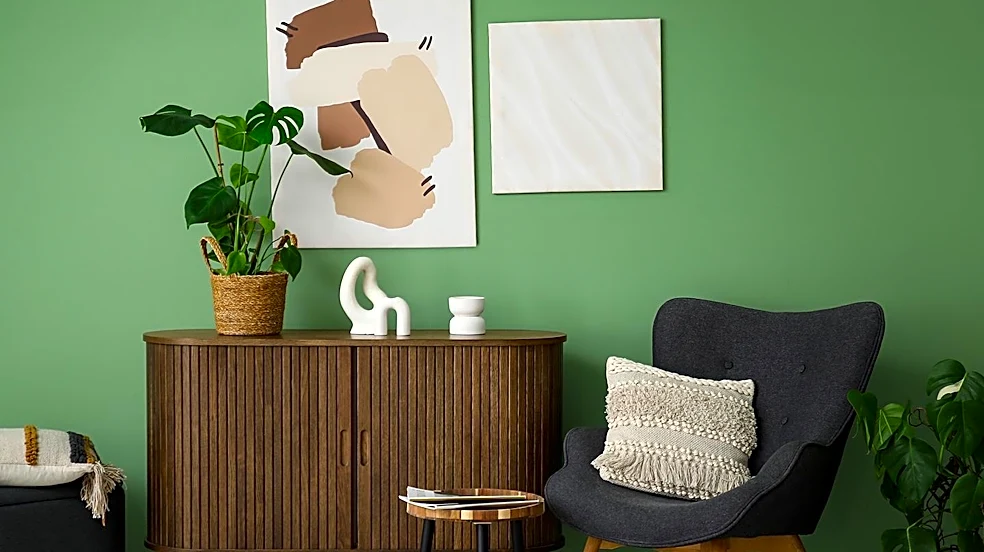
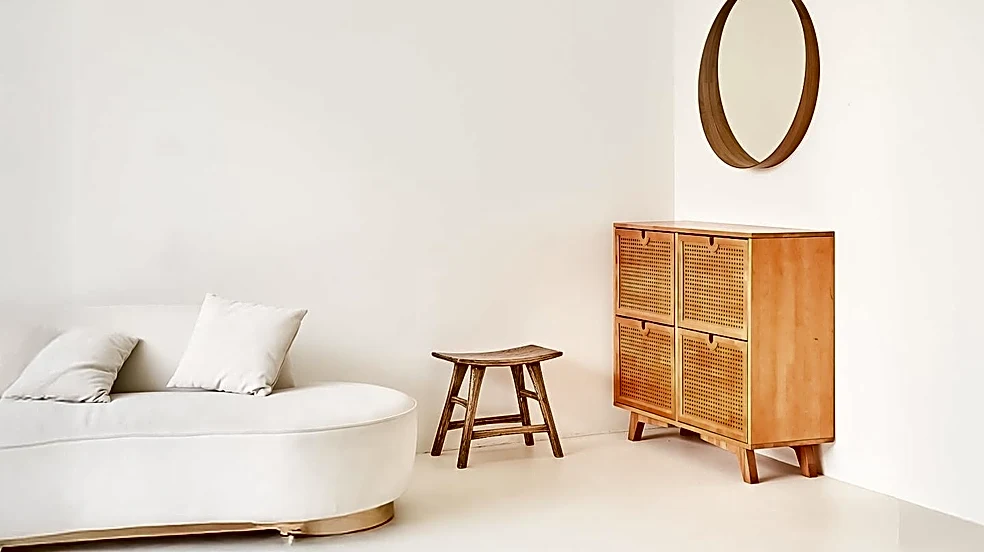
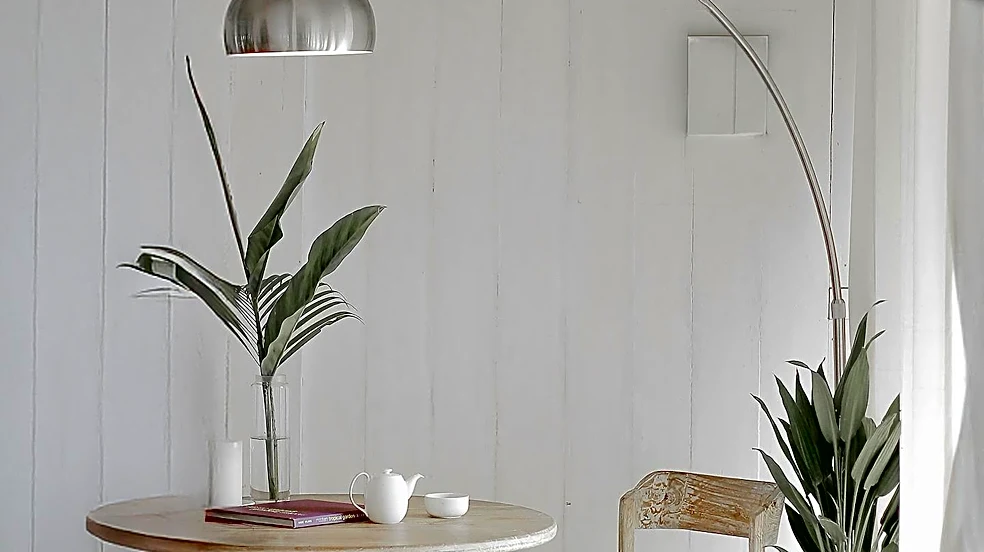
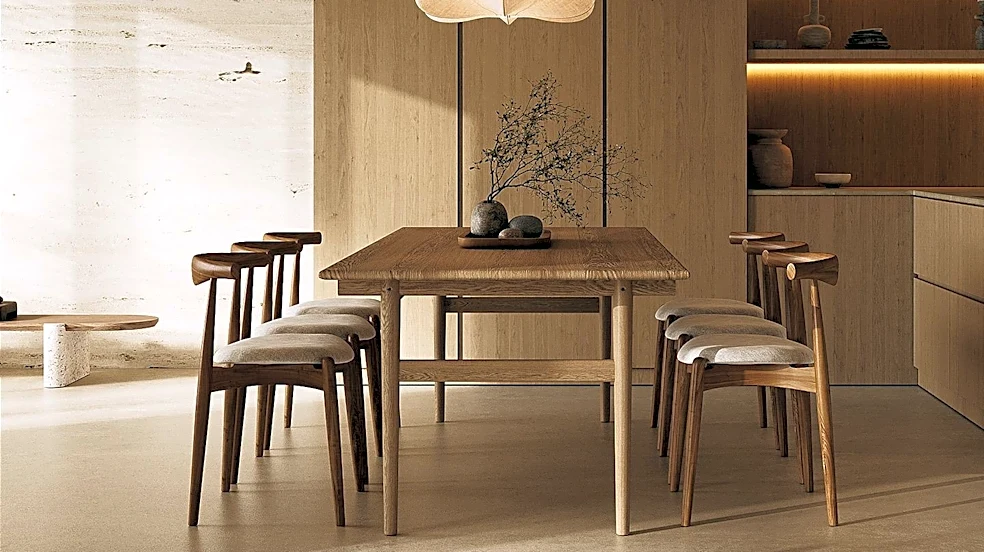
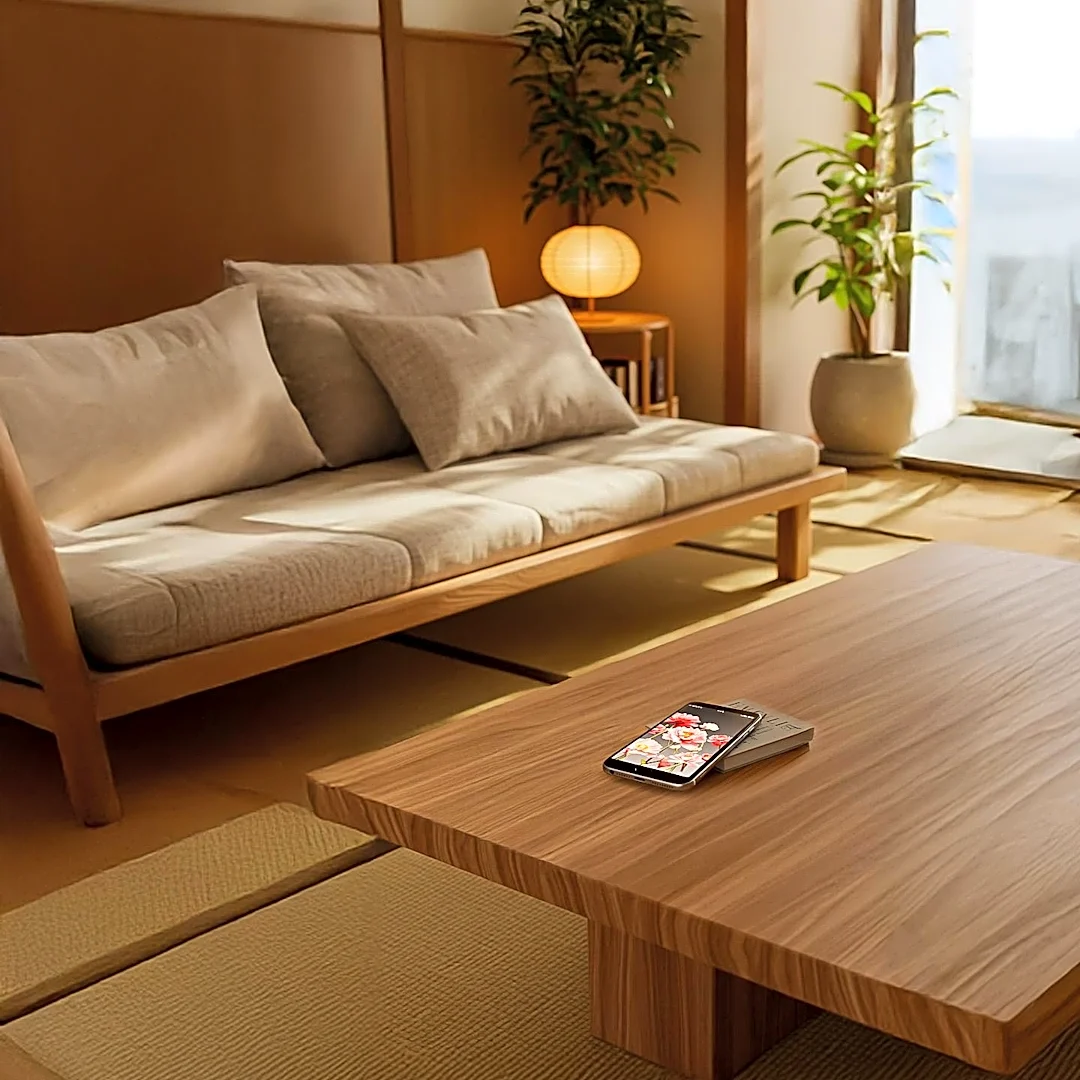
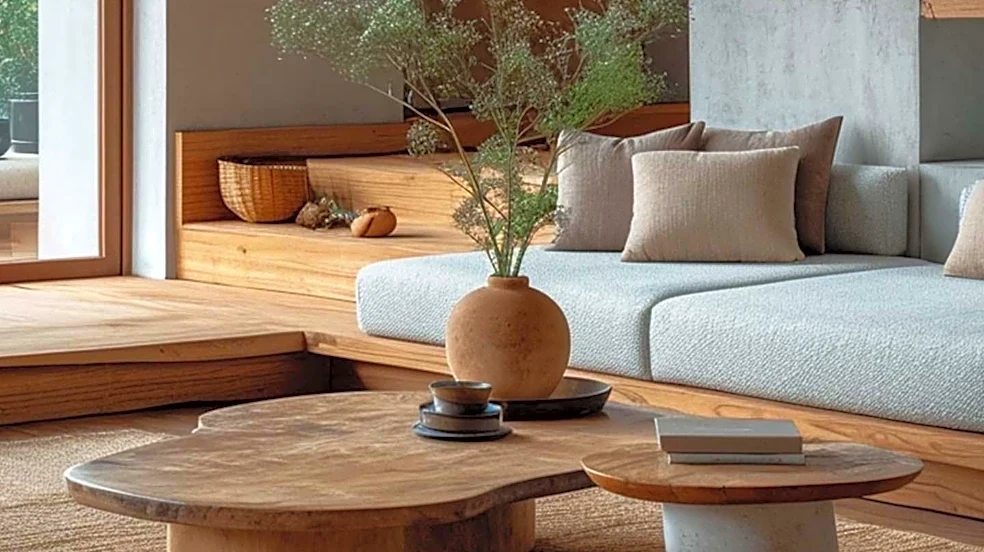
Japandi design, a blend of Japanese minimalism and Scandinavian functionality, is increasingly utilizing statement lighting as a key element. This design philosophy focuses on natural materials and simple shapes to create visually impactful lighting fixtures
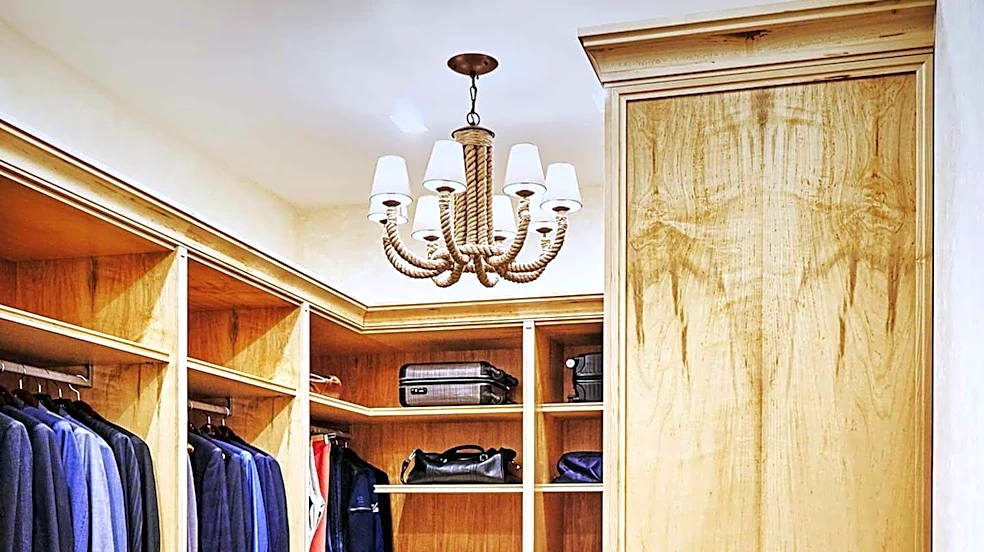
that enhance a space's ambiance without overwhelming it. For instance, hanging wood lights are being incorporated into home offices to provide warmth and modern aesthetic appeal, while wooden chandelier lights or contemporary fixtures are used in reading areas to foster relaxation and creativity. Statement pendant lights, often sculptural in design, contribute to a room's visual composition even when not illuminated, making them integral to the interior design. This approach extends to various rooms, including bedrooms, where statement lights can remain a focal point despite changes in bedding.
Why It's Important?
The growing emphasis on Japandi design and its lighting principles reflects a broader trend in U.S. interior design towards minimalism, natural elements, and functional aesthetics. This shift impacts manufacturers and retailers of lighting fixtures and home furnishings, encouraging them to produce and stock items that align with these design preferences. Consumers are increasingly seeking products that offer both visual appeal and practical utility, moving away from overly ornate or purely decorative items. The focus on natural materials like wood also has implications for sustainable sourcing and manufacturing practices within the industry. Furthermore, the integration of lighting as a central design element, rather than a mere utility, elevates the perceived value and importance of lighting in home decor, potentially driving innovation in lighting technology and design.
What's Next?
As Japandi design continues to gain traction, consumers can expect to see a wider array of lighting options that embody its core principles. This will likely include more wooden pendant lights, minimalist chandeliers, and fixtures made from other natural materials. Retailers may expand their collections to feature more Japandi-inspired pieces, and interior designers will likely incorporate these elements more frequently into their projects. There could also be an increased demand for customizable lighting solutions that allow individuals to tailor fixtures to their specific aesthetic and functional needs. The trend may also influence other areas of home decor, leading to a more cohesive and integrated approach to interior design that prioritizes simplicity, natural beauty, and functionality.
Beyond the Headlines
The adoption of Japandi design, particularly its approach to lighting, signifies a deeper cultural shift towards mindfulness and well-being in living spaces. The emphasis on natural materials and simple forms can contribute to a calmer, more serene home environment, which is increasingly valued in a fast-paced world. This design philosophy encourages a conscious selection of objects, promoting quality over quantity and fostering a connection to nature indoors. Ethically, it may drive demand for sustainably sourced materials and responsible manufacturing, aligning with growing environmental consciousness. The integration of lighting as a sculptural element also blurs the lines between art and utility, suggesting a more holistic view of home furnishings as both functional and aesthetically enriching components of daily life.