








What's Happening?
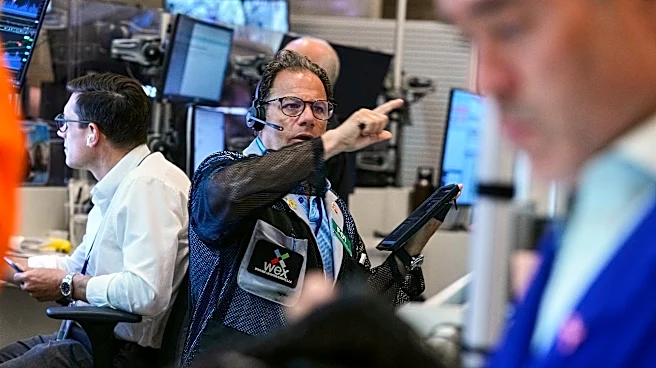
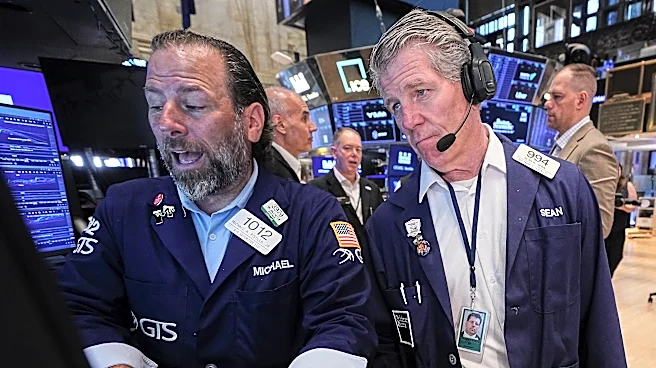
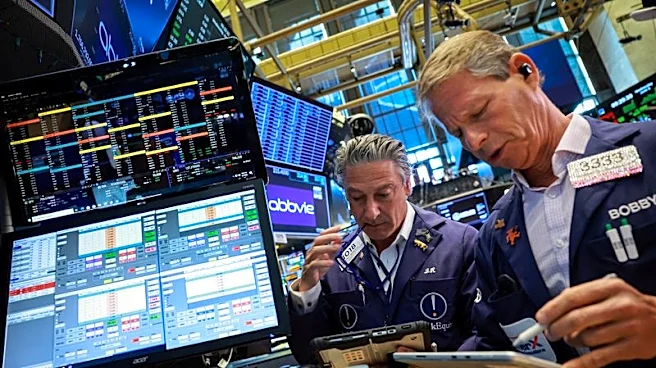
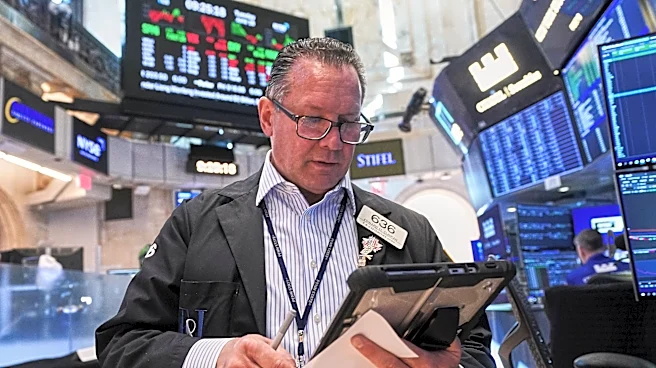
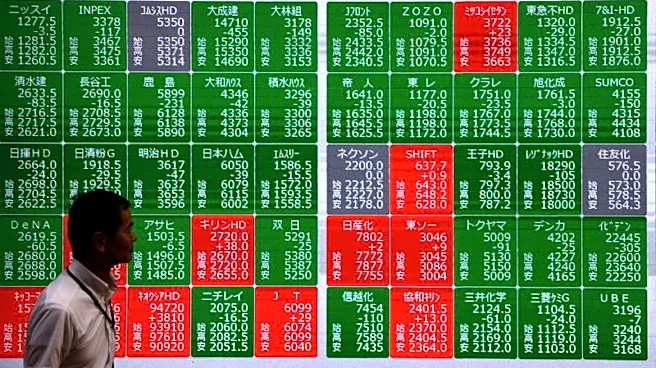
U.S. stocks experienced a significant decline on Wednesday amid speculation that the Federal Reserve may increase interest rates this year to control inflation. The Standard & Poor’s 500 index fell by 1.2%, erasing earlier gains, while the Dow Jones Industrial
Average dropped by 507 points, and the Nasdaq Composite decreased by 1.3%. This market reaction followed the release of projections indicating that nine out of 18 Federal Reserve policymakers anticipate at least one interest rate hike this year. Federal Reserve Chairman Kevin Warsh, in his first news conference, discussed potential changes in how the Fed communicates with financial markets, including the removal of forward guidance. The bond market also reacted, with Treasury yields climbing, reflecting increased expectations for a rate hike.
Why It's Important?
The potential increase in interest rates by the Federal Reserve is significant as it could impact the broader U.S. economy. Higher interest rates are typically used to curb inflation but can also slow economic growth and affect investment prices. The stock market's decline reflects investor concerns about the economic implications of such a move. Additionally, rising Treasury yields could lead to higher borrowing costs for households and businesses, affecting sectors like housing and consumer spending. The Federal Reserve's communication strategy changes could also influence market dynamics, as investors may need to adjust their expectations based on economic data rather than Fed guidance.
What's Next?
If the Federal Reserve decides to increase interest rates, it could lead to further market volatility as investors adjust to the new economic environment. Businesses and consumers may face higher borrowing costs, potentially slowing economic activity. The Federal Reserve's future communications and economic data releases will be closely monitored by investors for indications of policy direction. Additionally, the potential reopening of the Strait of Hormuz and its impact on oil prices could influence inflation and economic conditions.