




What's Happening?
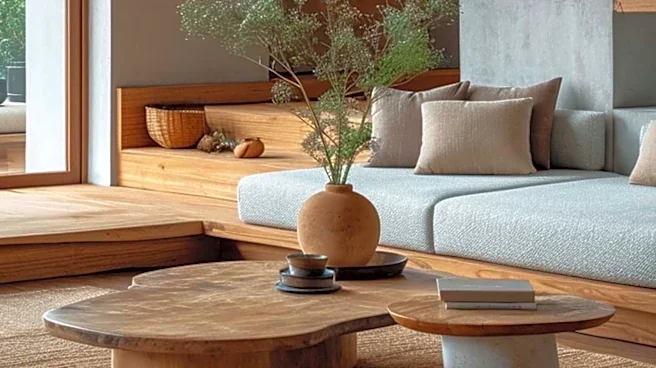
The Japandi style, a fusion of Japanese Zen minimalism and Scandinavian design, is gaining popularity for creating calming and aesthetically pleasing interior spaces, particularly in bedrooms and living areas. This design philosophy emphasizes neutral
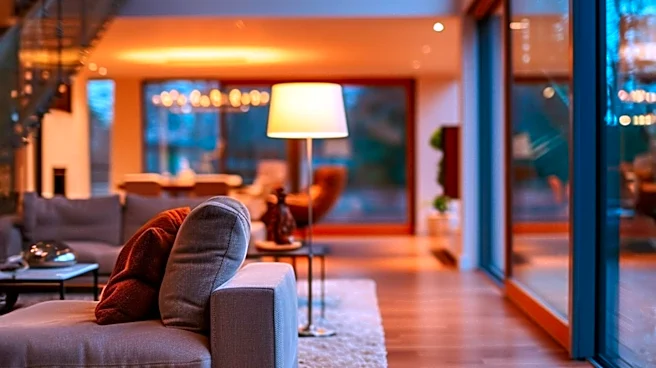
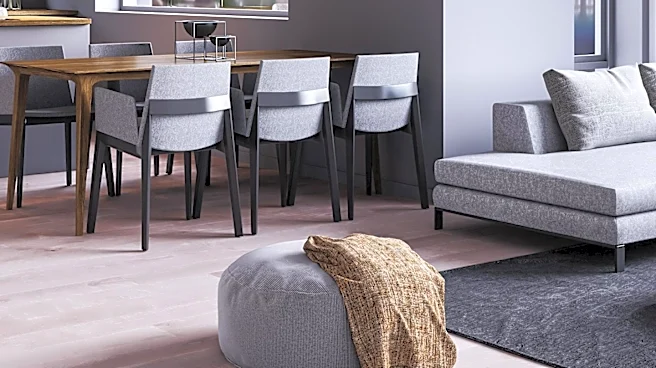
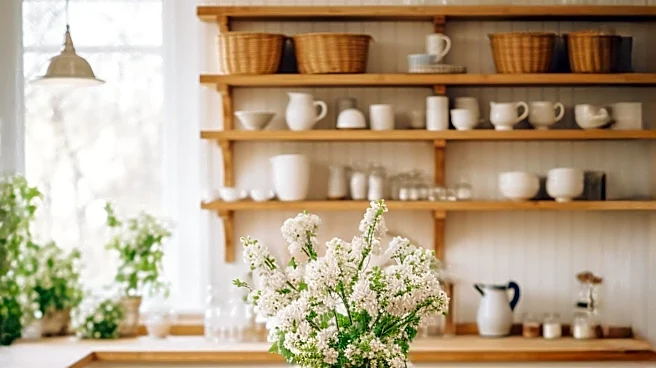
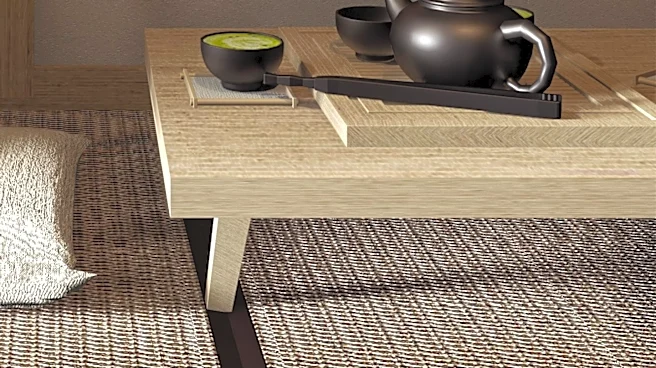
and earthy color palettes, including off-white, beige, sand, stone gray, and light brown, to foster a serene atmosphere. Key elements of Japandi design include solid wood furniture with clean, simple lines, prioritizing functionality while maintaining warmth. The style advocates for low-profile bed designs, which contribute to a more spacious and balanced feel in a room. It also incorporates natural textures like linen, cotton, and wool to add softness and comfort, favoring subtle patterns and solid colors. A core principle of Japandi is decluttering, focusing on keeping only essential and meaningful items to maintain a tranquil environment. The approach extends to lighting, recommending soft, layered illumination from various sources rather than a single bright overhead light, and encourages the use of natural light.
Why It's Important?
The rise of the Japandi style reflects a broader societal trend towards mindfulness, simplicity, and well-being in personal spaces. In an increasingly fast-paced and often chaotic world, individuals are seeking their homes to be sanctuaries of calm and order. This design trend offers a practical and aesthetically pleasing solution for achieving such an environment, impacting the interior design industry, furniture manufacturers, and home decor retailers. For consumers, adopting Japandi can lead to improved mental well-being through reduced visual clutter and a more harmonious living space. The emphasis on natural materials also aligns with growing environmental consciousness, potentially boosting demand for sustainable and ethically sourced home goods. Furthermore, the style's focus on functionality and durability over fleeting trends could influence purchasing habits, encouraging investment in quality pieces that last, thereby shifting market dynamics in the home furnishings sector.
What's Next?
As the Japandi style continues to gain traction, it is anticipated that more furniture and home decor brands will introduce collections specifically tailored to this aesthetic. We can expect to see an increase in products featuring light-colored woods, minimalist designs, and natural textiles. Interior designers and architects are likely to integrate Japandi principles into their projects, offering clients serene and functional living spaces. Educational content, such as online tutorials and design blogs, will likely proliferate, guiding individuals on how to implement Japandi elements in their homes. The style's influence may also extend beyond residential interiors, potentially appearing in commercial spaces like offices, hotels, and wellness centers seeking to create a calming ambiance. Furthermore, the integration of smart home technology that complements minimalist aesthetics, such as discreet lighting controls and hidden storage solutions, could become more prevalent, enhancing the functionality and simplicity central to Japandi design.
Beyond the Headlines
Beyond its aesthetic appeal, the Japandi style embodies a deeper philosophical shift towards intentional living and a rejection of excessive consumerism. It encourages individuals to critically evaluate their possessions and prioritize quality over quantity, fostering a more sustainable lifestyle. The blend of Japanese and Scandinavian philosophies highlights a cross-cultural appreciation for simplicity, craftsmanship, and connection to nature. This fusion suggests a global convergence in design principles that prioritize human well-being and environmental responsibility. The emphasis on natural light and materials can also have psychological benefits, promoting a sense of calm and reducing stress. In a broader cultural context, the popularity of Japandi could signify a collective yearning for authenticity and tranquility in an increasingly digital and complex world, influencing not just design choices but also broader lifestyle decisions related to consumption, mindfulness, and personal space.