





What's Happening?
Home automation technology is advancing to provide comprehensive control over various household systems, including lighting, heating, and entertainment. Devices like Home Assistant Green serve as central hubs, allowing users to manage all smart home devices
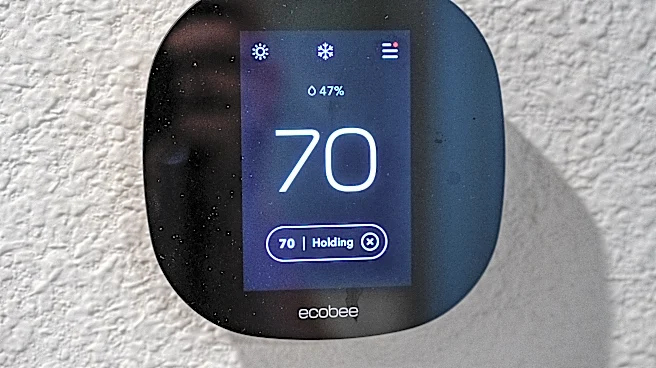
from a single platform. This integration enables automated tasks such as dimming lights when a movie starts, adjusting thermostats based on occupancy, or turning off heating when residents leave the house. These systems are designed to simplify daily routines and enhance convenience by making home environments more responsive to user needs. Furthermore, many home automation solutions emphasize energy efficiency, offering features to monitor and control energy usage, which can lead to reduced utility costs. The technology supports expandability through USB devices for additional connectivity options like Z-Wave, Zigbee, Thread, and Bluetooth, ensuring compatibility with a wide range of smart devices.
Why It's Important?
The increasing adoption of home automation systems signifies a shift towards more intelligent and interconnected living spaces in the U.S. This trend is important for several reasons, including enhanced energy conservation, improved home security, and greater convenience for homeowners. By automating climate control and lighting, households can significantly reduce their energy consumption and carbon footprint, contributing to broader environmental goals. The ability to monitor and control home systems remotely also offers peace of mind, allowing users to manage their homes even when away. For the technology industry, this represents a growing market for smart devices, hubs, and related services, fostering innovation and competition. Consumers stand to gain from more efficient, secure, and comfortable homes, while businesses in the home automation sector can expect continued growth and demand for integrated solutions.
What's Next?
The future of home automation is likely to see further integration with artificial intelligence and machine learning, enabling systems to learn user preferences and anticipate needs more effectively. We can expect continued development in interoperability standards, allowing devices from different manufacturers to communicate seamlessly. This will reduce complexity for consumers and expand the ecosystem of compatible products. The focus on energy efficiency will also intensify, with more sophisticated algorithms for optimizing energy use based on real-time data and predictive analytics. Additionally, the market may see an increase in specialized automation solutions tailored for specific needs, such as elder care or accessibility, further broadening the appeal and utility of smart home technology. As these systems become more commonplace, there will also be a growing emphasis on data privacy and security to protect sensitive household information.
Beyond the Headlines
Beyond the immediate benefits of convenience and energy savings, the widespread adoption of home automation could have deeper societal implications. It could redefine our relationship with our living spaces, transforming homes from static structures into dynamic, responsive environments. This shift might influence architectural design, promoting homes built with integrated smart technology from the ground up. There are also ethical considerations regarding data collection and privacy, as these systems gather extensive information about daily habits. Ensuring robust security measures and transparent data policies will be crucial to maintaining consumer trust. Furthermore, the accessibility of these technologies could create a digital divide, where those who can afford smart homes gain advantages in comfort and efficiency, while others are left behind. Addressing these disparities and ensuring equitable access to smart home benefits will be an important challenge.