









What's Happening?
The U.S. dollar traded around a 10-day low following a preliminary peace agreement between the U.S. and Iran, which has led to a drop in oil prices and increased demand for riskier assets. The agreement aims to end the conflict, lift the U.S. blockade
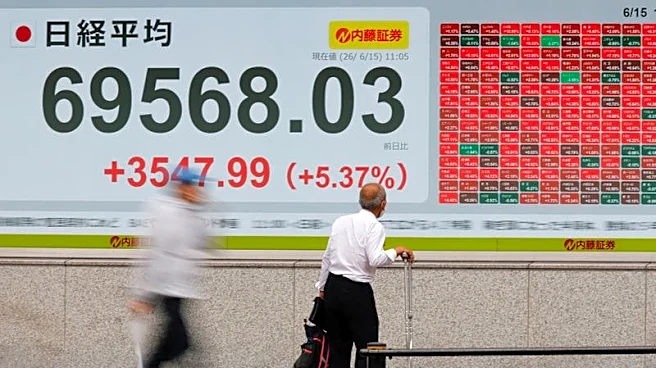
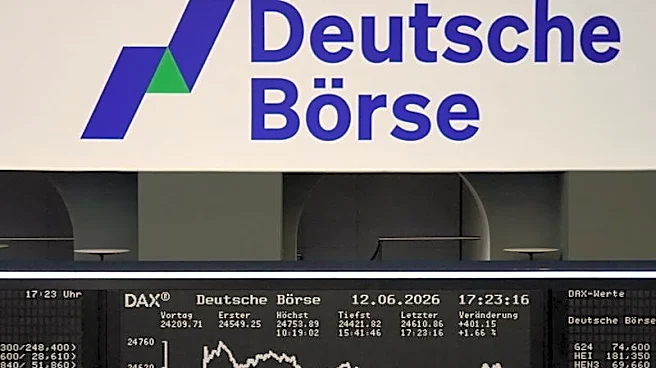
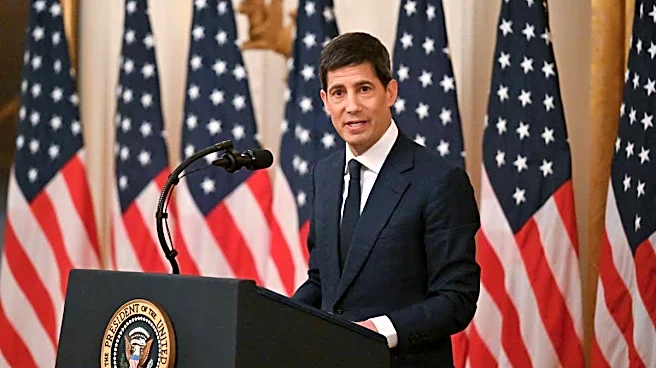
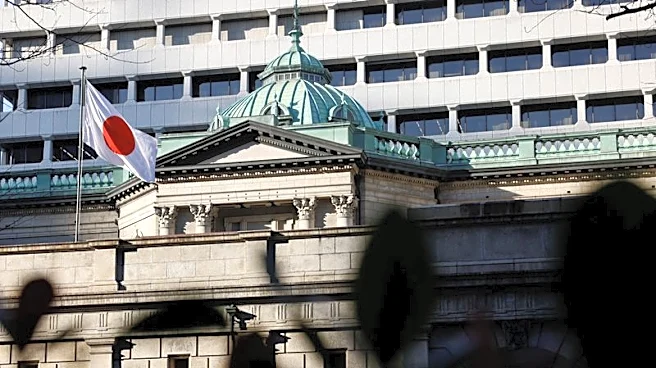
of Iran, and reopen the Strait of Hormuz. However, the deal's impact on Iran's nuclear program remains unresolved, leaving some market caution. Major central banks, including the Federal Reserve, Bank of Japan, and Bank of England, are set to announce rate decisions this week, with investors watching for any changes in monetary policy amid easing inflation concerns.
Why It's Important?
The peace deal between the U.S. and Iran is a significant geopolitical development that could stabilize oil markets and reduce inflationary pressures. The reopening of the Strait of Hormuz is vital for global oil supply, potentially easing energy market volatility. However, the unresolved nuclear issue poses a risk to the deal's durability. Central banks are closely monitoring these developments as they consider their monetary policy strategies. The Federal Reserve's decision will be particularly influential, as it could affect global economic conditions and investor sentiment.
What's Next?
The memorandum of understanding is set to be officially signed on Friday, which may provide further details on the agreement's terms. Central banks will announce their rate decisions this week, with the Federal Reserve's policy statement being highly anticipated. Investors will be watching for any indications of changes in monetary policy in response to the peace deal and its potential impact on inflation. The Bank of Japan is expected to raise rates, while the Reserve Bank of Australia and Bank of England are likely to hold steady.