



What's Happening?
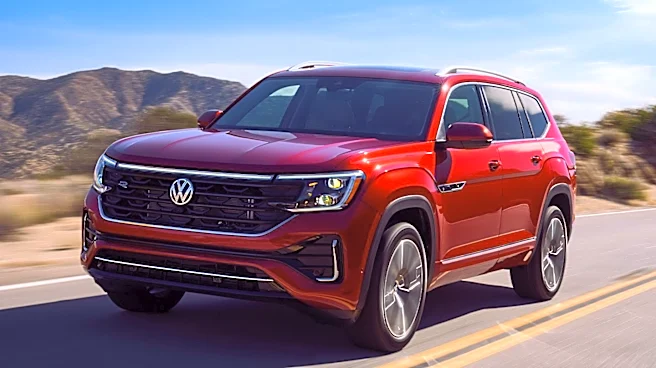
Volkswagen of America has commenced the assembly of its new 2027 Atlas family vehicles at its manufacturing facility in Chattanooga, Tennessee. This event marks a significant milestone for the brand's operations in the United States. Local government
officials, community representatives, and Volkswagen executives gathered to commemorate the occasion, including signing the commemorative hood of the first Atlas. The Atlas, a three-row SUV designed specifically for the North American market, has been a pivotal product for the Chattanooga plant since its introduction in December 2016. The initial investment for the facility's expansion to produce the Atlas was $900 million. The plant has since produced over one million Atlas units and its Atlas Cross Sport variant, establishing it as one of Volkswagen's best-selling models in the U.S. market. The new 2027 Atlas features a bolder design, advanced technology, and premium features, powered by a 2.0-liter EA888 evo5 turbocharged engine that produces 282 horsepower, offering improved efficiency compared to its predecessor. The Chattanooga plant employs over 4,000 individuals, whose expertise and dedication are central to the production process.
Why It's Important?
The start of assembly for the 2027 Atlas underscores Volkswagen's continued investment in U.S. manufacturing and its commitment to the American market. This move reinforces the Chattanooga plant's role as a crucial component of the company's growth strategy in North America. The production of a vehicle specifically tailored for American families highlights Volkswagen's responsiveness to regional consumer demands. The substantial investment and sustained production volume contribute significantly to the local economy in Chattanooga, Tennessee, through job creation and economic activity. The Atlas's success as a best-selling model in the U.S. market demonstrates the effectiveness of Volkswagen's strategy to localize production and design for specific markets. Furthermore, the introduction of a more powerful and efficient engine in the new Atlas reflects broader industry trends towards enhanced performance and environmental considerations, which can influence consumer preferences and competitive dynamics within the SUV segment in the U.S.
What's Next?
The production of the 2027 Atlas is expected to continue bolstering Volkswagen's market position in the U.S., particularly within the competitive SUV segment. The company will likely focus on marketing and distribution efforts to introduce the new model to consumers across the country. Given the Atlas's history as a best-seller, Volkswagen will aim to maintain or increase its sales volume, further solidifying its presence in the North American market. The ongoing operations at the Chattanooga plant will continue to provide employment and economic benefits to the region. Volkswagen's commitment to U.S. manufacturing may also lead to future investments or expansions, depending on market demand and the success of new models. The company's emphasis on advanced technology and improved efficiency in the new Atlas suggests a continued focus on innovation to meet evolving consumer expectations and regulatory standards.
Beyond the Headlines
The sustained investment by Volkswagen in its Chattanooga plant and the localized production of models like the Atlas reflect a broader trend of foreign automakers establishing significant manufacturing footprints in the U.S. This strategy not only helps companies mitigate tariffs and supply chain risks but also allows them to better understand and cater to the unique preferences of American consumers. The success of the Atlas, designed specifically for the North American market, highlights the importance of regionalized product development in the global automotive industry. This approach fosters a deeper integration of international companies into the U.S. economic fabric, creating jobs and transferring technological expertise. The long-term implications include a more diversified and resilient U.S. manufacturing sector, as well as increased competition and innovation within the domestic automotive market, ultimately benefiting consumers through a wider array of choices and advanced vehicle technologies.