




What's Happening?
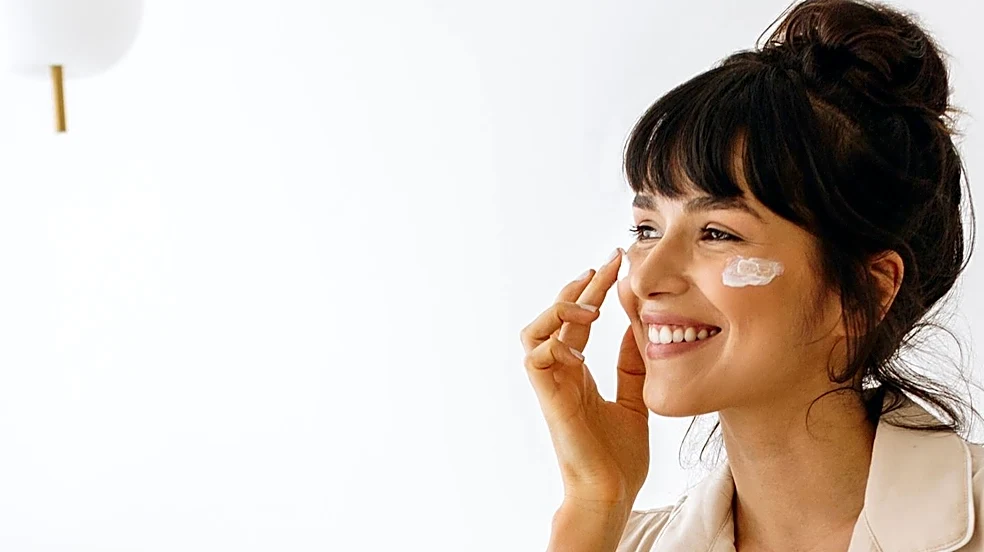
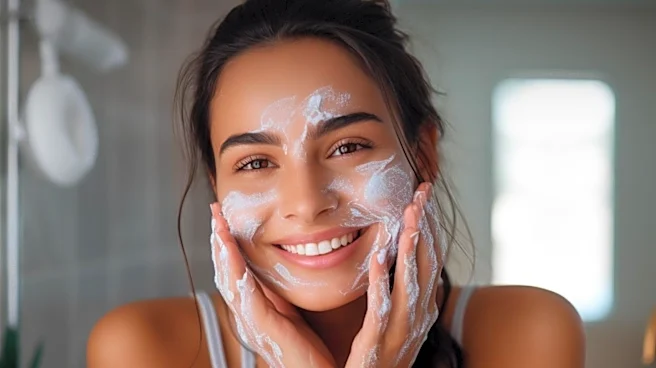
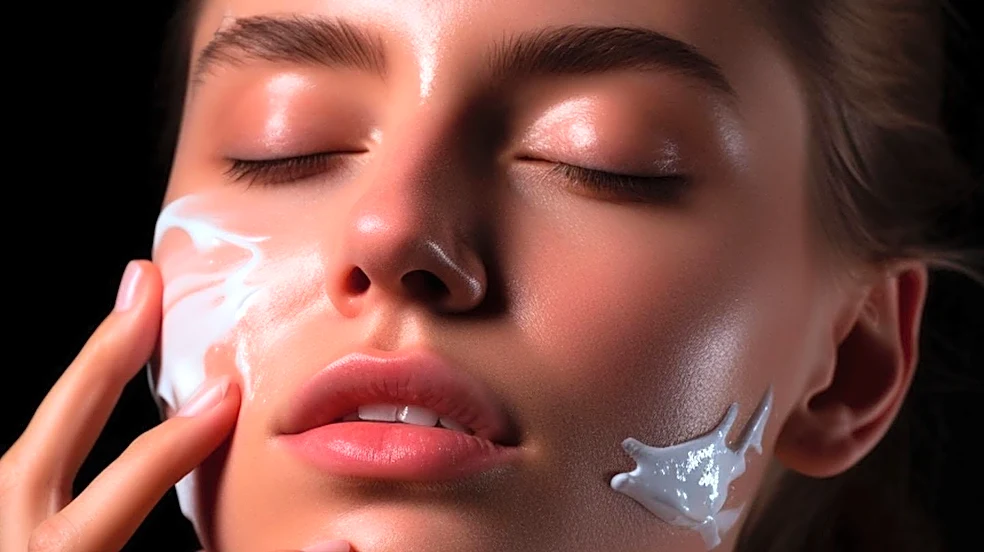
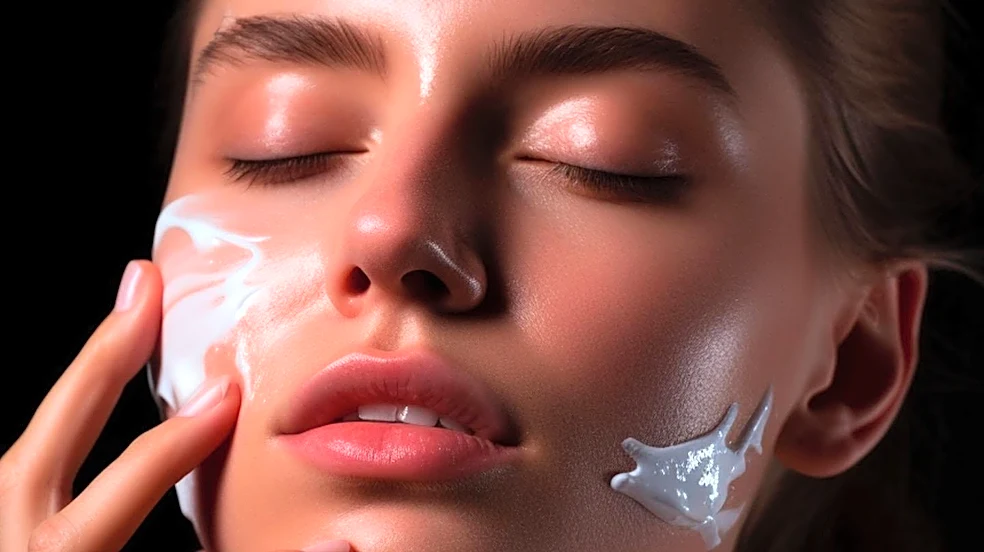
Achieving 'glass skin,' a cosmetic look characterized by smooth, even-toned, and well-hydrated skin that reflects light, primarily involves consistent hydration and protection of the outer skin layer. Experts recommend a simple routine: gentle cleansing
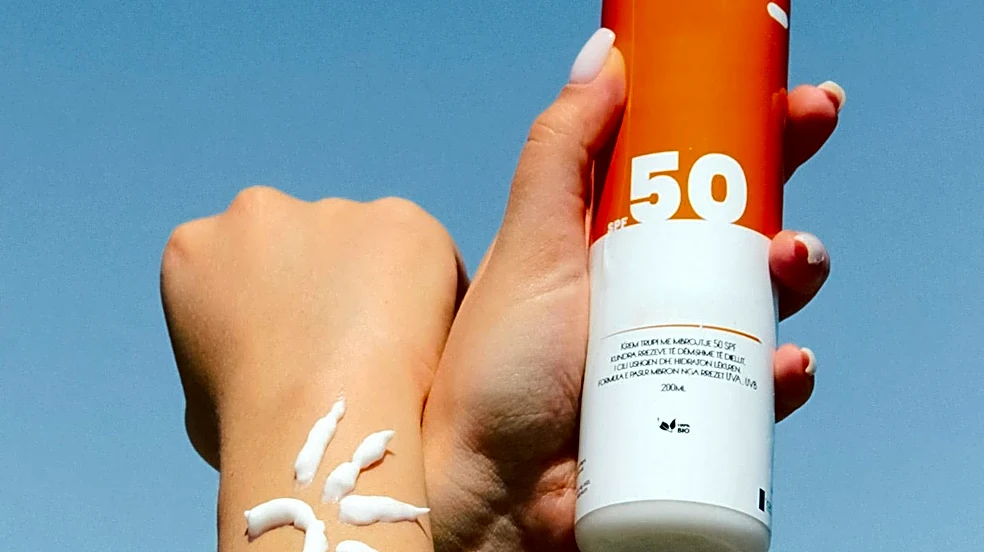
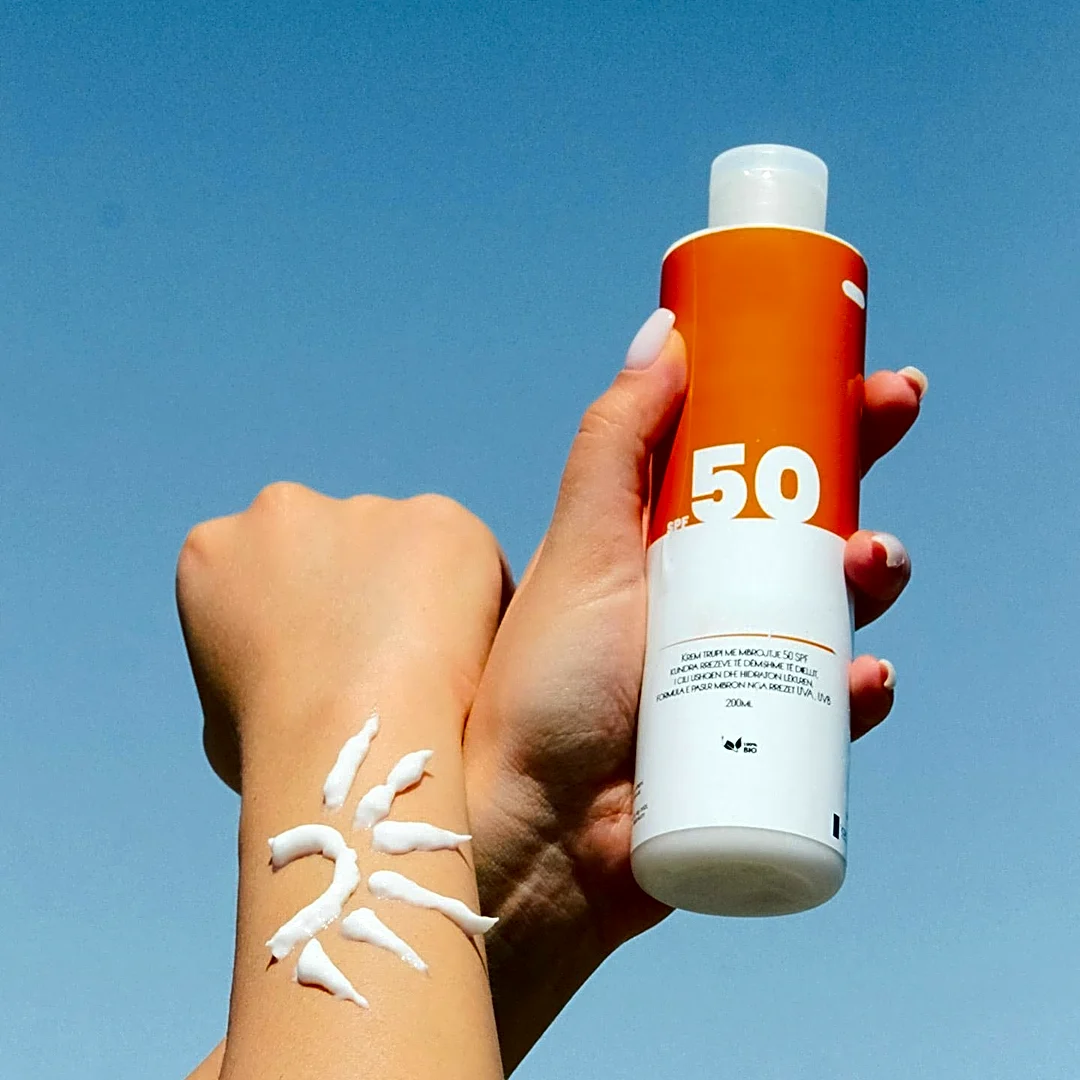
with lukewarm water and a mild, low-foam cleanser, followed by applying one humectant serum to damp skin, sealing it with a moisturizer suited to one's skin type, and daily use of broad-spectrum sunscreen. This approach emphasizes established moisturizer science, where humectants draw water into the outer skin layer and occlusives slow its loss. Results are temporary and vary with skin type, with no routine capable of transforming skin in seven days, as cell turnover takes approximately 28 days. Genetics, lighting, and makeup significantly contribute to the 'glass skin' finish often seen online.
Why It's Important?
The emphasis on a realistic and evidence-based approach to 'glass skin' is crucial for public understanding of skincare. Many viral trends promote multi-product routines and rapid transformations that lack scientific backing and can potentially harm the skin barrier. By clarifying that 'glass skin' is a condition to be maintained rather than a permanent result, and that its achievement relies on fundamental skincare principles, consumers can make more informed decisions. This guidance helps to demystify complex skincare routines, reducing the likelihood of irritation from excessive product use or aggressive treatments. Understanding the temporary nature of hydration and the role of genetics, lighting, and makeup in achieving the 'glass skin' look can set realistic expectations and prevent disappointment or unnecessary expenditure on ineffective products. It also highlights the importance of sun protection as a key component of long-term skin health and appearance.
What's Next?
The ongoing conversation around 'glass skin' will likely continue to shift towards more scientifically supported and gentle skincare practices. Consumers will be encouraged to prioritize consistency and simplicity over complex, multi-step routines. Skincare brands may adapt their marketing to align more closely with dermatological advice, emphasizing the benefits of core ingredients like humectants, emollients, and occlusives, and promoting realistic timelines for results. Educational content from dermatologists and reputable sources will play a vital role in counteracting misinformation and guiding individuals toward effective and safe skincare habits. There may also be a greater focus on personalized skincare, acknowledging that results vary based on individual skin types and genetic predispositions, moving away from a one-size-fits-all approach.
Beyond the Headlines
The 'glass skin' trend, while seemingly superficial, touches upon deeper aspects of self-care and the pursuit of well-being. The desire for clear, radiant skin often reflects a broader aspiration for health and vitality. However, the commercialization of such trends can lead to unrealistic expectations and a cycle of product consumption driven by fleeting fads. By advocating for a minimalist, evidence-based approach, the discussion moves beyond mere aesthetics to promote genuine skin health. This shift encourages individuals to develop a more mindful relationship with their skin, understanding its biological processes and respecting its natural limits. It also challenges the pervasive influence of social media on beauty standards, fostering a more critical perspective on viral content and promoting a return to foundational skincare practices that prioritize long-term skin integrity and resilience.