





What's Happening?
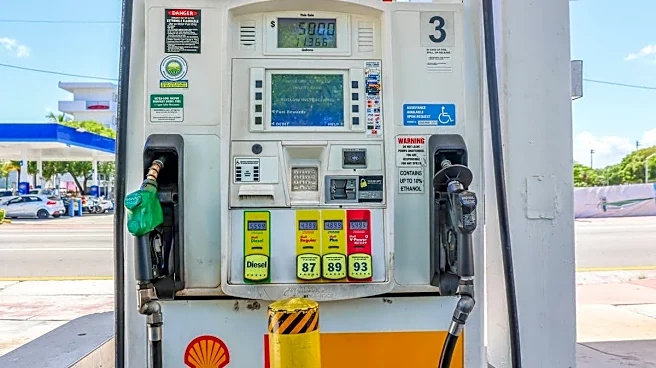
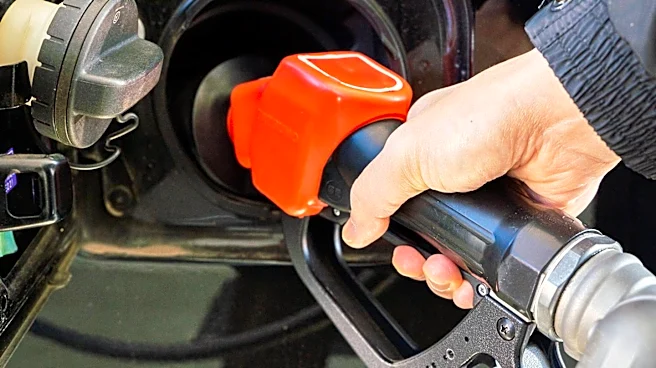
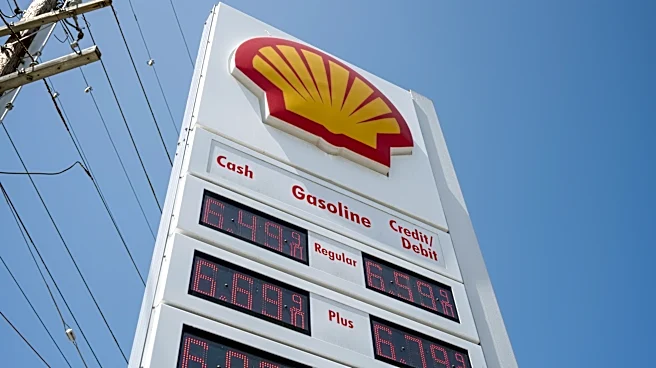
Gasoline retailers across the United States have reduced prices by 23 cents per gallon over the past two weeks, according to the latest Lundberg Survey of U.S. fuel markets. This price reduction follows a previous decline of 34 cents over three weeks, totaling
a 58-cent drop. The national average retail price for regular grade gasoline now stands at $4.01 per gallon. The decrease in prices is attributed to falling wholesale gasoline prices, which are influenced by lower crude oil costs. The survey indicates that unbranded rack prices have decreased by more than 23 cents per gallon, while branded rack prices have seen a nearly 22-cent decline. The most significant price cuts occurred in the Petroleum Administration for Defense District (PADD) 2, where unbranded regular grade prices fell by 32.12 cents per gallon. The Midwest region now averages $2.6603 for unbranded regular gasoline. Despite the price cuts, retail gasoline margins have contracted by 8.6 cents, averaging 39.6 cents per gallon.
Why It's Important?
The reduction in gasoline prices is significant for U.S. consumers, particularly as the country approaches the Fourth of July holiday, a peak travel period. Lower gasoline prices can alleviate financial pressure on households and potentially increase consumer spending in other areas. The decline in prices also reflects improved supply conditions, as refiners have increased their capacity use to 96.1%, and gasoline stocks have risen slightly. However, the contraction in retail margins suggests that retailers are absorbing some of the cost reductions, which could impact their profitability. The ongoing decrease in demand due to previously high prices may further influence market dynamics, potentially leading to continued price adjustments.
What's Next?
If crude oil prices remain low, further reductions in gasoline prices could occur, providing additional relief to consumers. Retailers may continue to adjust prices in response to changes in wholesale costs and consumer demand. The upcoming holiday travel period will be a critical test of how these price changes affect consumer behavior. Additionally, any geopolitical developments or changes in oil production could impact future price trends. Stakeholders, including retailers and consumers, will need to monitor these factors closely to anticipate further market shifts.