







What's Happening?
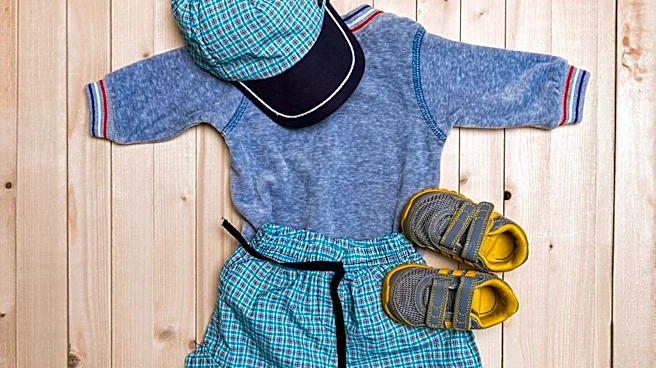
The market for eco-friendly kids' blank apparel is growing, offering sustainable alternatives to traditional clothing. Brands like Transfer Kingdom are highlighting options such as the Youth Softstyle Midweight Hooded Sweatshirt - SF500B, which is made
from an 80/20 ring-spun cotton/polyester blend, aiming to be both sustainable and affordable. This trend addresses concerns about the fashion industry's environmental impact, which generates over 92 million tons of waste annually. Parents are increasingly encouraged to choose clothing made from sustainable materials like organic cotton, recycled polyester, and bamboo, which are gentler on the planet and reduce exposure to harmful chemicals. The industry is seeing a shift towards making eco-friendly options more accessible and stylish, challenging previous perceptions that sustainable clothing was either too expensive, lacked style, or was difficult to find. Many sustainable options are now priced competitively, often within 10-15% of standard options, especially when purchased directly from green brands or in bulk.
Why It's Important?
This shift in the kids' apparel market is important for several reasons. Environmentally, it contributes to reducing the massive waste generated by the fashion industry and promotes the use of materials with a lower carbon footprint. By choosing organic cotton, recycled polyester, and bamboo, consumers can help decrease pesticide use, water consumption, and landfill waste. Socially, it encourages ethical manufacturing and transparent supply chains, potentially improving labor conditions and environmental practices within the industry. For consumers, it means more choices for durable, comfortable, and stylish clothing that aligns with eco-conscious values without necessarily incurring a significant price premium. This trend also educates parents and children about sustainability, fostering eco-conscious habits from an early age. The increased availability and affordability of these products make sustainable living more attainable for a broader demographic, moving it from a niche market to a mainstream option.
What's Next?
The expansion of eco-friendly kids' apparel is expected to continue, with more brands adopting sustainable practices and materials. Consumers can anticipate a wider variety of stylish and affordable options becoming available in both online and brick-and-mortar stores. The industry will likely see further innovation in sustainable fabrics, potentially including more widespread use of biodegradable fibers and advanced recycling technologies. Retailers are expected to increase their stock of eco-friendly sections as consumer demand grows, making it easier for parents to find and purchase these items. Community groups and social media platforms focused on eco-conscious parenting will likely play a larger role in sharing tips and sources for sustainable clothing. This ongoing trend suggests a future where sustainable kids' apparel is not just an alternative but a standard offering, further integrating environmental responsibility into everyday consumer choices.
Beyond the Headlines
Beyond the immediate benefits of reduced waste and chemical exposure, the rise of eco-friendly kids' apparel signifies a broader cultural shift towards conscious consumerism. It highlights a growing awareness among parents about the long-term environmental and health impacts of their purchasing decisions. This movement challenges the fast fashion model by emphasizing durability, ethical production, and the use of natural or recycled materials. The focus on affordability and style in sustainable clothing also addresses a critical barrier to adoption, making eco-conscious choices more inclusive. This trend could lead to a re-evaluation of industry standards, pushing more manufacturers to prioritize sustainability across their product lines, not just in niche segments. Ultimately, it contributes to normalizing sustainable practices, potentially influencing other sectors and fostering a generation that is more attuned to environmental stewardship and responsible consumption.