



What's Happening?
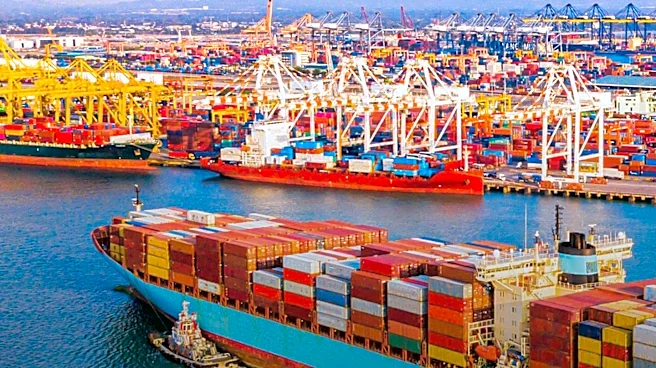
The World Trade Organization (WTO), established on January 1, 1995, governs international trade through a series of multilateral agreements and trade disciplines. These agreements set common rules for global business activities, encompassing trade in goods,
services, intellectual property rights, agriculture, and investment-related measures. Key agreements include the General Agreement on Tariffs and Trade (GATT 1994) for goods, the General Agreement on Trade in Services (GATS), and the Trade-Related Aspects of Intellectual Property Rights (TRIPS) Agreement. The Agreement on Agriculture (AoA) regulates agricultural trade, while the Agreement on Trade-Related Investment Measures (TRIMs) addresses investment policies affecting trade. Additionally, the Agreement on Technical Barriers to Trade (TBT) and the Agreement on Sanitary and Phytosanitary Measures (SPS) ensure that regulations do not create unnecessary trade obstacles. WTO Trade Disciplines cover tariff commitments, subsidies, anti-dumping measures, and transparency, aiming to prevent unfair practices. The Dispute Settlement Understanding (DSU) provides a mechanism for resolving trade disagreements among member countries, promoting peaceful solutions and accountability.
Why It's Important?
The WTO's framework of agreements and disciplines is crucial for the U.S. economy and its trading partners by fostering a stable and predictable international trading system. For U.S. businesses, these rules facilitate market access, reduce trade barriers, and protect intellectual property rights globally, encouraging innovation and international competition. The dispute settlement mechanism offers a structured way to resolve trade conflicts, providing a level playing field and reducing uncertainty for American companies operating abroad. Without these multilateral agreements, U.S. exporters could face a patchwork of inconsistent national regulations, higher tariffs, and increased non-tariff barriers, making international trade more complex and costly. The protection of intellectual property under TRIPS, for instance, is vital for U.S. industries reliant on patents, copyrights, and trademarks, safeguarding their investments in research and development. The system also aims to prevent unfair trade practices, which can harm domestic industries and jobs if not addressed through agreed-upon disciplines.
What's Next?
The ongoing evolution and enforcement of WTO agreements will continue to shape global trade dynamics. Future discussions may focus on adapting existing rules to new economic realities, such as digital trade and environmental sustainability, or addressing challenges related to the implementation of current agreements. The effectiveness of the Dispute Settlement Understanding will remain a critical aspect, with ongoing efforts to ensure its efficiency and impartiality. Member countries, including the U.S., will likely continue to engage in negotiations to refine trade disciplines and address emerging trade issues. The ability of the WTO to adapt and maintain its relevance in a changing global economic landscape will determine its future impact on international commerce and the U.S.'s role within it.
Beyond the Headlines
Beyond the immediate economic implications, the WTO's multilateral framework embodies a broader commitment to international cooperation and rule-based order. The principles of non-discrimination and transparency embedded in these agreements reflect a global effort to move away from protectionist policies that can lead to trade wars and economic instability. The existence of a forum for resolving trade disputes, even with its challenges, underscores the importance of diplomacy and legal mechanisms over unilateral actions. The ongoing debates within the WTO about issues like agricultural subsidies or intellectual property flexibilities highlight the complex balance between national interests and global welfare. The success or failure of these multilateral efforts can influence geopolitical stability, as economic interdependence often fosters diplomatic engagement and reduces the likelihood of conflict.