







What's Happening?
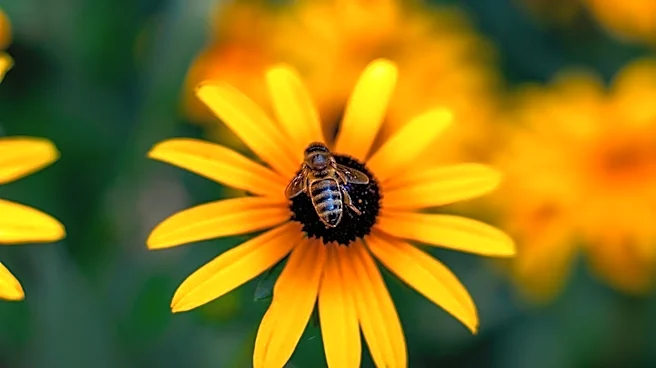
August is an opportune time for U.S. gardeners to plant self-seeding native flowers to support pollinators. Species such as bee balm (monarda), blue vervain (verbena hastata), tickseed (coreopsis), coneflower (echinacea), black-eyed Susan (rudbeckia),
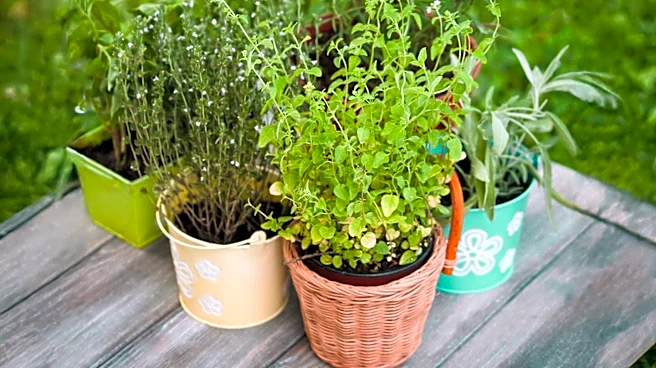
milkweed, and goldenrod (solidago) are recommended for late summer planting. These plants, once established, will naturally reseed, creating a continuous food source for bees, butterflies, and hummingbirds season after season. Many of these native flowers are drought-tolerant and can thrive in various conditions, from sunny spots to moist areas, making them versatile additions to garden beds or containers. Leaving spent flower heads on these plants not only allows for self-seeding but also provides food for birds through late fall and winter, contributing to a more robust and biodiverse garden ecosystem.
Why It's Important?
The strategic planting of self-seeding native flowers in August is crucial for bolstering pollinator populations across the U.S., which are vital for agricultural productivity and ecosystem health. By providing continuous food sources, gardeners contribute to the survival and thriving of bees, butterflies, and other beneficial insects, many of which face declining numbers due to habitat loss and pesticide use. This initiative also promotes biodiversity in urban and suburban landscapes, transforming private gardens into essential ecological corridors. The low-maintenance nature of self-seeding plants makes sustainable gardening more accessible to a wider audience, encouraging more individuals to participate in conservation efforts. Furthermore, supporting pollinators has direct economic benefits for the agricultural sector, as these insects are responsible for pollinating a significant portion of food crops.
What's Next?
Gardeners are encouraged to research native plant varieties suitable for their specific USDA hardiness zones and local ecosystems. Seed companies and nurseries may see increased demand for native flower seeds and plants in late summer, potentially leading to more diverse offerings. Educational campaigns from horticultural organizations and environmental groups will likely continue to promote the benefits of native plants and self-seeding strategies for pollinator support. Communities might also see an increase in local initiatives focused on creating pollinator-friendly habitats in public spaces. The long-term impact could include a noticeable recovery in local pollinator populations and a greater appreciation for ecological gardening practices among the general public.
Beyond the Headlines
Beyond the immediate ecological benefits, the trend of planting self-seeding native flowers in August reflects a deeper societal shift towards environmental consciousness and a desire for sustainable living. It highlights a growing understanding of the interconnectedness of ecosystems and the role individuals play in supporting biodiversity. This movement also fosters a sense of community among gardeners who share knowledge and resources to create more resilient local environments. Culturally, it re-establishes a connection with nature, promoting outdoor activity and an appreciation for the natural cycles of growth and renewal. The emphasis on native plants also subtly challenges traditional aesthetic preferences in gardening, encouraging a move towards landscapes that are not only beautiful but also ecologically functional and supportive of local wildlife.