


What's Happening?
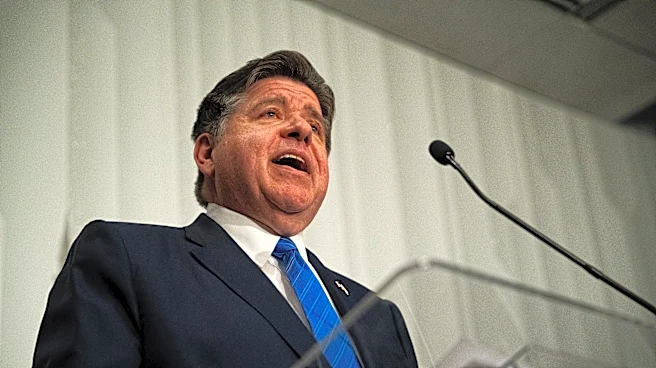
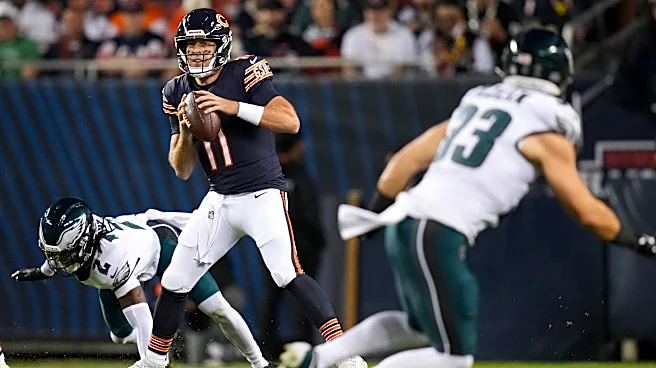
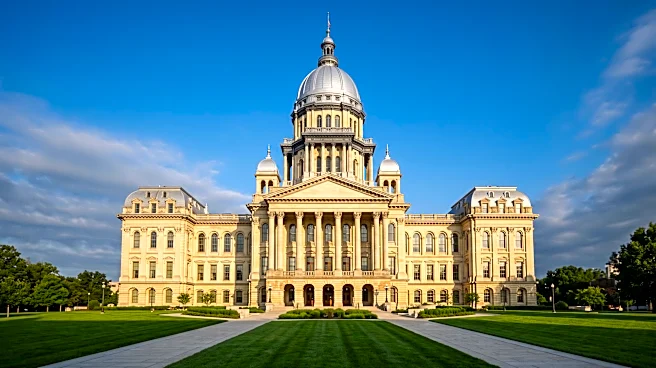
Illinois Governor J.B. Pritzker and state legislative leaders recently met with NFL Commissioner Roger Goodell and Chicago Bears minority owner Pat Ryan to discuss efforts to keep the team in Illinois. This meeting occurred despite previous statements
from Bears Chairman George McCaskey and President and CEO Kevin Warren indicating the team's primary focus on building a new stadium in Hammond, Indiana. McCaskey and Warren were notably absent from the meeting. The discussions follow a period where communication between the Bears' leadership and Illinois lawmakers was described as 'minimal.' The General Assembly previously failed to advance legislation that would provide property tax incentives for the Bears to develop a stadium at the former Arlington International Racecourse site in Arlington Heights. In contrast, Indiana's legislature passed a bill earlier this year to incentivize a potential Bears move to the state. The Bears have been conducting due diligence on two sites in Hammond, Indiana: the Lost Marsh Golf Course and the Wolf Lake Terminals, with the Lost Marsh location deemed viable for construction.
Why It's Important?
The ongoing negotiations for a new Chicago Bears stadium carry significant economic and political implications for both Illinois and Indiana. For Illinois, retaining the Bears means preserving a major economic driver, including jobs, tourism, and tax revenue associated with game days and potential ancillary developments. The potential loss of the team to Indiana would represent a substantial blow to the state's prestige and economy. For Indiana, securing the Bears would be a significant economic boon, attracting investment, creating jobs, and boosting the profile of Hammond. The situation highlights the intense competition between states for major sports franchises, often involving substantial public incentives. The absence of McCaskey and Warren from the recent meeting with Illinois officials suggests a potential disconnect or a strategic move by the team's primary decision-makers, further complicating Illinois's efforts to retain the franchise. The outcome will impact local businesses, taxpayers, and the regional identity tied to the team.
What's Next?
The immediate next steps involve continued discussions between the Chicago Bears, Illinois state officials, and potentially Indiana representatives. The Illinois General Assembly is scheduled to meet for a few days in the coming months, and it remains unclear if new legislation regarding the Bears stadium will be introduced or advanced. Governor Pritzker's office has expressed hope that the meeting with Commissioner Goodell signifies a renewed opportunity to keep the Bears in Illinois. Meanwhile, the Bears continue their due diligence on the Indiana sites, with the possibility of merging the two considered locations in Hammond. Arlington Heights officials, who previously saw their stadium development plans stall, remain 'encouraged' by the renewed dialogue and continue to advocate for their site. The coming weeks and months will likely see further negotiations and potential legislative actions as both states vie for the team's future home.
Beyond the Headlines
This stadium saga extends beyond mere sports and economics, touching upon regional identity, political leverage, and the evolving landscape of public funding for private sports enterprises. The reluctance of some Chicago lawmakers to support the team's departure from the city, coupled with the struggle to pass incentive legislation, underscores a broader debate about the appropriate use of taxpayer money for professional sports facilities. The situation also highlights the power dynamics between sports franchises, state governments, and local communities. The Bears' strategic engagement with Indiana while maintaining some communication with Illinois creates a competitive environment that could lead to more favorable terms for the team, regardless of the final location. This scenario could set a precedent for how other major sports teams negotiate their future facilities, potentially increasing the pressure on states to offer significant incentives to retain or attract franchises.